Diving into the world of Andy Warhol is like stepping into a dazzling electric dream, where soup cans become icons and every face is a superstar. His art, with its bold colours and cheeky repetitions, turned the mundane into magic.
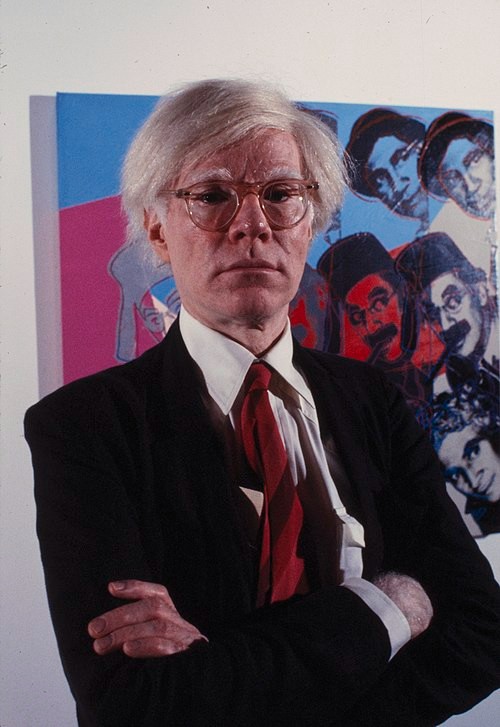
Andy Warhol at the Jewish Museum by Bernard Gotfryd
I can’t help but smile when imagining him in his silver Factory, surrounded by misfits and muses, orchestrating this wild and vibrant chaos. It’s like he saw the future, our obsession with fame, brands, and images, and decided to splash it across his canvas with a mischievous giggle.
As we celebrate his birthday on 6 August 1928, let’s step into the wild and pulsating world of Warhol’s “Exploding Plastic Inevitable,” a dazzling 1960s spectacle. It featured music by the Velvet Underground, hypnotic films, frenetic dances and mimes all colliding into a multimedia experience.
Andy Warhol – Exploding Plastic Inevitable (High quality)
Warhol Appassionata
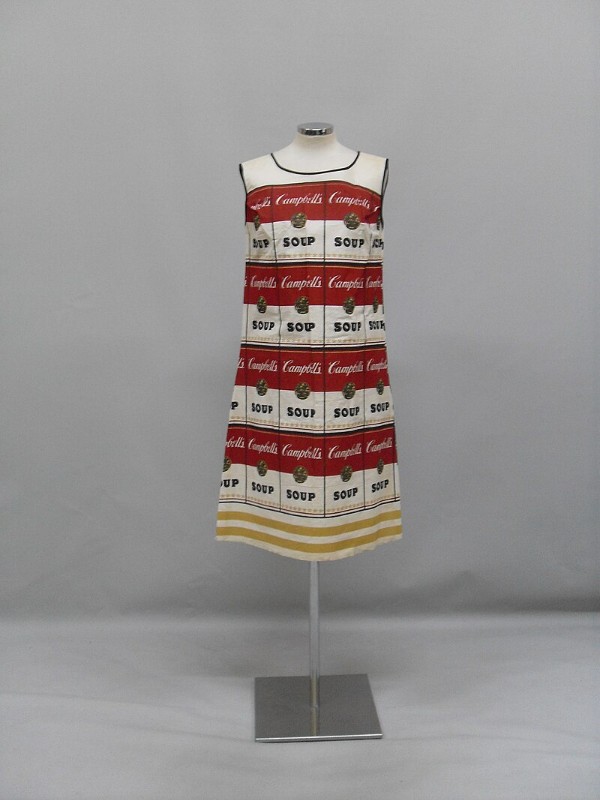
“Souper Dress”. American paper dress, 1967, based on Andy Warhol’s Campbell’s soup paintings
The 1960s, with its tie-dye dreams and analogue vibes, feels like an eternity away from our hyper-connected, AI-driven world. Yet, Andy Warhol still fascinates, just ask the prolific New York composer David Winkler.
Composed for and first performed by the Verdehr Trio, the title Warhol Appassionata is an explicit nod to the world of the iconic pop artist. To be sure, Winkler, as did Warhol, often juxtaposed the mundane with the profound.
The title opens a fascinating door to a potential juxtaposition, weaving together the modern pop-art world of Andy Warhol with the emotional intensity found in Beethoven’s “Appassionata.” There are no musical quotations from Beethoven, but this piano trio suggests a deliberate interplay between these two cultural titans.
David Winkler: Warhol Appassionata (Verdehr Trio, Ensemble)
Perruqueries
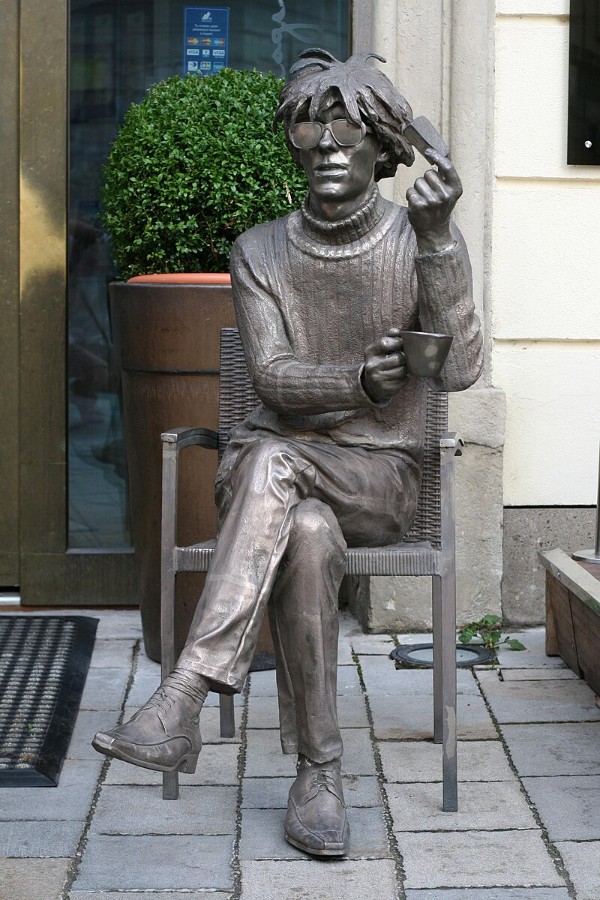
Bronzed statue of Andy Warhol in Bratislava, Slovakia
This funny little title actually refers to the craft of creating, styling, or selling wigs. It is also the title of a composition by award-nominated composer Jocelyn Morlock. Her music is hailed as being “airy but rhythmic, tuneful but complex, and of toothsome beauty.”
Morlock writes that “much of her music has been inspired by birds, insomnia, or a peculiar combination thereof.” And in Perrugueries, she composed six whimsical songs about wigs and people who love them.
Some of the texts by Bill Richardson concern historical figures, including “Andy Warhol.” The music explores Warhol’s association with wigs as a symbol of his constructed identity, reflecting his fascination with surface-level image and celebrity culture. And it is all happening within the context of a hazardous book-signing.
Jocelyn Morlock: Perruqueries – Andy Warhol (Robyn Driedger-Klassen, soprano; Erika Switzer, piano)
Warhol in Springtime
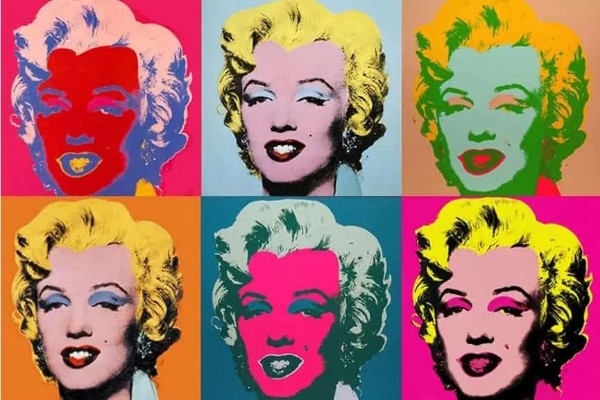
Andy Warhol: Marilyn Monroe (Marilyn)
For another work with “Warhol” in the title, let’s turn to Jorge Grundman, a Spanish multifaceted figure in the world of music. He is known for his work as a classical composer, musicologist, musician, and professor. He often avoids avant-garde complexity in favour of consonant, sentimental melodies. In a word, he aims to connect with listeners and performers alike.
Grundman prefers the term “music writer” over “composer,” suggesting a focus on storytelling through music. His Warhol music was commissioned for an International Music Festival in Toledo and dedicated to Nikolai Kapustin.
Luckily, Grundman told us exactly what he had in mine. “It is literally a musical collage, just like the famous pictures of Marilyn or of Campbell Soup cans. The same idea repeated, but in different tonalities. The word “Spring” refers to the trills which appear throughout the work.”
It’s very interesting that Grundman included no dynamic indications in the score, so both players can present it as they feel it. Every time it is performed, it is a new piece.
Jorge Grundman: Warhol in Springtime, Op. 18a (Vicente Cueva, violin; Daniel Del Pino, piano)
Andy Warhol Sez
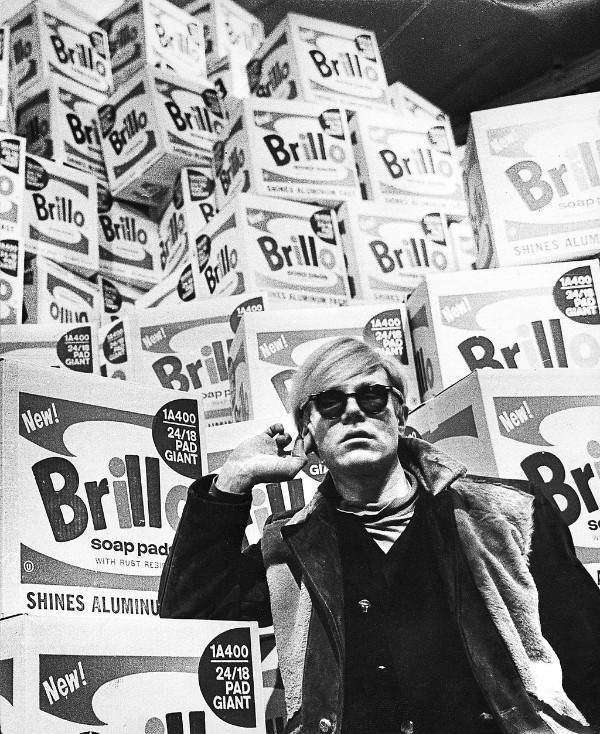
Andy Warhol in Stockholm in 1968
The vibrant chamber work Andy Warhol Sez by Paul Moravec was composed in 2005, and it captures the enigmatic essence of Andy Warhol through a playful musical lens. The piece features Moravec’s signature “new tonalist style.” That is, music of a melodic, energetic style that is rooted in Western tonal tradition, but is unafraid to flirt with contemporary quirks.
The title likely draws on Warhol’s famous aphorisms, like “In the future, everyone will be world-famous for 15 minutes,” and the music mirrors the pop artist’s blend of surface-level wit and deeper commentary. The theatrical flair suggests a musical portrait of Warhol’s persona, at once cool, ironic, yet endlessly fascinating.
Andy Warhol Sez is a snapshot of Warhol’s cultural impact, its playful title and vivid instrumentation inviting listeners to hear the artist’s voice through Moravec’s musical brushstrokes.
Andy Warhol revolutionised art with his bold pop-art aesthetic, transforming everyday imagery into iconic cultural statements. His legacy endures in the vibrant interplay of fame, consumerism, and creativity, and also inspires countless artists and musicians.
For more of the best in classical music, sign up for our E-Newsletter
Paul Moravec: Andy Warhol Sez (version for bassoon and piano) (Peter Kolkay, bassoon; Alexandra Nguyen, piano)