
In Haruki Murakami’s many novels, there are always a number of references that will appear: Cats, Ears, Hokkaido, Wells or Deep Holes, Jazz, Classical Music, and so on. In his latest novel, Killing Commendatore, we have music in the very
Miscellaneous
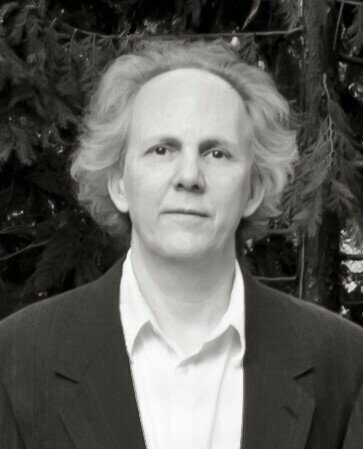
Steven Malinowski got frustrated at reading a complicated score and decided to animate it, and thus, the Music Animation Machine was born. Its first life was last century – way back in the mid-1970s… a time before personal computers, before
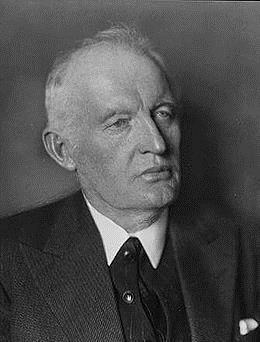
A recent exhibition at the Museum of Fine Arts in Richmond, Virginia ‘Jasper Johns and Edvard Munch: Love, Loss, and the Cycle of Life’ brought together works of the two painters, the Abstract Expressionist Jasper Johns (1930-) and the Norwegian
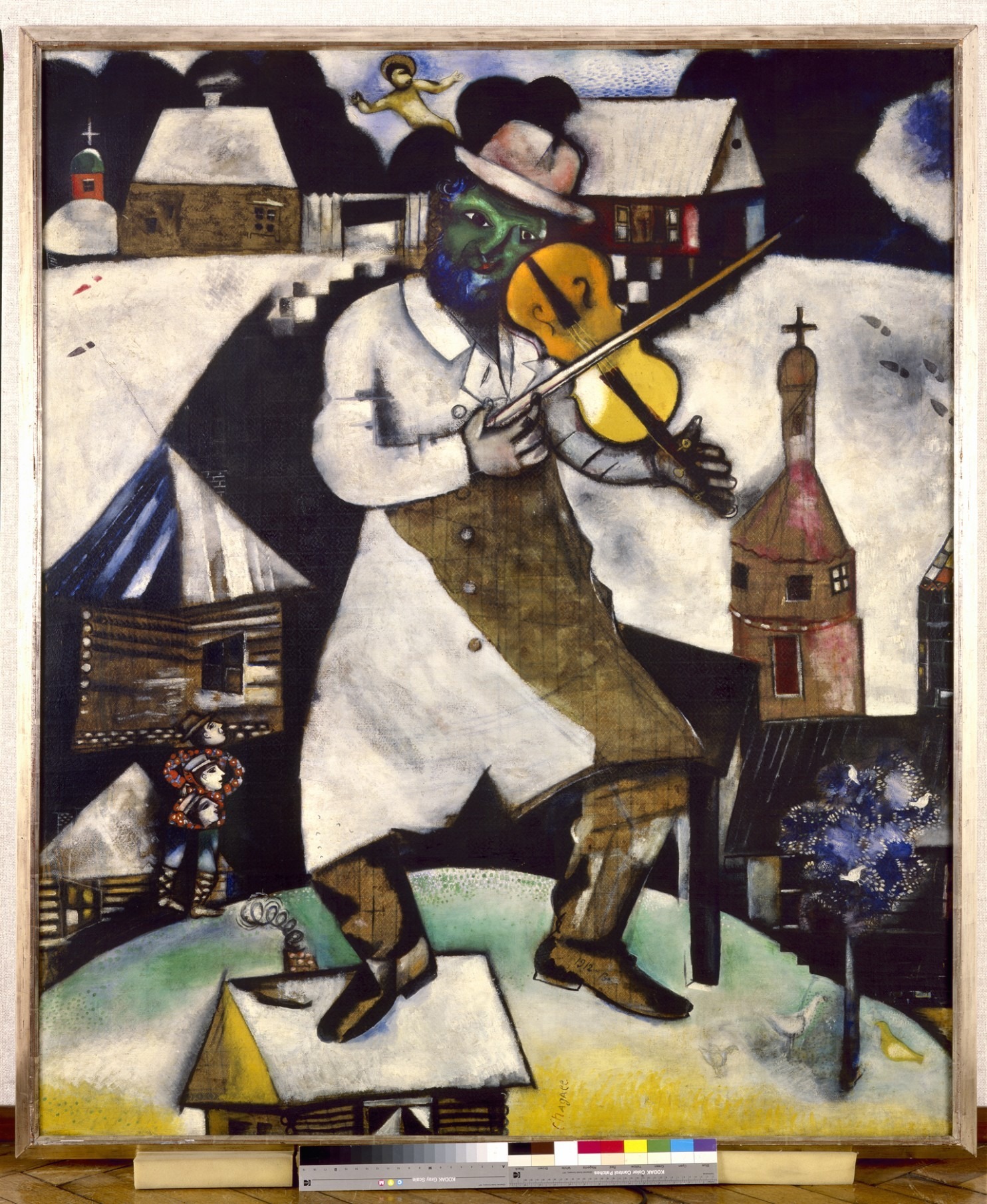
When we think of Marc Chagall and opera, we think first of the wonderful murals he created for the Metropolitan Opera in New York and the Paris Opera. Born in Russia in 1887, Chagall was largely self-taught due to the
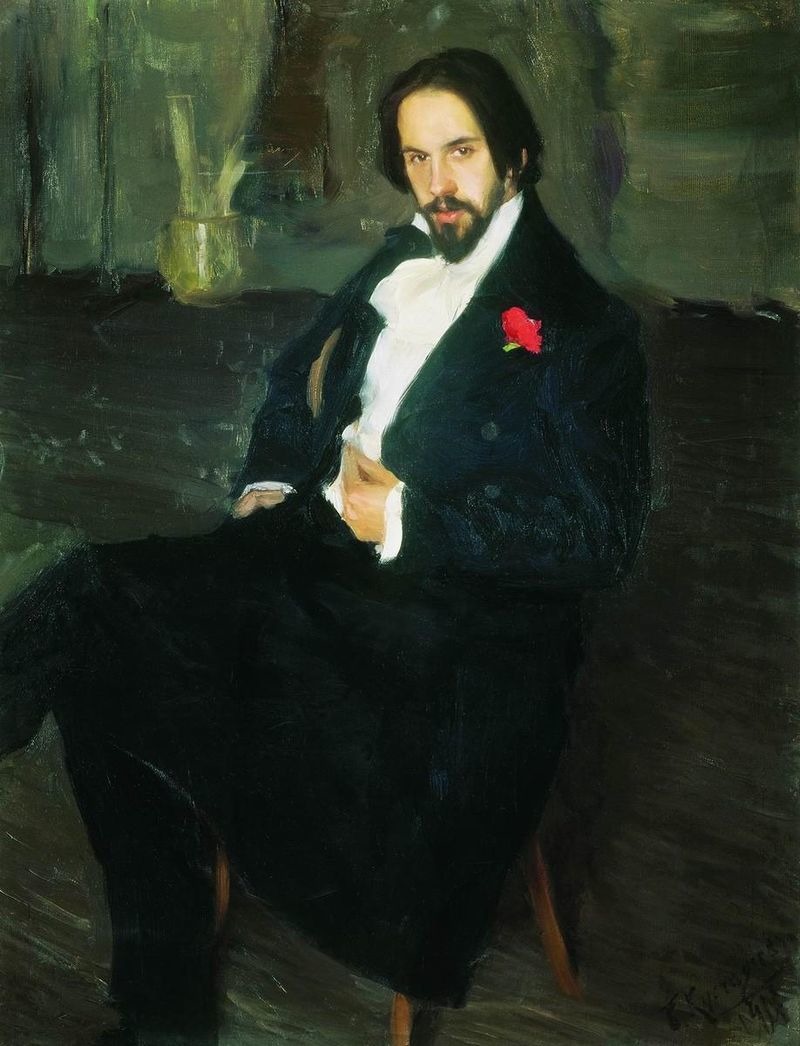
The Russian illustrator Ivan Yakovlevich Bilibin took his love for Russian folklore into his designs for the stage, creating clear, finely edged sets. His first illustrations were commissioned by the Russian government for a series of Russian folk story books.
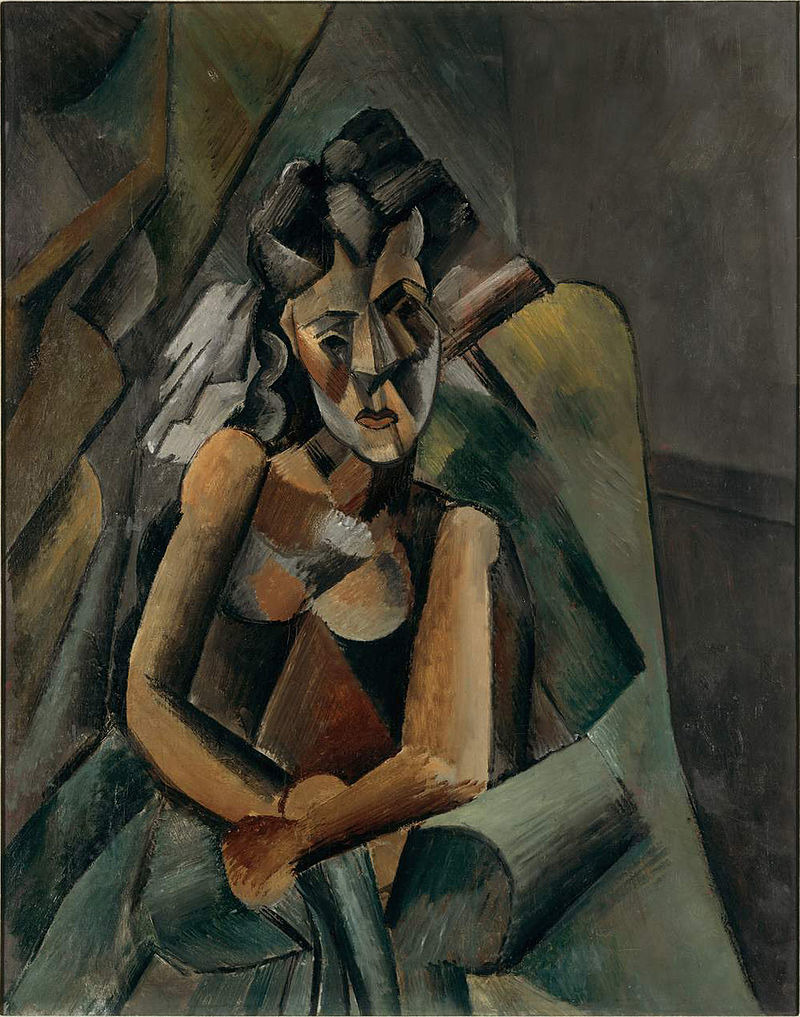
When you look at everything that the Spanish artist Pablo Picasso (1881-1973) was involved with, you have to cover most of the fine arts and then add a good slog of literature. He was a painter, sculptor, printmaker, ceramicist, and
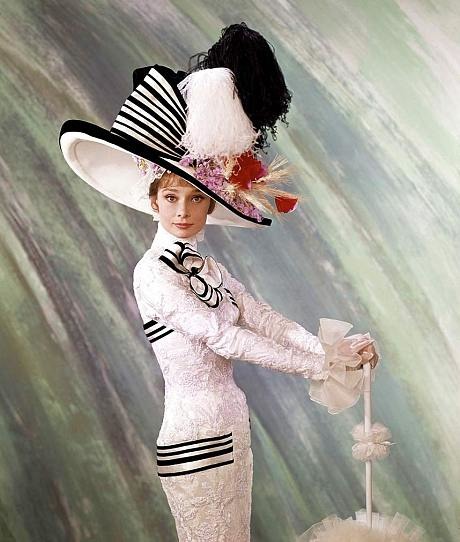
When we think of the artist Cecil Beaton, we think, perhaps, of two things: his photographs and his designs for the Broadway and film productions of My Fair Lady.

In my last article I discussed Čiurlionis’ genius, single-handedly introducing Symbolism to his native Lithuania. Alexander Scriabin (1872-1915) in contrast, lived and worked within well-established artistic traditions in Russia, in which the various avant-garde movements in music and art from