Classical music is dying. Thus goes the lament of many headlines addressing the classical music industry. The younger generation sees no appeal in the concert hall. Classical music is an art form dwelling in the past whose patrons are slowly dying out, leaving orchestras on financial life support. There is no place for classical music, a reminder of the past, in a society destined to move forever onward. I refuse to believe that, though. I am Gen-Z, stubborn, and will forever be an adamant performer and consumer of classical music. I write this essay as a manifesto for the future of classical music, drawing on my individual experience of classical music as a rare audience member, a young audience member. I hope that by contributing to our understanding of the experience of classical music, I can contribute to the longevity of that experience.
City of Light
The key term I would like to center my manifesto around is attunement. Attunement is a sort of sympathetic resonance with the world around us, how we align ourselves to our experiences. However, just as an instrument can become dissonant when it falls out of tune, our experiences can become disharmonious by lack of attunement, or misattunement. My inspiration to examine my experience of classical music in terms of attunement came from Sara Ahmed’s work, “Not in the Mood.” Ahmed states that “To be misattuned can thus mean being out of sync with a world.” When experiencing classical music, we envelop ourselves in the world of an experience – an aural and visual world. How we perceive our place in that world, our attunement to that world, can shape our experience of it. If we are misattuned to that world, if we have a subconscious feeling of non-belonging, our experience can become tainted, corrupted by this interior tension.
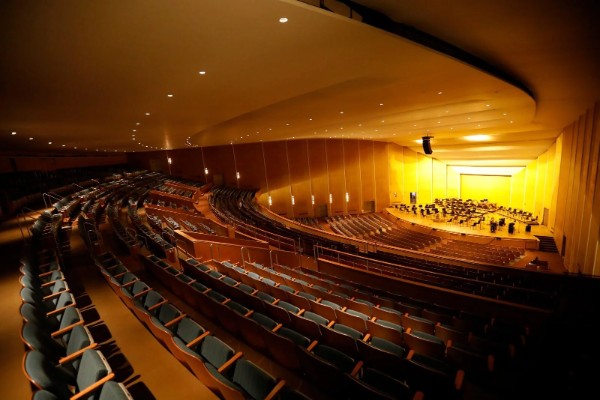
For as long as I can remember, for as long as I have loved classical music, I have experienced this interior tension, this misattunement to the classical music world. It manifests itself when my peers are confused or bewildered by my affinity for ‘ancient’ music or when I look around a concert hall without seeing a reflection of myself. This tension is indicative of a deeper, interior conflict. It is an artefact of a disharmony between two desires for attunement, an individual desire and a collective desire. My individual desire comes from my love of classical music. My collective desire comes from the natural desire to belong, to belong to my collective ‘Gen-Z’ identity. Unfortunately, this collective identity holds societal stigmas about classical music, conceptions that classical music is pretentious, aristocratic, exclusive, and hard to understand.
These stigmas are upheld by the popular media’s use of classical music; Vivaldi, Bach, and Mozart become the poster children for all that is overtly, somewhat disgustingly, pretentious. Of course, as stigmas tend to do, these stigmas forgo the nuance of classical music as an art form. They ignore its influence on Western music, its expansive range of tonalities and expressions from baroque through romantic, impressionistic, and onward, and its continued life through contemporary composition and film scores. While music education programs and orchestra outreach events may attempt to communicate with the younger generation, these represent futile efforts against the skewed representations disseminated in popular and social media.
Yet, there is still some force that pulls me in, some reason why I choose to go to concerts and listen to classical music despite my misattunement to the classical music world. I know what my reason is. It is because classical music offers me an experience that no other art form can match. It is because some of the most memorable experiences in my life have occurred in a concert hall. It is because the attunement I desire with the art form is strong enough to overpower whatever misattunements stigmas can create. Attunement is the heart of any art form, the reason humans went through the trouble of creating art, something that holds no sensible value towards our evolutionary progression. It is through attunement that the artist and the audience can be united in a shared experience, brought together in a beautifully rare moment of intimacy created by art, and it is through attunement that classical music will survive. I am sure of it.
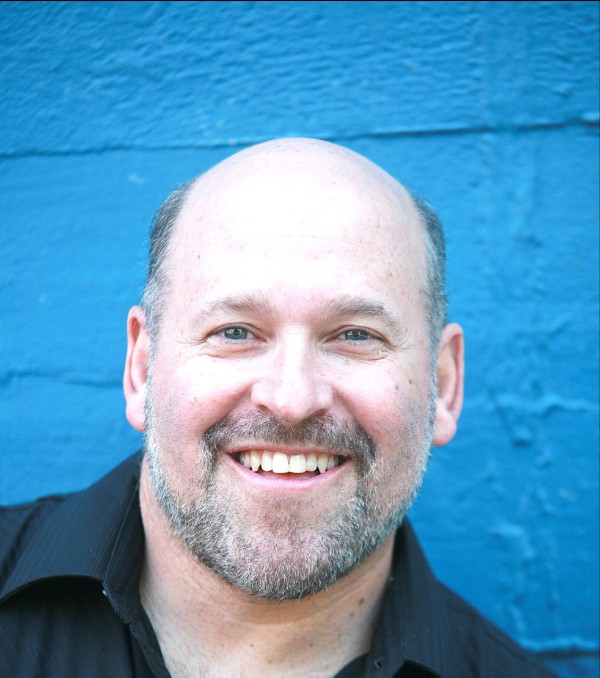
Christopher Osgood is a student at Columbia University and a pianist at heart. He hails from Western NY and has loved performing and listening to classical music for as long as he can remember. When he is not studying or practicing the piano, you will most likely find him at a classical concert. He hopes to share his love of classical music with others and to convince as many of his peers as possible that classical music rocks!
For more of the best in classical music, sign up for our E-Newsletter