
Ludwig van Beethoven is often remembered as a solitary genius: a composer who wrestled with fate, revolutionised music, and struggled through tinnitus, deafness, and depression to create some of the most influential works in the Western canon. But Beethoven didn’t
Beethoven
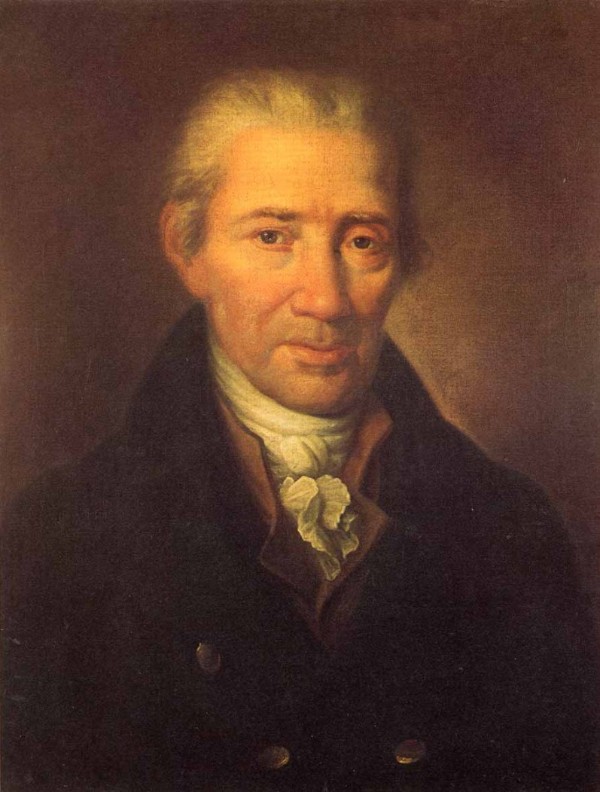
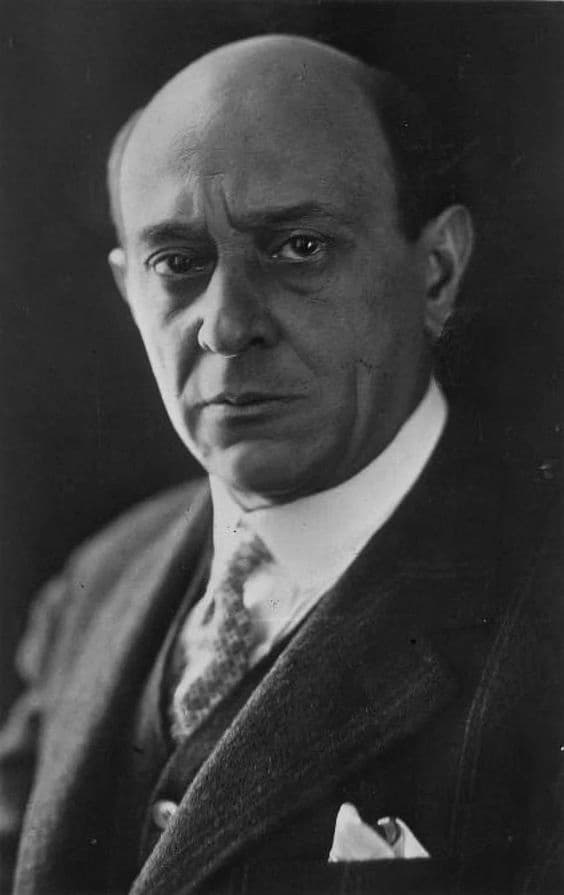
In a previous article, we looked at how Debussy, Satie and Ravel changed the direction of music, one would say, forever. If they were all contemporaries of each other, and interacting with each other would have directly influenced the development
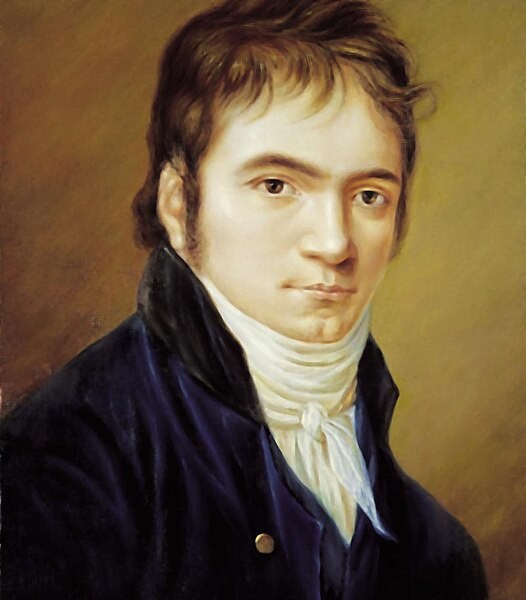
Ludwig van Beethoven is famous for composing deeply emotional music. After all, the nickname of one of his most famous melodies is “Ode to Joy.” But which of his works are sad? And which of those are the saddest? Today,
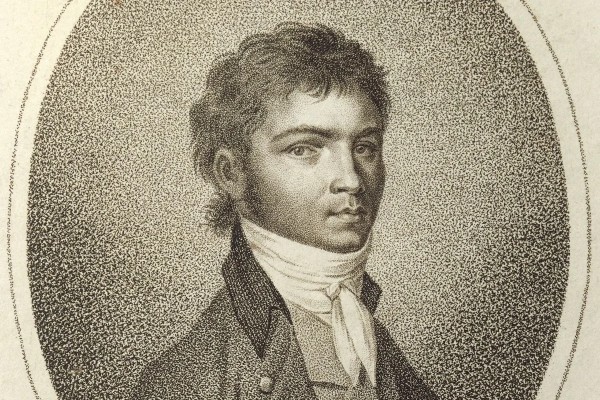
When most people think of Ludwig van Beethoven (1770-1827), their minds jump to the grand, earth-shaking moments of his music. The first four notes of the Fifth Symphony, the tender glow of the Moonlight Sonata, or the heroic sweep of
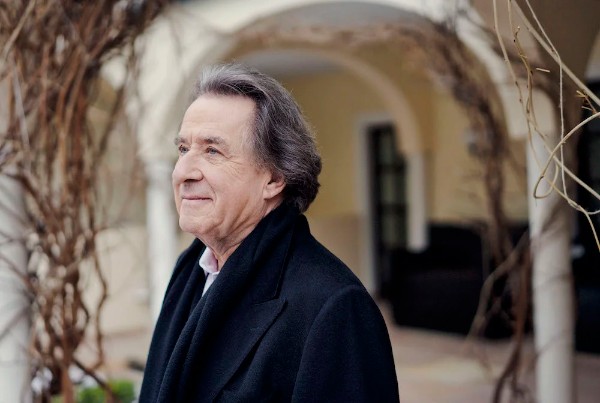
For six decades, pianist Rudolf Buchbinder has occupied a unique position among Beethoven interpreters. He is neither a flamboyant visionary who reshapes the score in his own image nor the archivist who entombs it in historical reverence. Instead, he has
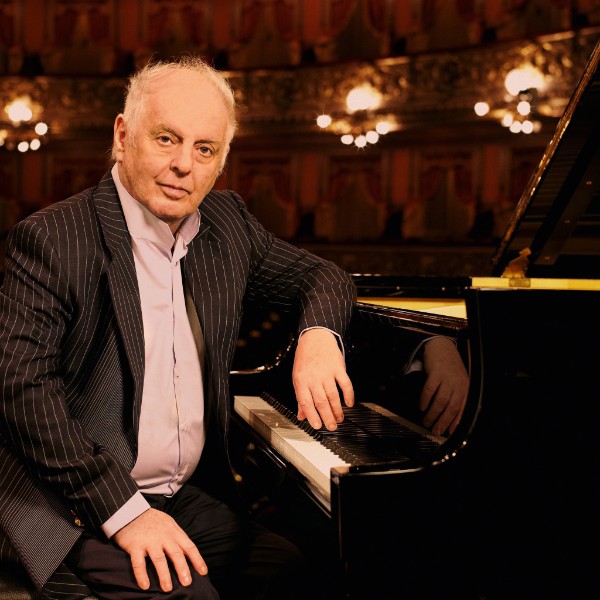
Ludwig van Beethoven, the titan of classical music, has inspired generations with his profound emotional depth, structural genius, and unrelenting passion. His symphonies, sonatas, and quartets are more than just musical compositions. They are monumental expressions of human experience, ranging
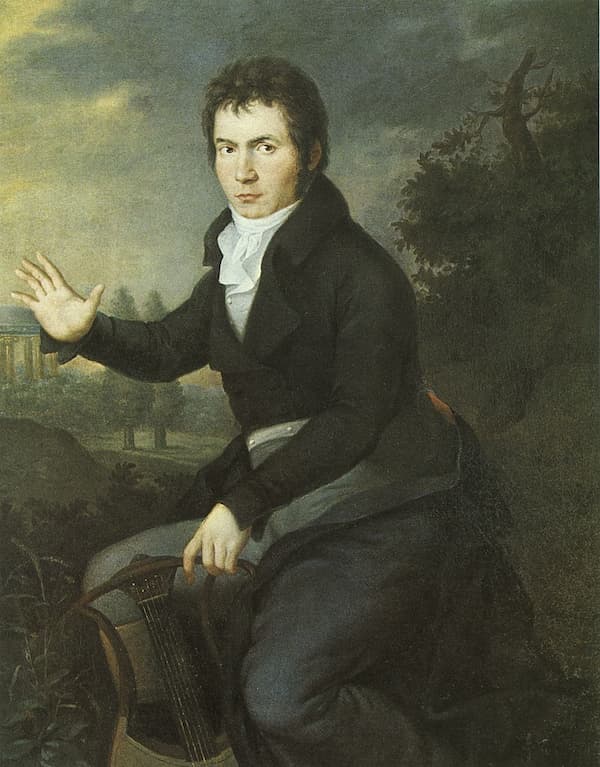
Romantic Era composers had a unique relationship with Ludwig van Beethoven. The man and his music cast a massive shadow over the nineteenth century, especially when it came to orchestral music. The Beethoven works that loomed the largest were his
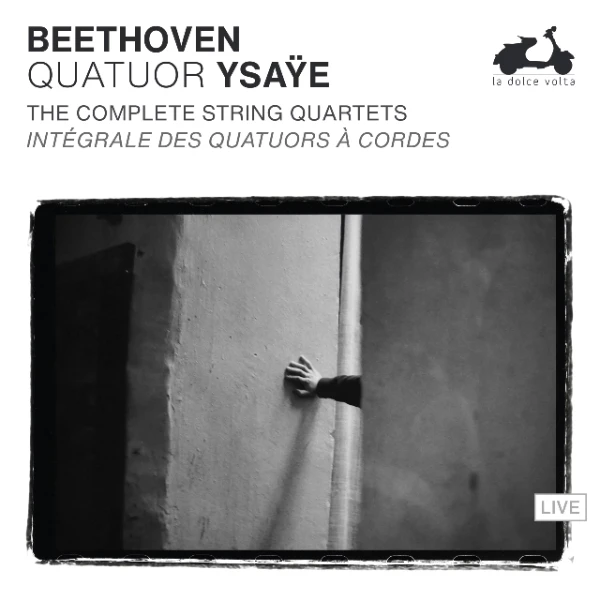
A wonderful phrase about the Ysaÿe Quartet is that they have a unity that never becomes uniformity. Unity of expression is sought, but never at the price of homogeneity of sound. In this recording of all of Beethoven’s string quartets,