
Joseph Haydn earned his nickname “Father of the Symphony” while working as the Kapellmeister in the Esterházy household, where he worked for decades, overseeing the court orchestra. However, when Haydn first joined that household at the age of twenty-nine, he
Haydn
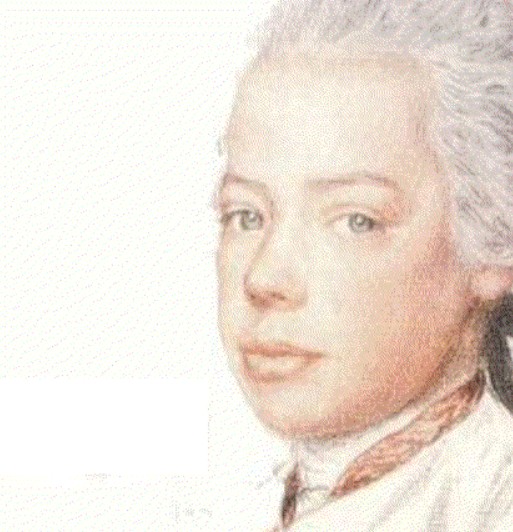
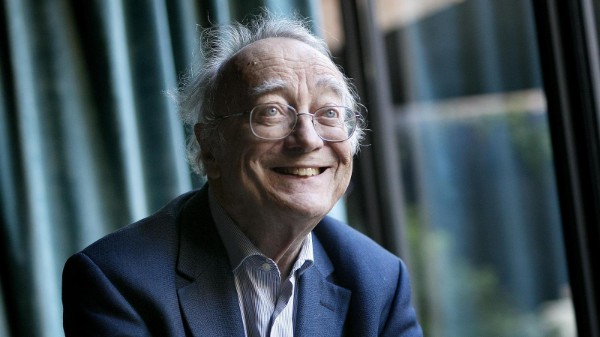
Joseph Haydn, often hailed as the “Father of the Symphony” and the “Father of the String Quartet,” is a towering figure in the history of Western classical music. His wit, structural ingenuity, and expressive depth have captivated audiences for centuries.
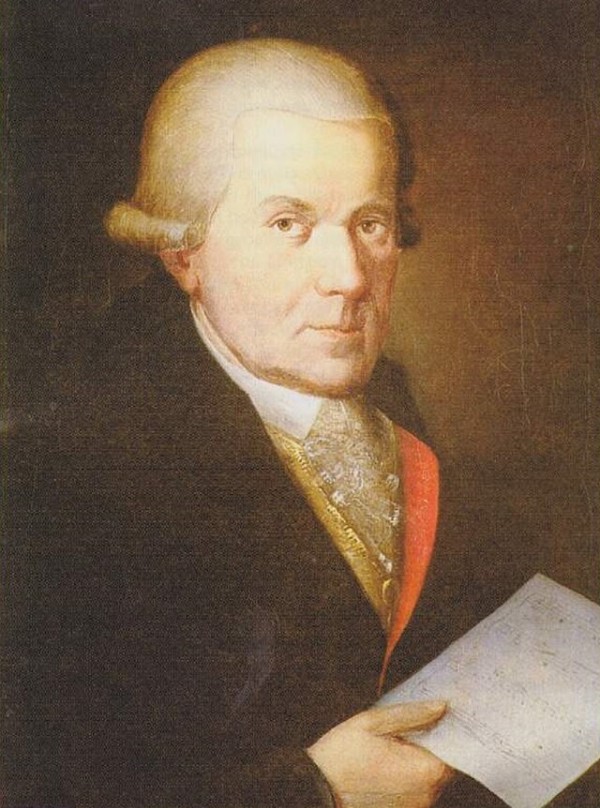
Michael Haydn was born on 14 September 1737 in the Austrian village of Rohrau. His father was Mathias Haydn, a wheelwright and local government official. His mother was Maria, a cook, wife, and mother. Both parents were enthusiastic amateur musicians
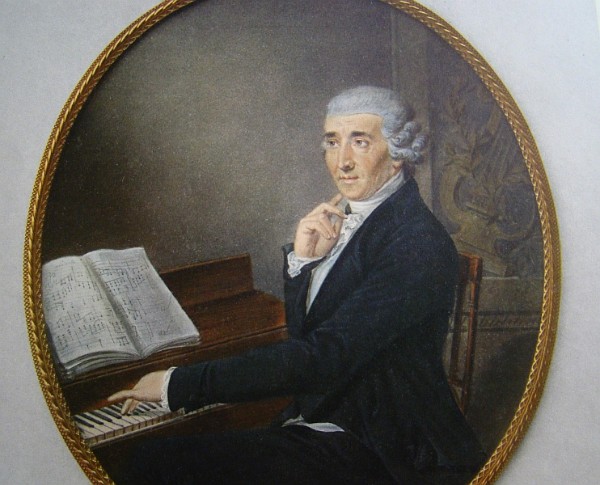
Joseph Haydn, the father of the symphony, crafted over a hundred works that blend wit, structure, emotional depth, and flair. His best symphonies stand as timeless monuments to Haydn’s genius for surprise, elegance, and innovation. The symphonies of Joseph Haydn
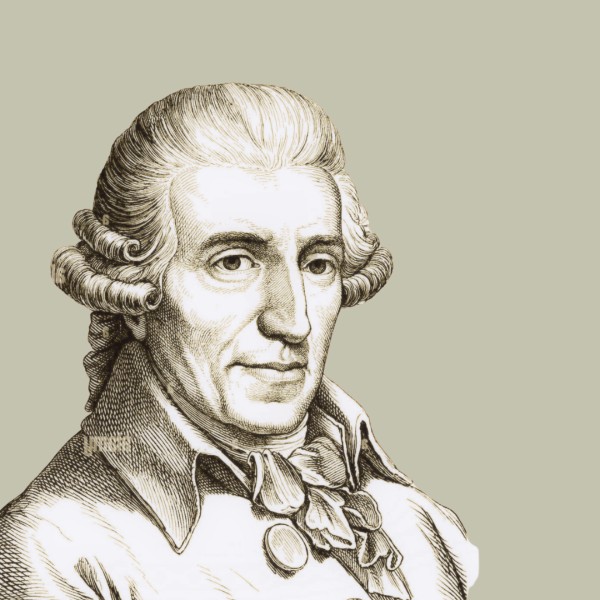
The 68 string quartets by Joseph Haydn revolutionised chamber music and earned him the title “Father of the String Quartet.” Haydn transformed the genre from polite parlour tunes into a dynamic conversation among four instruments. Written primarily between the 1750s
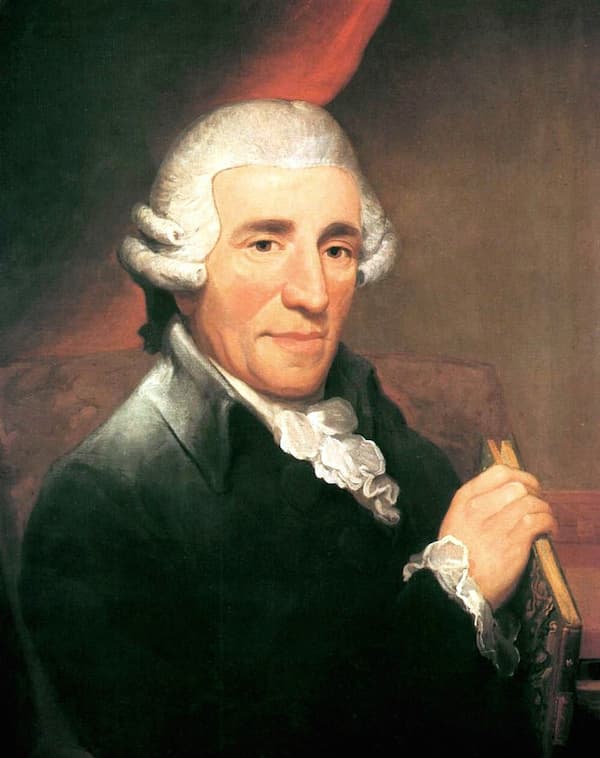
At the time of his death on 31 May 1809, Joseph Haydn was a cultural hero, venerated as the first of the three “Viennese Classics.” He started his career in the traditional patronage system of the late Austrian Baroque and
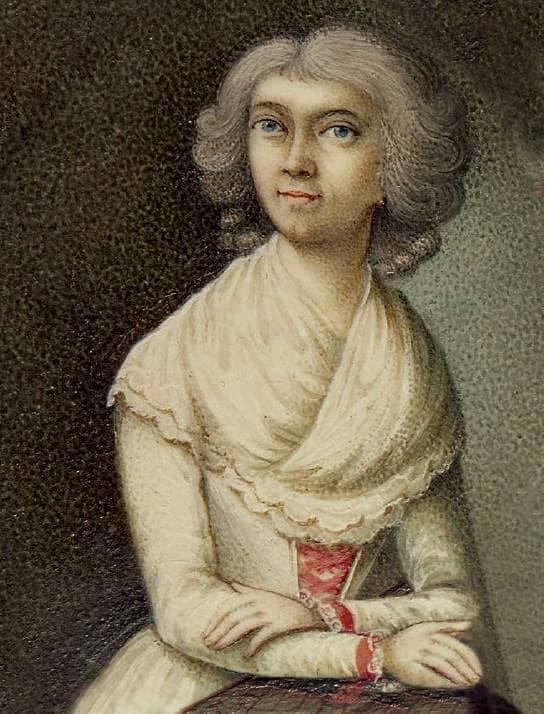
Johann Peter Keller was a well-to-do wigmaker from Vienna. He married a woman named Marie Elisabeth Sailler in 1722. Between 1723 and 1744, the couple had fifteen children. One of them grew up to become Joseph Haydn’s much-maligned wife. Today,
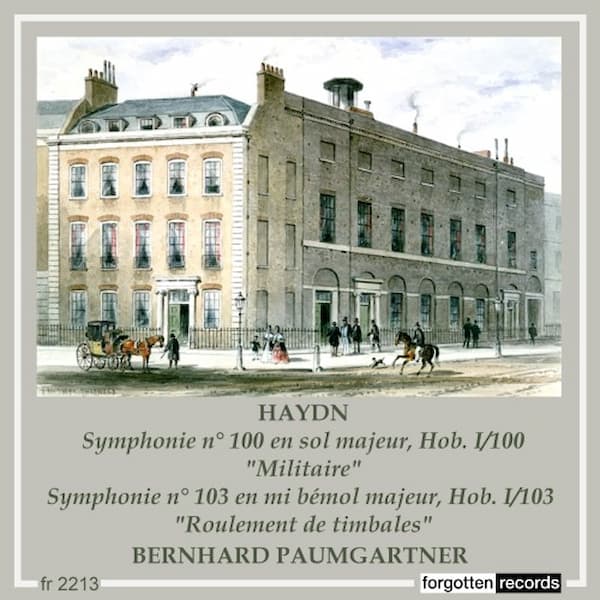
Joseph Haydn (1732–1809), largely released from duties with the Esterhazy family after the death of Prince Nikolaus in 1790, was free to make his second visit to London in 1794. He had been commissioned by Johann Peter Salomon to write