
Edvard Grieg, Norway’s most celebrated composer, has long captivated listeners with his evocative melodies, vivid harmonies, and deep connection to the rugged beauty of his homeland. His music carries an unmistakable Nordic spirit that blends romantic lyricism with folk-inspired vitality.
Grieg

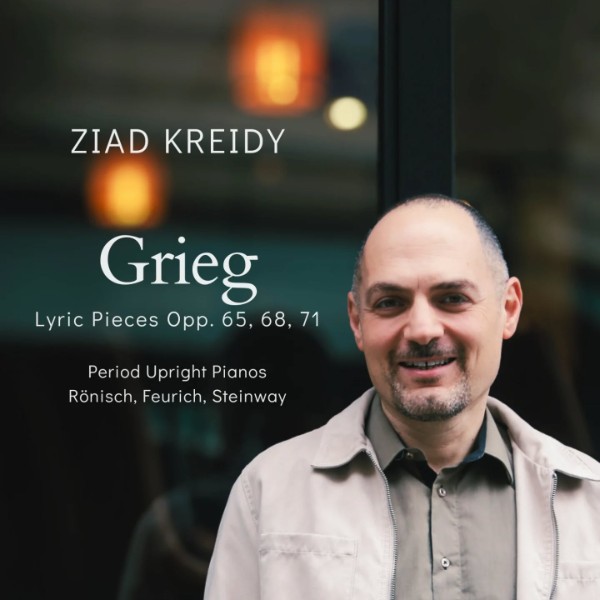
Some musicians live comfortably within the boundaries of the modern concert grand. Others, like Lebanese-born pianist and scholar Ziad Kreidy, spend their careers questioning those boundaries, searching instead for the forgotten voices of the past and the hidden colours of
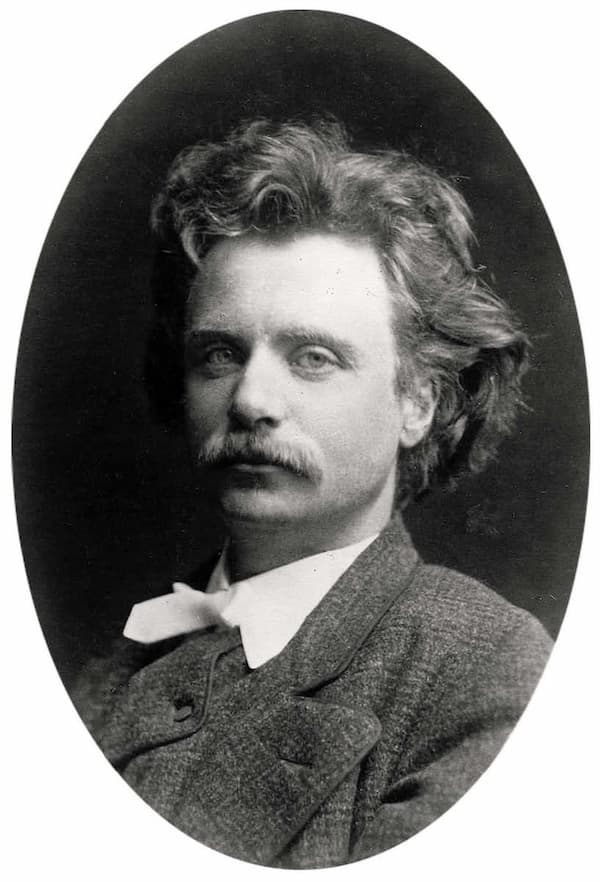
Edvard Grieg was born on 15 June 1843. So let’s have a little party for Norway’s musical maestro, who sprinkled fjord-flavoured magic into everything he wrote. Grieg had a giant imagination, and he gave us melodies that dance to the
Edvard Grieg (1843 – 1907) invented the idea of Lyric Pieces, but it’s really part of a long list of character pieces for the piano. With the rise of the home piano, there was an immediate market for music for
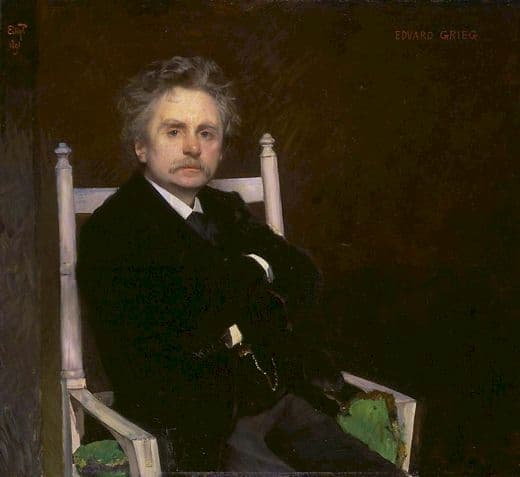
In 1895, Edvard Grieg came across the book Haugtussa (The Mountain Maid) by Arne Gaborg. He immediately was fire and flame writing to his friend Julius Röntgen, “In the last few days I have been occupied with a very peculiar
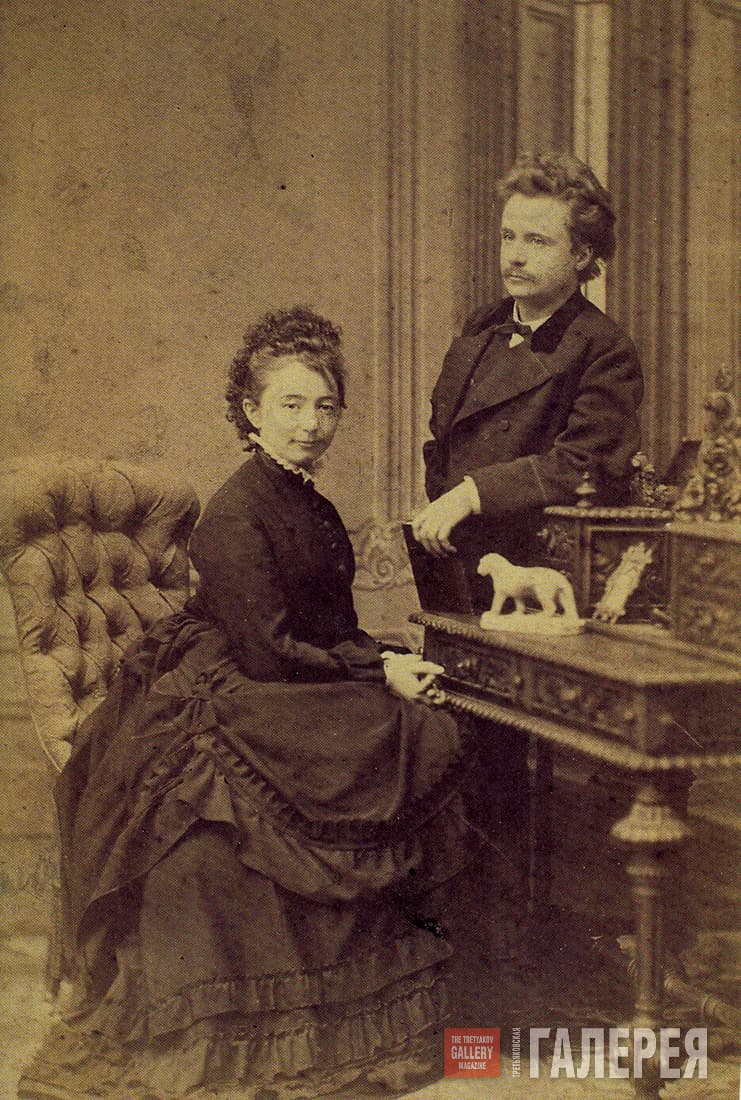
Edvard Grieg met Hans Christian Andersen in Copenhagen in 1864, when the writer and poet already enjoyed considerable fame in many parts of Europe for his stories, novels, and poetry. The two artists enjoyed a close kinship as both were
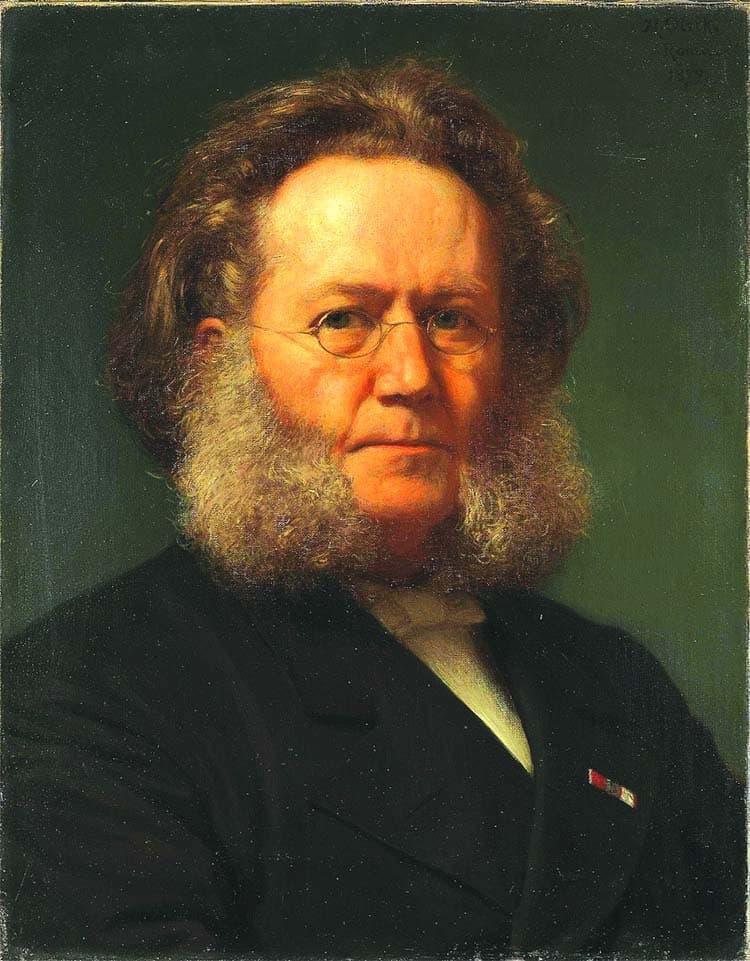
Throughout his life, Edvard Grieg (1843-1907) composed a total of 181 songs. That means that excluding folk-song arrangements, Grieg composed more vocal music than piano and chamber works together. From his 4 Songs Op. 2 of 1861 to the 5

In 1900, Grieg spent some time in Copenhagen, and he wrote to a friend, “although I am currently out of the country, my thoughts are only about Norway and Norwegians, about all our youthful pugnacity up there. Yes, it is