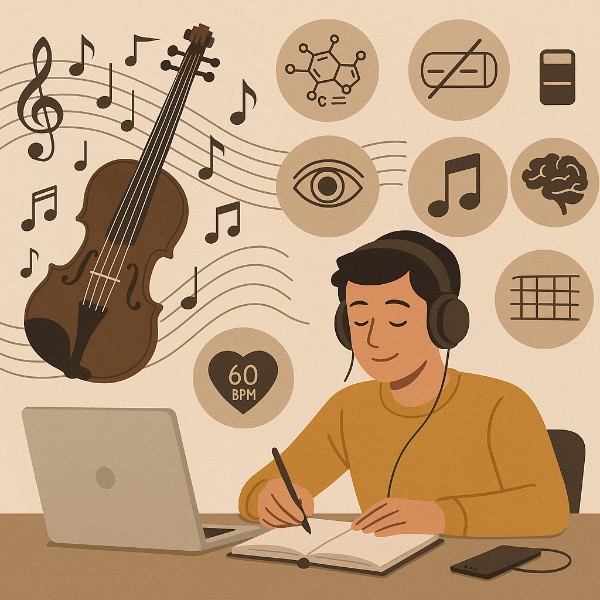
Music is not only a form of artistic expression but also a powerful tool for mental well-being. Learning to play an instrument offers numerous psychological benefits, from reducing stress to enhancing cognitive function. Whether you’re a beginner or an experienced musician, incorporating music into your routine can positively impact your mental health in profound ways.

The Benefits of Learning to Play an Instrument
Engaging with music through playing an instrument provides a range of cognitive, emotional, and social benefits. Some of the key advantages include:
- Improved Cognitive Function – Studies show that playing an instrument enhances memory, problem-solving skills, and overall brain function.
- Enhanced Emotional Expression – Music allows individuals to express their feelings in a healthy and constructive way, promoting emotional well-being.
- Boosted Confidence and Self-Esteem – Learning new skills and mastering songs fosters a sense of accomplishment and self-worth.
- Stronger Social Connections – Playing music with others, whether in a band, orchestra, or informal setting, builds relationships and fosters a sense of belonging.
- Increased Creativity – Experimenting with different sounds, melodies, and rhythms encourages creative thinking and self-expression, which can be beneficial in many areas of life.
Music engages multiple areas of the brain simultaneously, strengthening neural pathways and promoting overall mental resilience. This is especially important for individuals looking to improve their mental agility and emotional stability over time.
How Playing Music Develops the Brain and Improves Well-Being
Scientific research has shown that playing an instrument can lead to significant changes in brain structure and function. Here’s how:
- Increased Gray Matter Volume – Musicians often have more gray matter in regions associated with motor control, hearing, and memory.
- Stronger Neural Connections – Learning and playing music enhances communication between the left and right hemispheres of the brain, improving multitasking and problem-solving skills.
- Improved Mood Regulation – Music stimulates the release of dopamine and serotonin, neurotransmitters linked to happiness and relaxation.
- Better Focus and Discipline – Practicing an instrument requires sustained attention, patience, and perseverance, which can translate into improved concentration in other areas of life.
- Delayed Cognitive Decline – Studies suggest that musicians may have a lower risk of developing cognitive disorders such as Alzheimer’s and dementia due to the increased neural activity associated with playing an instrument.
Incorporating regular music practice into daily life can enhance mental clarity, emotional stability, and overall cognitive function. It can also serve as a form of lifelong learning, keeping the brain engaged and active.
The Connection Between Playing Music and Stress Reduction
Music has long been recognised as a natural stress reliever. Engaging in active music-making helps reduce anxiety and tension in several ways:
- Lower Cortisol Levels – Playing an instrument has been shown to decrease cortisol, the stress hormone, leading to a calmer state of mind.
- Mindfulness and Flow State – Focusing on playing music can bring individuals into a state of flow, where they are fully immersed in the present moment, reducing worries and distractions.
- Deep Breathing and Relaxation – Wind and string instruments, in particular, encourage controlled breathing and relaxation, similar to meditation techniques.
- Emotional Release – Expressing emotions through music can provide relief from stress, acting as a therapeutic outlet for tension and frustration.
- Physical Benefits – The act of playing an instrument can be physically beneficial, helping to relieve muscle tension, improve posture, and promote better breathing patterns, all of which contribute to stress reduction.
Music therapy is often used in clinical settings to help individuals cope with anxiety, depression, and PTSD. By incorporating mindful music practice into daily life, anyone can experience the benefits of stress relief and emotional healing.
Social and Emotional Benefits of Playing Music
© nautil.us
Beyond cognitive and stress-related benefits, playing an instrument fosters social and emotional growth:
- Stronger Empathy – Learning to interpret and express emotions through music can enhance empathy and emotional intelligence.
- Community Engagement – Being part of a band, orchestra, or choir provides a sense of belonging and shared purpose.
- Building Resilience – Learning an instrument involves overcoming challenges and setbacks, which builds perseverance and resilience over time.
- Therapeutic Value – Many people find that playing music helps them process difficult emotions, providing a constructive outlet for self-expression and healing.
For children and teenagers, learning an instrument can play a crucial role in emotional development, helping them navigate the challenges of growing up while improving their social interactions.
Taneyev quartet rehearsal August 1
Music as a Path to Mental Wellness
The benefits of playing an instrument extend far beyond entertainment—it is a powerful tool for mental and emotional well-being. By engaging in music, individuals can enhance brain function, boost mood, and develop healthier coping mechanisms for stress.
No matter your skill level, incorporating music into your life can bring lasting positive effects. Whether you play for personal enjoyment, as part of a group, or as a professional pursuit, the act of making music can lead to greater happiness, emotional resilience, and overall mental well-being.
So pick up an instrument, play your favourite tune, and experience the transformative power of music on your mind and soul. It may just be the key to a healthier, happier life.
For more of the best in classical music, sign up for our E-Newsletter