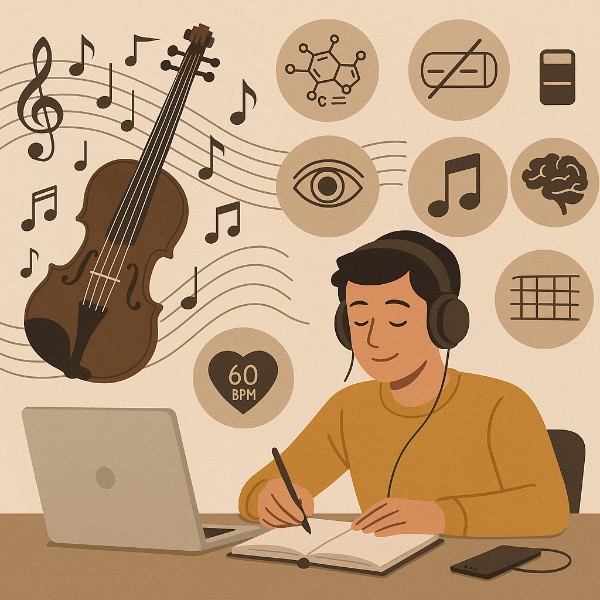
Music has the power to influence emotions, energise the body, and calm the mind. In today’s fast-paced world, stress is an unavoidable part of life, but music can be a simple yet effective tool for relaxation and mental well-being. By selecting the right sounds, individuals can reduce tension, enhance focus, and promote a sense of inner peace. But what types of music work best for relaxation, and how can you use music as a stress management tool? Let’s explore the science behind music’s soothing effects.

The Role of Relaxing and Ambient Music
Certain types of music are particularly effective at lowering stress levels. Relaxing and ambient music works by slowing heart rate, reducing cortisol levels, and promoting relaxation. Here are some of the most effective genres:
- Classical Music – Slow, instrumental pieces, especially those from composers like Debussy or Bach, have been shown to lower blood pressure and promote relaxation.
- Ambient and Chillout Music – Featuring soft synths, gentle beats, and atmospheric sounds, ambient music creates a calming atmosphere, perfect for unwinding after a long day.
- Lo-Fi Beats – This genre combines mellow melodies with a soft rhythmic backdrop, creating a soothing effect ideal for focus and stress relief.
- Jazz and Soft Acoustic – Smooth jazz or acoustic instrumentals can provide a laid-back, comforting ambiance, reducing feelings of anxiety.
Studies suggest that listening to slow-tempo music (60-80 bpm) can help synchronise brain waves with a more relaxed state, making it an effective aid for stress relief.
Slow-tempo music (60-80 bpm)
Techniques for Using Music for Relaxation and Meditation

© yogabasics.com
Music can be more than just background noise—it can become an active tool for mindfulness and relaxation. Here’s how you can integrate it into your stress management routine:
- Deep Breathing with Music – Choose a calming track and synchronise your breathing with the rhythm of the music, inhaling slowly for four beats and exhaling for four beats.
- Music-Assisted Meditation – Many meditation apps offer guided sessions with soft background music to help you reach a deeper state of relaxation.
- Progressive Muscle Relaxation – Play soothing music while systematically tensing and relaxing different muscle groups, helping release physical tension.
- Mindful Listening – Instead of using music as passive noise, actively focus on each instrument, melody, and rhythm, allowing yourself to be fully immersed in the sound.
How Nature Sounds Reduce Tension

One of the most effective ways to use music for stress relief is by incorporating nature sounds into playlists. Research shows that natural soundscapes can lower heart rate and improve overall mood. Popular choices include:
- Ocean Waves – The rhythmic crashing of waves mimics the body’s natural relaxation cycles.
- Rainfall – The gentle sound of rain creates a calming white noise effect that promotes a sense of peace.
- Birdsong and Forest Sounds – Studies suggest that listening to birds chirping and rustling leaves can boost mood and reduce stress levels.
- Flowing Water – Streams and waterfalls provide a continuous, soothing backdrop that can aid focus and relaxation.
Many people combine these sounds with soft instrumental music for an even greater stress-relieving effect.
Final Thoughts – Harnessing Music for a Stress-Free Life
The right playlist can be a powerful tool for reducing stress and improving mental well-being. By carefully selecting relaxing music, practising mindful listening, and integrating nature sounds into your daily routine, you can create a personalised approach to stress management. Whether you’re looking to unwind after a stressful day, improve your focus, or enhance your meditation practice, music can provide a simple and effective path to relaxation.
So, the next time you feel overwhelmed, press play on your favourite calming track—your mind and body will thank you.
For more of the best in classical music, sign up for our E-Newsletter