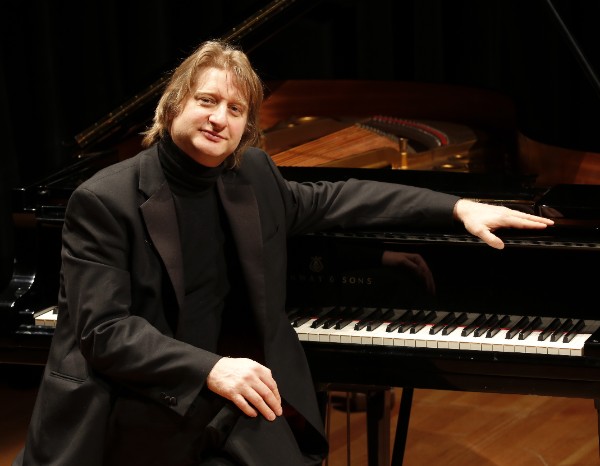
It has become increasingly rare to hear Krystian Zimerman live – and to listen to him in person is always something to remember. This winter in Japan, Zimerman ventured into a rather experimental programme, featuring Schubert Impromptus Op. 90, Debussy Arabesque No. 1 and Clair de lune in the first half, and a selection of works titled “Preludes & Co” in the second.
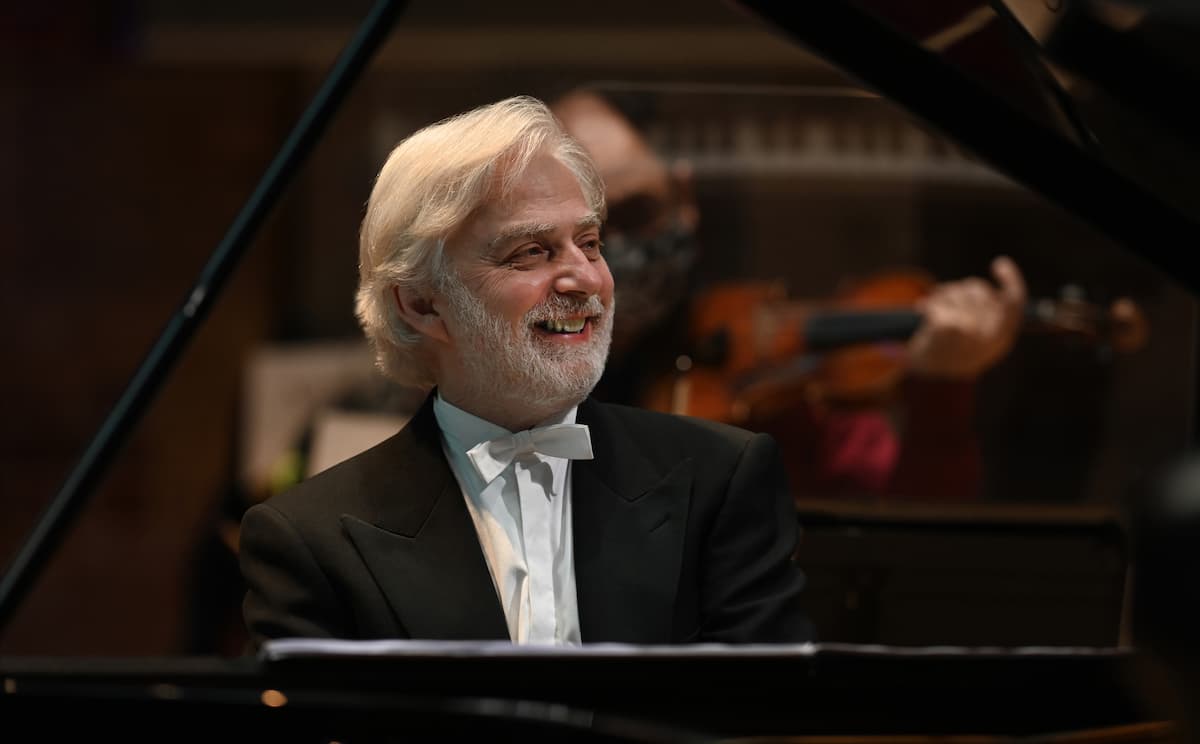
Krystian Zimerman
The concept of “Preludes & Co” probably requires some explanation. Juxtaposing works spanning three centuries, the exact selection varied from concert to concert and was announced only on the spot. Zimerman explained that this idea was inspired by conversations with legends such as Richter and Kempff on the unhealthy obsession with performing “complete works”, as well as a recent visit to an exhibition that compelled visitors to explore without maps. “I want the audience to feel as if they are going on a journey with me through an unknown programme,” Zimerman wrote, “a journey that even I may not fully understand.”
After a prolonged, almost deafening silence, Zimerman emerged onto the stage of Suntory Hall, accompanied by his own meticulously prepared instrument and embraced by warm applause. The opening Impromptu in C minor unfolded at a flowing pace without veering into sentimentality. The duet-like sections exuded bittersweetness and impeccable lyricism, yet he never shied away from the inescapable fate signified by the recurring G octaves. Zimerman launched into the second Impromptu in E-flat major after jokingly gesturing for the audience to clear their throats. Here, the legato was spun from silk; the upper register of his Steinway shimmered with luminosity. The third, in G-flat major, radiated tenderness, warmth and serenity, while the fourth, in A-flat minor, contained such anguish in its central section.
Franz Schubert: 4 Impromptus, Op. 90, D. 899 – No. 3 in G-Flat Major (Krystian Zimerman, piano)
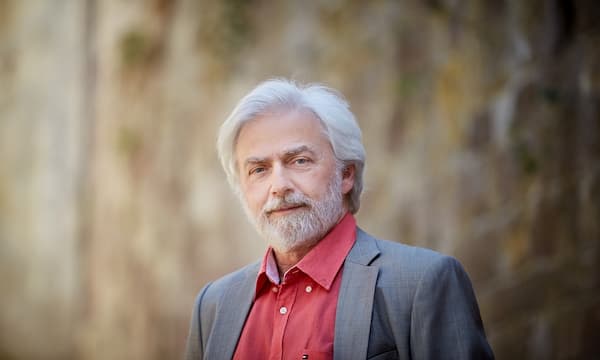
Krystian Zimerman
What followed were Debussy’s Arabesque No. 1 and Clair de lune. It was revelatory to witness these overplayed (if such a word is allowed) works transformed into something truly sublime. It was really a masterclass in tonal control – that pearlescent glitter, that pellucid glow, and that ever-shifting kaleidoscope of colour… Nevertheless, it wasn’t only about the splendour of sound, but also how the timbres themselves spoke emotions, as Zimerman reached pianistic heights that most can only dream of.
The selected works of “Preludes & Co” at Suntory Hall on 8 December 2025 were as follows:
- Statkowski: Prelude in C major, Op. 37 No. 1 / Bach: Prelude No. 1 in C major, BWV 846
- Scriabin: Prelude in A minor, Op. 11 No.2
- Rachmaninoff: Prelude in D major, Op. 23 No. 4
- Franck: Prelude from Prelude, Fugue & Variation, Op.18
- Debussy: Prelude Book 1 No. 12, Minstrels
- Chopin: Prelude in E minor, Op. 28 No. 4
- Chopin: Prelude in A major, Op. 28 No. 7
- Scriabin: Prelude in F-sharp minor, Op. 11 No. 8
- Schumann: Romanze in F-sharp major, Op. 28 No. 2
- Gershwin: Prelude No. 3
- Chopin: Prelude in A-flat major, Op. 28 No. 17
- Bacewicz: Prelude & Fugue from Piano Sonata No. 2
- Chopin: Prelude in B major, Op. 28 No. 11
- Rachmaninoff: Prelude in G-sharp minor, Op. 32 No. 12
- Kapustin: Prelude in E major, Op. 53 No. 9
- Rachmaninoff: Prelude in C-sharp minor, Op. 3 No. 2
Obviously, there is no single answer to the sequence of works, beyond the apparent pattern that each major key was succeeded by its relative minor. The seldom-heard Prelude by Polish composer Roman Statkowski served as an inviting introduction to this mesmerising journey, leading attacca into Bach’s Prelude in C major that seemed to surface from silence. Equally intriguing was the seamless suture between Chopin’s Preludes No. 4 and No. 7. The Scriabin Preludes flowed with a supple rubato, capturing the quasi-improvisatory quality inherent to Scriabin’s idiom. The Rachmaninoff revealed Zimerman as the consummate romantic, while Debussy’s Minstrels showcased his other facet as a versatile wit. The Gershwin and Kapustin, meanwhile, injected a refreshingly jazzy flavour into the programme. The work by Grażyna Bacewicz (specifically Largo from her Piano Sonata No. 2) opened pensively with hauntingly suppressed chords, setting in motion a turmoil that Zimerman unleashed with fearless intensity.
Roman Statkowski: 6 Préludes, Op. 37 – No. 1 in C Major (Magdalena Lisak, piano)
Grażyna Bacewicz: Piano Sonata No. 2 – II. Largo (Krystian Zimerman, piano)
Krystian Zimerman plays Gershwin 3 Preludes
“This year’s programme marks a new direction for me. It is an endeavour that took me 20 years to find the courage to take on,” Zimerman remarked. May we wish the maestro, who celebrated his 69th birthday during this tour, many more years of artistic adventures to come.
For more of the best in classical music, sign up for our E-Newsletter