The two world wars forever altered the lives of everyone who fought in them…including the great composers.
Some found creative inspiration amidst the violence, while others had their careers or even lives cut short by it.
But these eight composers shared one thing in common: their wartime service left a mark on both themselves and classical music history.
Maurice Ravel (1875–1937)
Ravel’s Concerto for the Left Hand
When World War I broke out in 1914, composer Maurice Ravel was thirty-nine years old.
He immediately volunteered for the French army, but he was rejected several times for being underweight. (He was among the scrawniest of the great composers.)
His backup plan was to join the French Air Force. He was hopeful that, given the limitations of 1910s aeronautical technology, small men would be in demand as pilots.
However, he was ultimately rejected from that job, too. In the end, he became an ambulance driver for the Thirteenth Artillery Regiment.
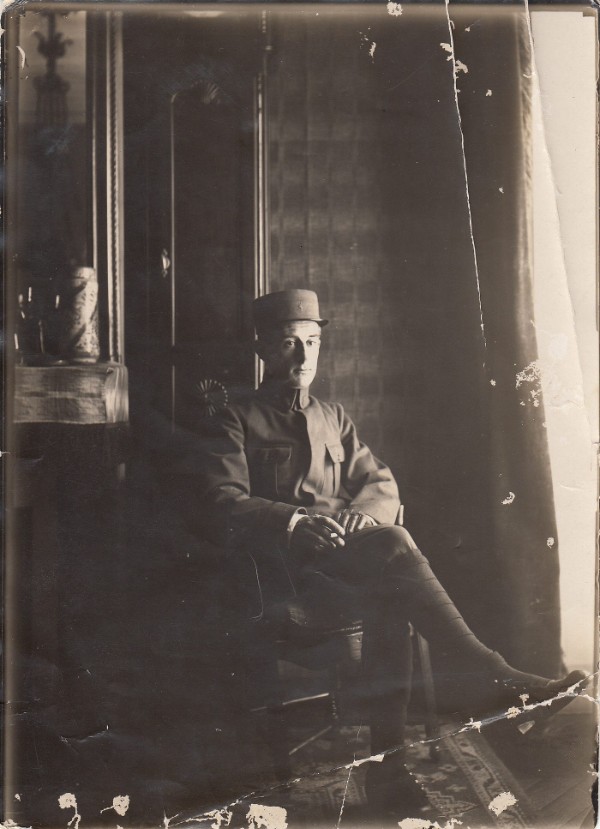
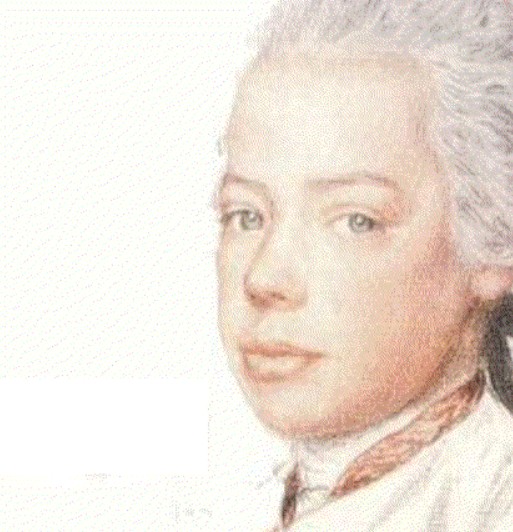
The young Maurice Ravel
The physical demands of the job, the sheer horror of what he witnessed on the battlefield, and the loss of friends to the violence took a toll on both his physical and mental health.
In the postwar years, Ravel’s music often carried a sharper, more austere edge, as in his Piano Concerto for the Left Hand, written for Paul Wittgenstein, a concert pianist who lost his arm in the war.
André Caplet (1878–1925)
Caplet’s Sanctus
In 1901, André Caplet beat out Maurice Ravel for the prestigious Prix de Rome composition prize.
Thirteen years later, in 1914, Caplet enlisted in the French army. He served at the front and saw battle in the trenches at Verdun. The following year, he was injured and gassed, but in the end, he survived the war.
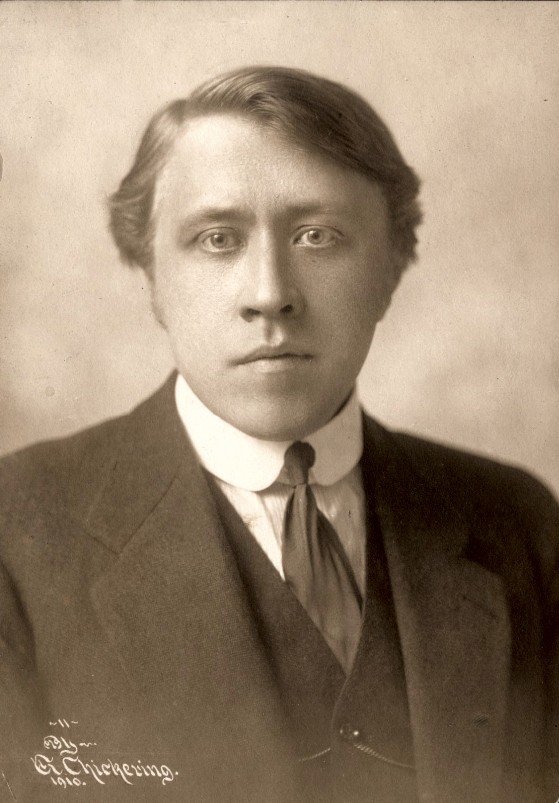
André Caplet
After returning home, he gave up teaching and focused on composition instead, writing spiritual works like Messe à trois voix and Le Miroir de Jésus. These pieces were deeply influenced by war and his time in the military.
In 1925, he caught a cold, which developed into pleurisy due to his wartime injuries. He died of the infection at the age of 46.
Frederick Kelly (1881–1916)
Kelly’s Elegy for Rupert Brooke
Australian-born Frederick Septimus Kelly was both a celebrated rower (an Olympic gold medalist, in fact) and a gifted composer.
When World War I began, he joined the Royal Naval Division along with his close friend, poet Rupert Brooke. Kelly fought at Gallipoli and was injured twice.
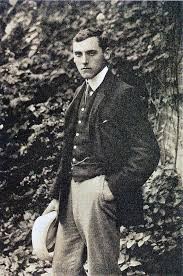
Frederick Kelly
While Kelly was recovering from his wounds, Brooke was bitten by a mosquito and ended up dying of septicaemia. Kelly began composing his Elegy for Rupert Brooke in the spring of 1915, while Brooke was on his deathbed.
Kelly was killed in action in 1916 at the Battle of the Somme, leaving behind a small but striking body of work.
Find out more about Frederick Kelly’s heartbreaking death…and the great violinist who loved him.
Walter Leigh (1905–1942)
Leigh’s Concertino for Harpsichord and String Orchestra
An English composer of orchestral, stage, and chamber music, Walter Leigh joined the Royal Armoured Corps during World War II.
In 1942, during the North African campaign, he was killed in action near Tobruk, Libya. He was just 37 years old and left behind a wife and three children.
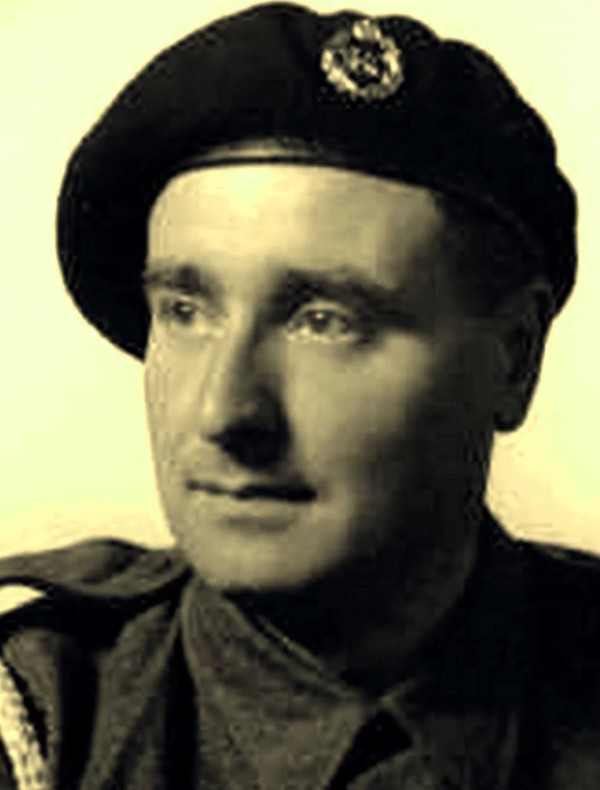
Walter Leigh
Leigh’s music was bright, neoclassical, and full of wit. His Concertino for Harpsichord and String Orchestra remains a lively reminder of a career that the war ended much too soon.
Olivier Messiaen (1908–1992)
Messiaen’s Quartet for the End of Time
Olivier Messiaen was drafted into the French army in 1940. Due to poor eyesight, he became a medical auxiliary instead of an active combatant.
Within months, he was captured by the Germans and became a prisoner of war. He was held in the Nazi prison camp Stalag VIII-A.
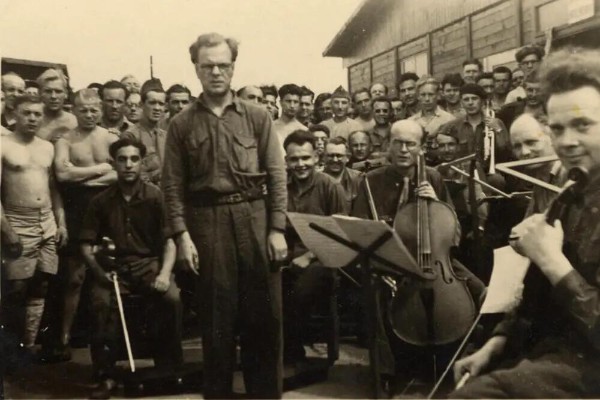
Olivier Messiaen
There, inspired by several fellow musical inmates and aided by a sympathetic guard, he wrote his deeply spiritual Quartet for the End of Time. It premiered in January 1941 in freezing conditions, using a rundown upright piano.
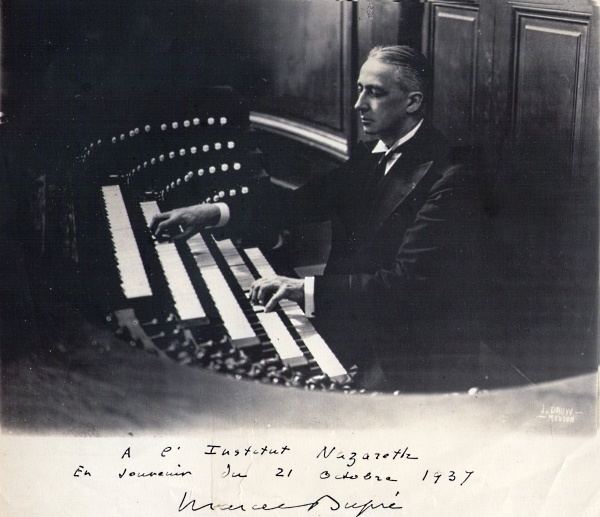
Marcel Dupré
Messiaen’s composition teacher, Marcel Dupré, pulled strings behind the scenes to get his talented student released from the camp.
Soon after his release, thanks to Dupré’s advocacy, Messiaen was offered a job teaching harmony at the Paris Conservatoire, where he worked until the 1970s. Today, his most famous work is still the Quartet.
Samuel Barber (1910–1981)
Barber’s Symphony No. 2
Already a rising American composer when the United States entered World War II, Barber enlisted in the Army Air Corps in 1942.
While in the military, he wrote the Commando March, which was premiered by the Army Air Forces Technical Training Command Band in 1943.
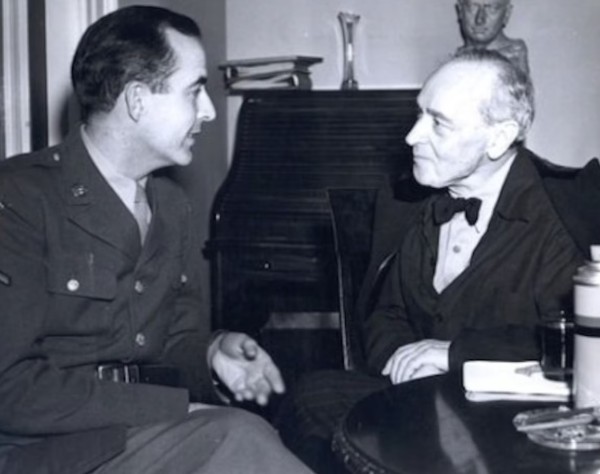
Samuel Barber and Serge Koussevitzky
Boston Symphony conductor Serge Koussevitzky commissioned a number of works from Barber in the early 1940s, including an orchestral arrangement of the Commando March and Barber’s brilliant cello concerto.
The Air Force itself commissioned Barber’s second symphony, a “symphonic work about flyers”, in 1944.
Interestingly, in the 1960s, Barber withdrew the work, commenting delicately, “Times of cataclysm are rarely conducive to the creation of good music, especially when the composer tries to say too much.”
Jehan Alain (1911–1940)
Alain’s Litanies, played by his sister Marie-Claire Alain
A promising French organist and composer, Jehan Alain joined the French army when World War II broke out. He loved motorcycles and took a job as a motorcycle dispatch rider.
In June 1940, during the Nazis’ advance into France, he ran into some German soldiers outside of Saumur, France. He abandoned his motorcycle and killed several Germans, but died in the skirmish before he could escape.
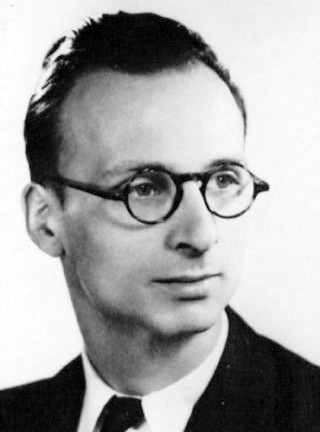
Jehan Alain
His decade-long career produced a body of organ music that combines colour with great spirit. These works mark him as one of the most tragic musical losses of World War II, and one of the twentieth century’s great musical what-ifs.
George Lloyd (1913–1998)
A documentary about the life of George Lloyd
An English composer who had spent his promising early career in opera, George Lloyd served in the Royal Marines during World War II.
In 1942, while on an Arctic convoy, a torpedo launch failed and hit the ship’s fuel tank. He witnessed his colleagues drowning in fuel; Lloyd became the last survivor to escape the compartment.
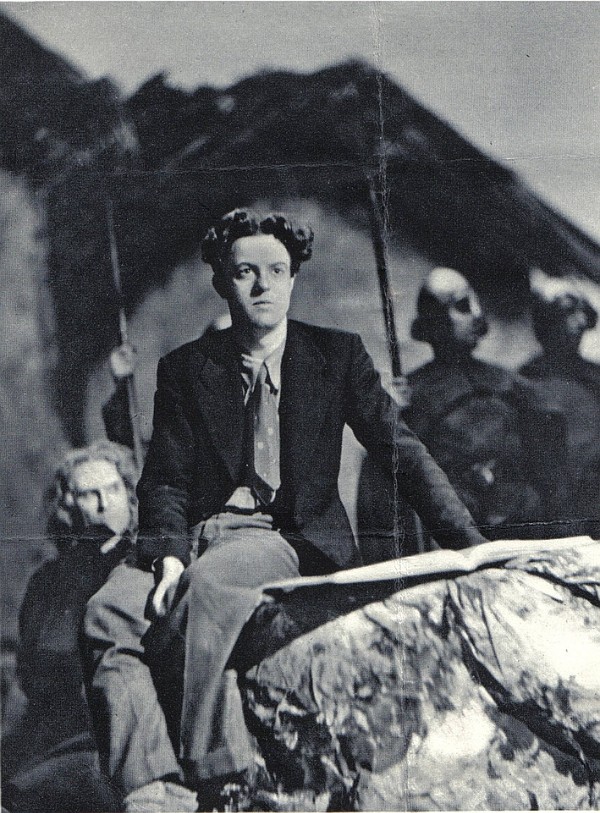
George Lloyd
Afterwards, he became ill with what was then known as shell shock, but which nowadays might be labelled post-traumatic stress disorder (PTSD). His symptoms included years of uncontrollable shaking in his arms and legs.
He survived the war and, struggling through bouts of ill health, returned to composition while working a day job growing carnations and mushrooms. In the 1970s, his creativity blossomed after retiring from agriculture.
He continued composing until 1998. His final work was a Requiem dedicated to the late Princess Diana. At the time of his death, he was 85 years old.
Find out more about the heartbreaking intersection of classical music and war.
Conclusion
World War leaves no one untouched, not even the composers whose work we’re so often told should exist outside of politics or other earthly concerns.
For these eight composers, military service was not just a chapter of their lives; it reshaped their most personal beliefs about life, death, and music. The least we listeners can do for them is to try to understand their experiences when we listen.
For more of the best in classical music, sign up for our E-Newsletter