Every year on 13 January, a quiet yet vibrant celebration sweeps across the globe. Poetry at Work Day is a day dedicated to revelling in the magic of words, their rhythms, and their sounds.
Unlike holidays marked by fireworks or feasts, Poetry at Work Day is celebrated primarily in one’s imagination. On this day, poets, writers, readers, and even those who merely stumble across a stanza in a café can pause to marvel at the power and playfulness of words.

It is a festival of the human voice, imagination, and wordplay. On 13 January, poetry is everywhere, and the world is ready to bounce along with it.
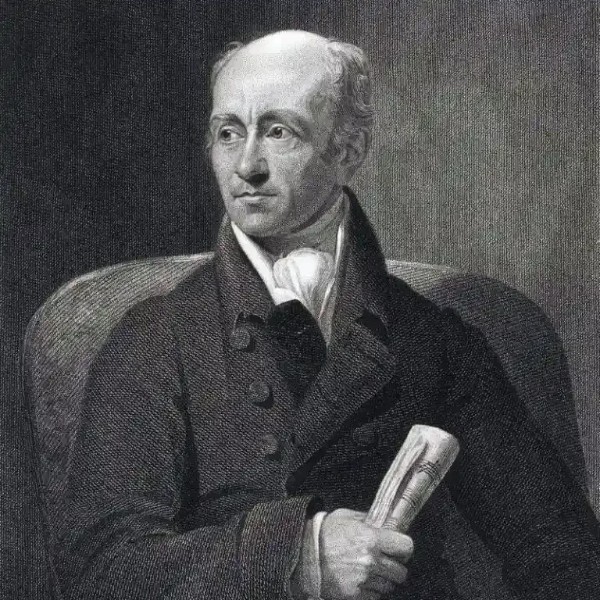
Hugo Wolf: Mörike Lieder, “Verborgenheit”
Finding Rhythm in the Everyday
Poetry at Work Day was created by the editors of Tweetspeak Poetry to shine a spotlight on esteemed poets like T.S. Eliot and Robert Frost. Both actually balanced their craft with regular day jobs, proving that poetry isn’t confined to study or studio.
The heart of the celebration is simple yet profound. No matter your profession or background, poetry is all around, waiting to be noticed, played with, and created. On January 13, the mundane becomes lyrical, the routine becomes rhythmic, and the workplace transforms into a playground for words.
At its heart, Poetry at Work Day is about movement and joy. Poetry is inherently dynamic as words leap, twist, and pirouette across the page. Meanings shimmer and shift, and rhythms beat and pulse like a heartbeat.
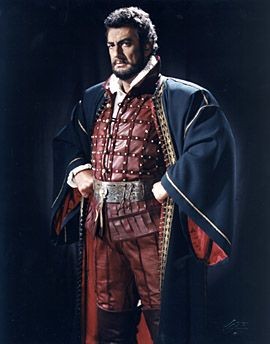
Maurice Ravel: Cinq Mélodies populaires grecques
The Weight of a Word
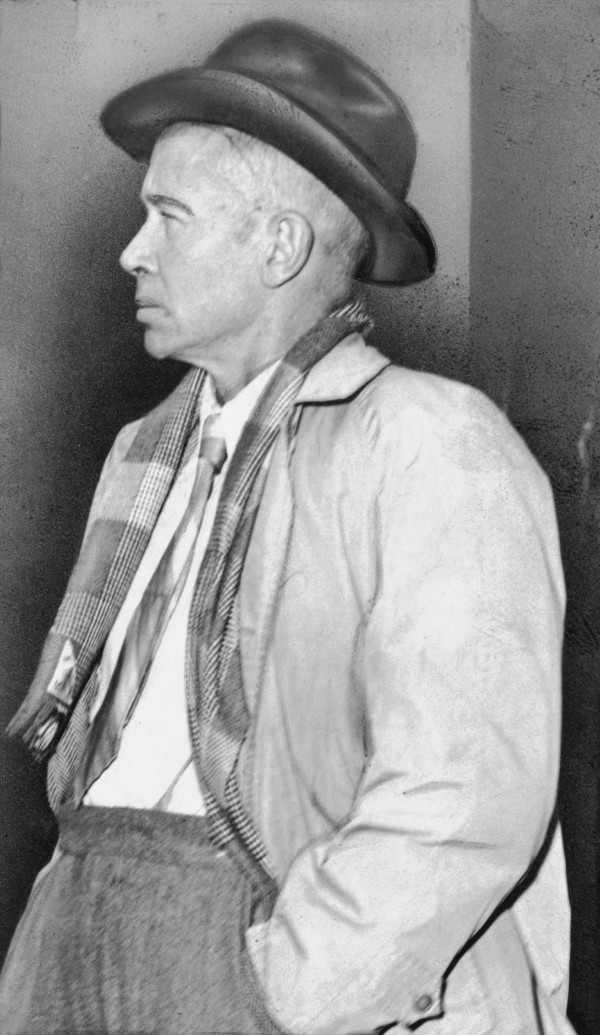
E.E. Cummings
Even a single line of poetry can carry the weight of an entire universe. Take, for example, the playful inventiveness of E.E. Cummings, whose poems toss conventions aside and delight the eye as much as the ear.
And how about the meticulous musicality of Gerard Manley Hopkins, whose sprung rhythm bends and curves like sunlight across rippling water.
Or the vivid clarity of Mary Oliver, whose deceptively simple observations of nature open entire worlds of thought and feeling, reminding us that profound insight can arrive in the quietest of lines.
On Poetry at Work Day, we are reminded that poetry is not a dusty relic of the past but a living, breathing celebration of language itself.
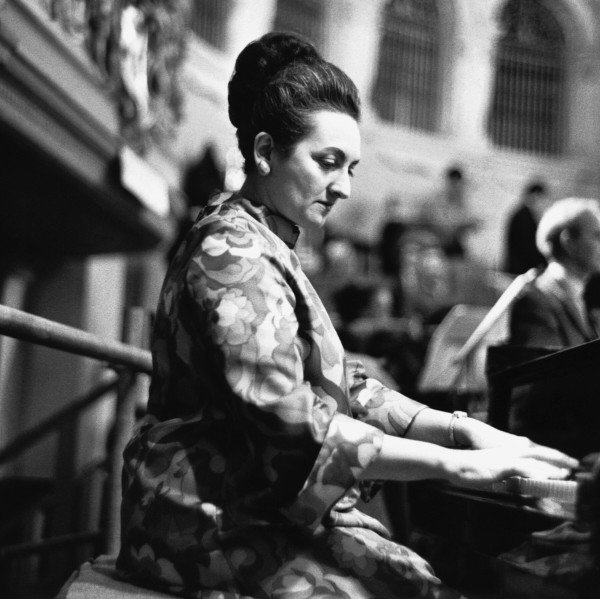
Francis Poulenc: Fiançailles pour rire, “Fleurs”
Poetry Without Borders
One of the most delightful aspects of this day is its universality. Poetry does not belong to any one language, culture, or era. It is a global conversation, a human habit of turning experience into sound and symbol.
Across continents, poets use words to celebrate the ordinary, mourn the lost, or question the world. From the haiku masters of Japan, who distil entire landscapes into seventeen syllables, to the rhythmic exuberance of African oral poetry, where stories rise and fall with drums and voices.
And in the ghazal tradition of Persian and Urdu poetry, each couplet stands as a self-contained meditation on love, longing, or the mysteries of existence. Yet it is all linked to the others through rhyme, refrain, and musical cadence.
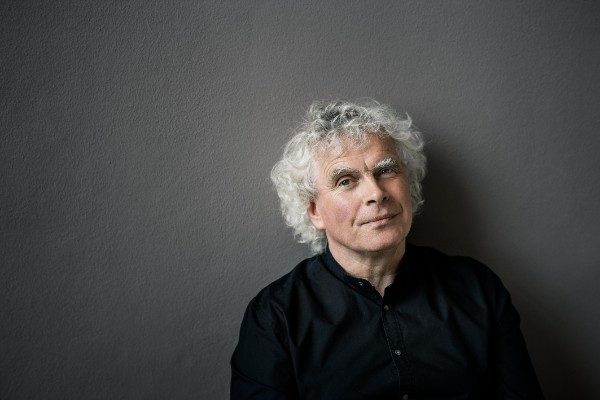
Claude Debussy: Ariettes oubliées, “C’est l’extase langoureuse”
Listening to Life
Yet Poetry at Work Day is not only about reading or writing poetry. It is about feeling the pulse of words in everyday life. Street signs, advertisements, menus, songs, and even text messages all carry rhythm, meter, and metaphor, often unnoticed.
The day encourages us to slow down and listen. Words, after all, are not inert. They bounce, collide, and resonate, shaping our thoughts and feelings. Poetry at Work Day invites us to tune into that music, to dance along with it.
Poetry at Work Day also underscores the power of community. Poetry often begins as a solitary act, but it finds its fullest expression when shared.
Perhaps the most important lesson of Poetry at Work Day is that everyone is a poet in some sense. Poetry is not reserved for those with advanced degrees or published collections. Anyone who observes, imagines, or expresses emotion is engaging with poetic impulse.
For more of the best in classical music, sign up for our E-Newsletter