In 2026, specifically on 12 January, we mark the 50th anniversary of the death of Agatha Christie (1890-1976). The mysteries from the pen of the unparalleled “Queen of Crime” have enthralled readers across generations.
Even five decades after her passing, her name evokes intrigue, elegance, and the irresistible thrill of a perfectly plotted puzzle. But she was much more than just an ingenious crime writer.
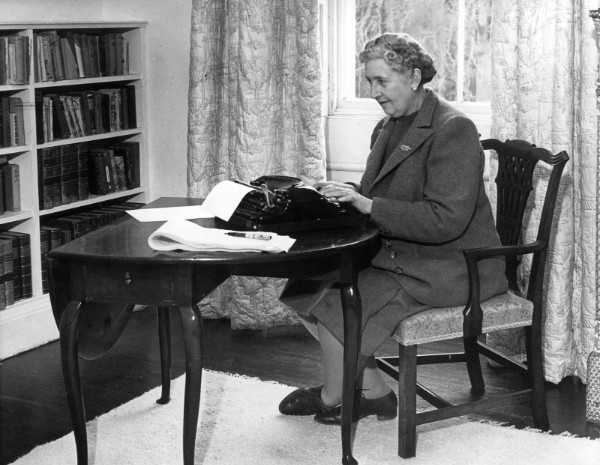
Agatha Christie in 1946
Christie was a keen observer of human nature, a master of timing, and a storyteller whose narrative pulses with rhythm and subtlety.
As we commemorate the anniversary of her 50th passing, let’s discover a lesser-known facet of her genius. And I am talking specifically about her deep connection to classical music and the subtle ways it shaped her writing.
Ron Goodwin: “Miss Marple Theme”
Early Notes
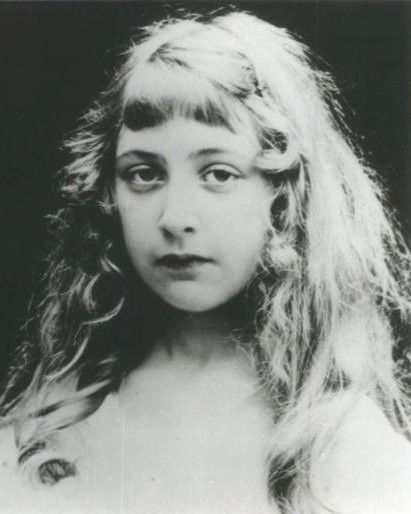
Agatha Christie as a child
Born in 1890 in Torquay, England, Agatha Christie grew up in a household steeped in culture. Her mother, Clarissa Margaret Boehmer, had Irish connections through birth and family, and she fostered a love of literature, art, and music in the home.
Christie learned piano and the mandolin from a young age, though she never pursued them professionally. She did at some point harbour ambitions to become a concert pianist or opera singer, but apparently suffered from extreme stage fright and nervousness.
These formal piano and voice lessons took place in her teens at a finishing school in Paris. Supposedly, she composed her own music, including a waltz at age 17 titled “One Hour With Thee,” and she might possibly also have written song lyrics under different pseudonyms.
Wolfgang Amadeus Mozart: Piano Sonata in C Major, K. 545
Inspired by the Classics
Her lifelong passion for music extended beyond the piano and the concert hall to the grandeur of the operatic stage. She was a devoted admirer of Richard Wagner, drawn to the sweeping drama and emotional intensity of his works, and she even travelled to Germany to experience performances at the legendary Bayreuth Festival.
Other favourites included the lush, sweeping melodies of Edward Elgar, the Nordic tones of Jean Sibelius, and the timeless clarity and elegance of classical staples like Bach and Mozart.
The idea that classical music influenced the rhythm and structure of her writing is a common literary analysis. Christie herself discussed pacing in her autobiography, noting how her stories build like compositions.
Richard Wagner: Tristan and Isolde, “Prelude and Love-Death”
Stories like Symphonies
Just as a symphony builds tension and resolves it, Christie’s novels manipulate suspense with a similar precision. In Murder on the Orient Express, for instance, she constructs a delicate interweaving of characters and motives, each revelation acting like a musical phrase that guides the reader toward the finale.
Christie herself acknowledged the importance of rhythm in writing. Her prose is deceptively simple, yet it carries an almost musical cadence. Each clue is like a note in a larger score, racing towards a final reveal where everything falls into place.
Christie’s novels frequently reference classical music directly, revealing her own tastes and the cultural milieu of her time. In The Mysterious Affair at Styles, one of her earliest works, there are references to familiar concert pieces and operas that would have been known to her readers.
Pyotr Ilyich Tchaikovsky: Swan Lake, “Finale”
Harmonics of Mystery
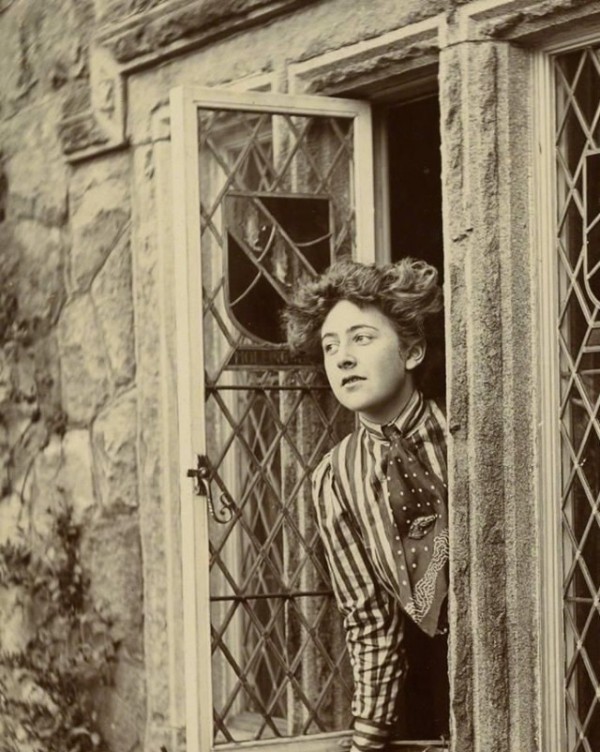
Agatha Christie as a young woman
Music for Christie was not background information but part of character development, social commentary, and the atmosphere she masterfully created. Just look at characters like Hercule Poirot, the meticulous Belgian detective.
In The Clocks of 1963, Poirot explicitly expresses his fondness for classical music. He is depicted as appreciating music for its order, structure, and calming influence on the mind. This aligns closely with his emphasis on method, symmetry, and mental discipline when solving puzzles.
Christie’s short story “Swan Song” from The Listerdale Mystery of 1934 directly indulges her love of opera, featuring a temperamental soprano inspired by real-life singer Maria Jeritza and exploring music’s emotional power in a murder plot.
Maria Jeritza sings Puccini: Tosca, “Vissi d’arte”
The Sound of Genius
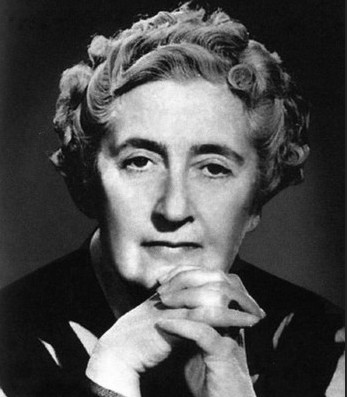
Agatha Christie
As we remember Agatha Christie on the 50th anniversary of her passing, it becomes clear that her genius went far beyond clever plots and unforgettable detectives. Her love of classical music shaped the rhythm, pacing, and emotional depth of her stories.
Music informed the way she built suspense, developed characters, and orchestrated her intricate mysteries, turning each novel into a carefully composed narrative symphony.
On this milestone anniversary, we celebrate not only her unmatched skill as a storyteller but also her extraordinary sensitivity to the musical currents that quietly pulse through her writing. Christie’s mysteries continue to enchant, thrill, and resonate, a lasting testament to a life lived in rhythm, imagination, and grace.
For more of the best in classical music, sign up for our E-Newsletter