This new album from Israeli pianist Yehuda Inbar, released ahead of György Kurtág‘s 100th birthday in February 2026, brings together music written over 200 years apart – a selection of pieces from different Ordres by Couperin and from various books of Játékok (‘Games’) by Kurtág, which juxtaposed and intertwined, reveal unexpected musical and conceptual connections and reflections between the music of the both composers.
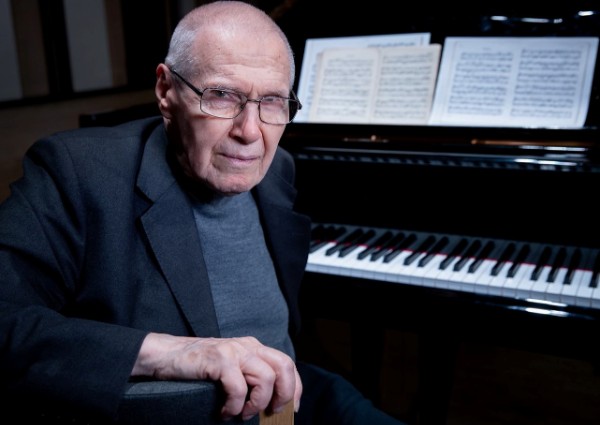
György Kurtág
This is not the first time Inbar has combined the contemporary and the past. His debut disc, an investigation of Schubert’s identity through the composer’s unfinished sonatas, included music by Michael Finnissy and Jörg Widmann. By bringing seemingly unrelated works together, Inbar creates intriguing programmes where new light is thrown on the old, and vice versa.
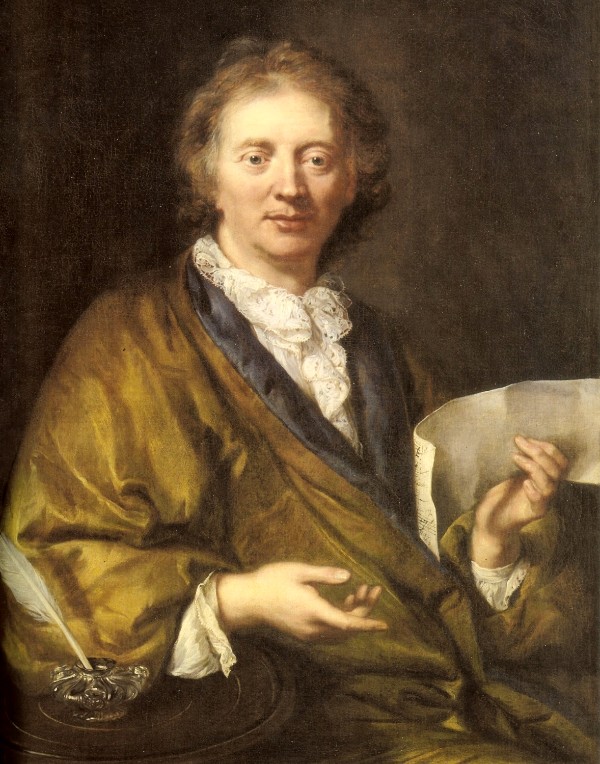
François Couperin
The title of the album is taken from the final piece on the recording, and reflects how Couperin’s and Kurtág’s music is richly inspired by nature, portraying in sound flowers, birds, plants, light and shadow, the play of water, and more. Often imbued with symbolism, these depictions of nature serve as commentary on and allegories for the human soul and human existence.
Játékok, Book I: Twittering
In addition, many of Couperin’s and Kurtág’s pieces are autobiographical portraits and homages to figures often in their personal lives. Kurtág dedicated many of his pieces to his wife and close musical collaborator, Márta; some to close friends, to mark occasions such as birthdays or farewells; as well as homages to other artists and composers, including Bach, Schubert, Webern and others. Like Kurtág , Couperin, one of the leading clavecinistes of his day, enjoyed paying tribute in his music to members of the French court, Mademoiselle de La Plante (a famous harpsichordist of the time) or his contemporary Jean-Baptiste Lully, amongst others.
Pièces de clavecin, Livre II, Ordre VI: No. 5, Les baricades mistérieuses
Thus, there are surprisingly strong connections between these two composers, despite a gap of over 200 years between them.
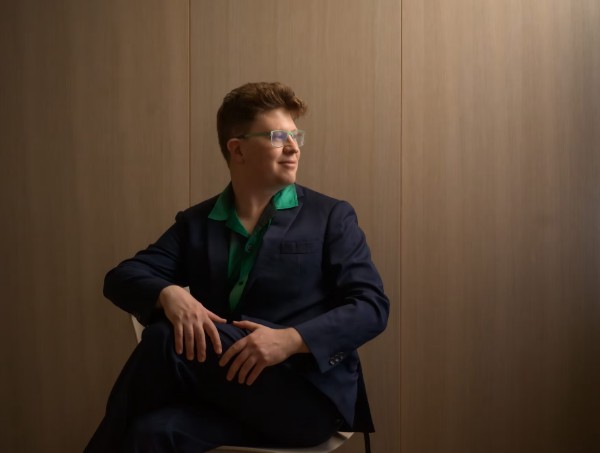
Yehuda Inbar
Kurtág’s Játékok, comprising short pieces, some only moments long, often idiosyncratic or aphoristic, provides the perfect foil for Couperin’s writing, and Yehuda Inbar has been careful to select pieces which contrast and complement one another. For example, Kurtág’s sparse Prelude & Waltz in C, lasting just over half a minute, with its repetition of the note of C, becomes the prelude to the repeated notes in Couperin’s Le Tic-Toc-Choc. Elsewhere, Kurtag’s pieces act like little palate cleansers, their piquancy or atonality contrasting with Couperin’s elegance and consonance.
Pièces de clavecin, Livre III, Ordre XVIII: No. 6, Le tic-toc-choc, ou les maillotins
Overall, this is a most intriguing and enjoyable recording. Beautifully presented, Inbar makes an excellent case for playing music for harpsichord on the modern piano: his appreciation of the architecture of Couperin’s music is paired with supple phrasing, sensitive articulation, subtle dynamics and a glowing tone. He brings a delightful playfulness and wit to Kurtag’s miniatures.
Játékok, Book II: Knots
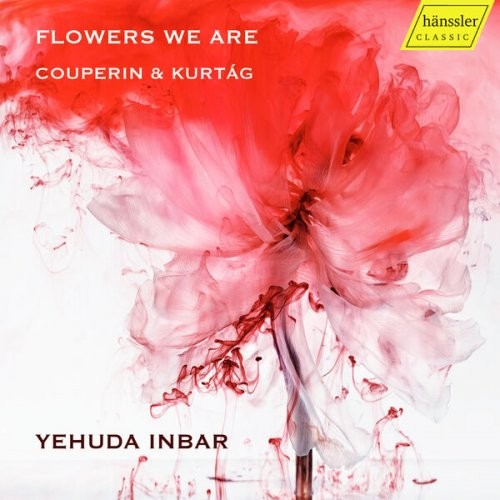
Flowers We Are is released on the Hännssler Classic label on CD and streaming
For more of the best in classical music, sign up for our E-Newsletter