This quote is from an episode of Masterchef: The Professionals, a TV series to which I am addicted. It’s from a professional chef, a finalist in one season of the competition, and it struck a chord with me the moment he said it.
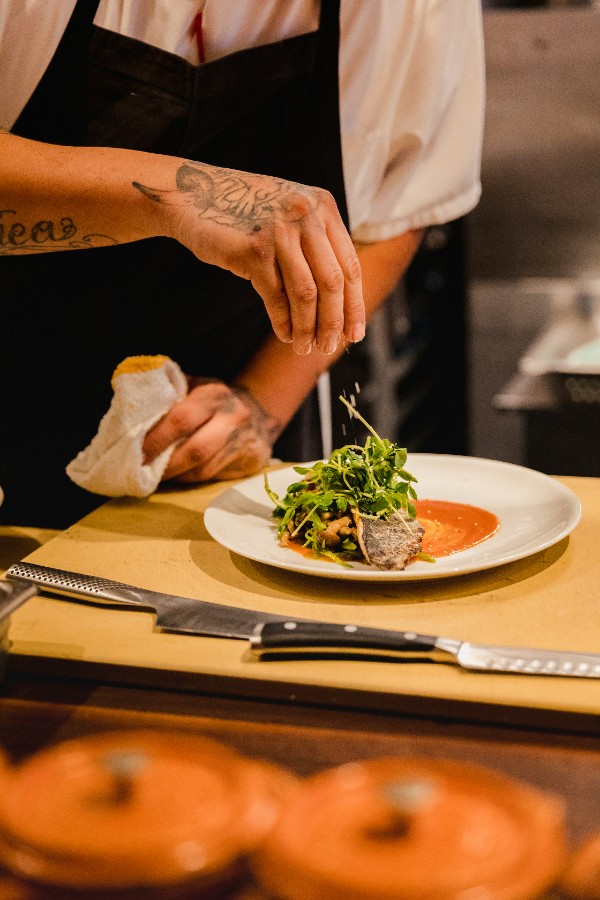
© Jason Leung on Unsplash
Why? Because the phrase “You can’t taste technique”, while in the example above, refers to culinary arts, also captures a profound truth about musical performance: while technical mastery is essential, it is never the ultimate goal. In piano playing, technique provides the means through which expressive intent is realised, but it is not the substance of the art itself. Just as a beautifully prepared meal is valued for its flavour rather than the precision of the chef’s knife work, a piano performance moves us through sound, emotion, and imagination – not through the display of dexterity alone.
Technique, in its most basic sense, is the pianist’s physical control over the instrument: accuracy, finger strength, coordination, and tone production. It is the foundation on which artistry is built. Yet, audiences do not attend concerts to witness exercises in coordination; they come to be transported by an expression of sound that stirs the emotions and speaks to the human condition. When a pianist performs Chopin’s Nocturnes or Rachmaninoff’s Preludes, the beauty lies not in the number of hours spent mastering scales or octaves, but in the capacity to shape phrases, create colour, and evoke feeling. A listener may admire flawless execution, but it is emotional resonance that lingers long after the final chord has sounded.
Olivier Messiaen: Quatuor pour la fin du temps (Quartet for the End of Time) – VIII. Louange a l’immortalite de Jesus (In Praise of the Immortality of Jesus) (Martin Fröst, clarinet; Janine Jansen, violin; Torleif Thedéen, cello; Lucas Debargue, piano)
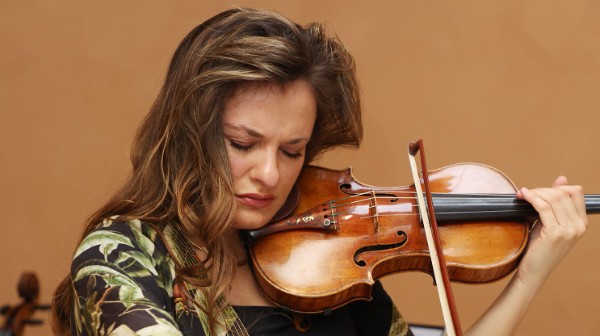
Nicola Benedetti
The quote also invites pause for thought on the dangers of confusing facility with artistry. In today’s musical culture – where recordings and competitions often prioritise perfection – there is a temptation to equate precision and speed with excellence. Yet this approach risks producing performances that are technically impeccable but emotionally sterile. A pianist who focuses solely on accuracy may play “correctly” but fail to communicate the spirit of the music. The notes, though polished, may lack narrative or character. Great artists, by contrast, use technique in service of expression: their virtuosity disappears behind the music’s emotional message. We do not “taste” the technique; we experience the artistry.
Maxim Vengerov plays Mendelssohn Violin Concerto (2021)
Moreover, the quote is a useful reminder that musical communication is sensory and emotional, not mechanical. The listener’s experience is shaped by sound, colour, timing and silence – the expressive choices that bring a score to life. Technical perfection alone is not a substitute for imagination or sincerity. As Alfred Brendel is widely quoted as saying, “Technique is only meaningful when it enables interpretation.” Thus, the pianist’s insight, experience, curiosity and emotional engagement breathe meaning into what might otherwise be mere sound.
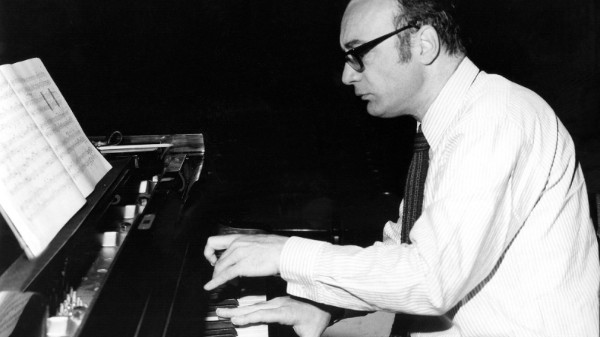
Alfred Brendel
Ludwig van Beethoven: 6 Bagatelles, Op. 126 – No. 3. in E-Flat Major: Andante (Alfred Brendel, piano)
Finally, “You can’t taste technique” implies that the truest performances are those where technique is invisible. When the pianist’s control is so complete that it no longer draws attention to itself, the listener can fully engage with the musical story. Technique thus becomes a silent partner in expression.
In essence, this quote is a reminder that music is a living art, not an athletic feat. The pianist’s challenge is not merely to master technique, but to transcend it – to turn skill into sound, and sound into meaning. The artistry that moves the heart, not the mechanism of the fingers, is what endures.
For more of the best in classical music, sign up for our E-Newsletter