2025 was a year in which Chinese classical music found itself moving simultaneously outward and inward: expanding its international presence while confronting geopolitical, institutional, and structural realities at home. From orchestras touring abroad and Chinese musicians winning major international competitions, to cancellations driven by politics, leadership changes at major institutions, and experiments that challenge long-held conventions, the year revealed a field in motion.
These ten stories do not attempt to be comprehensive. Rather, they capture moments where music intersected with diplomacy, policy, education, ambition, and identity, offering a snapshot of what truly mattered in and around China’s classical music scene in 2025.
Still on good terms
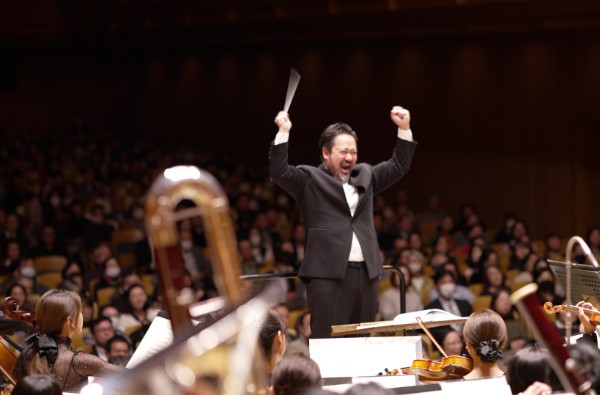
© Shenzhen Symphony Orchestra
The Shenzhen Symphony Orchestra launched its first-ever Japan tour in November under the baton of Lin Daye, SZSO’s Music Director and President, when the two countries were still on good terms.
The tour was intended as a cultural bridge between musicians in China and Japan and aimed to foster closer mutual understanding, Lin said shortly before the first sold-out concert at Tokyo Opera City Concert Hall on 4 November.
The orchestra stopped in Tokyo, Nagoya and Kyoto, presenting two concerts of a single programme featuring Chinese, Japanese and Western music, along with an educational programme comprising two masterclasses and a concert at the Nagoya College of Music spotlighting young Japanese soloists and a conductor.
Some critics and industry insiders felt that the Shenzhen Symphony delivered a powerful and confident sound.
Shenzhen Symphony Orchestra Delivers Powerful Sound
Cancellations after cancellations
Anti-Japanese sentiment that permeated China led to the cancellation of numerous performances, shows and concerts by Japanese musicians holding Japanese passports from mid-November onwards.
In most cases, these events were organised by Chinese promoters, who had to absorb the financial losses caused by full ticket refunds, while also seeing their professional credibility damaged.
In 2016, South Korea decided to deploy THAAD amid protests from the Chinese government. Nearly a decade later, most Korean musicians holding South Korean passports are still unable to obtain Chinese work visas and therefore cannot perform publicly in China.
With Japan now added to the blacklist once again, audiences are unlikely to see Japanese or Korean musicians performing in China in the coming years unless foreign policy shifts.
The Ye Xiaogang phenomenon
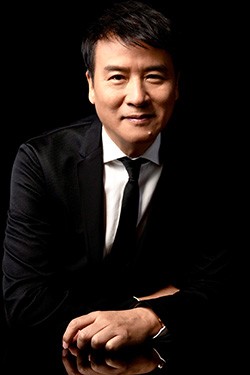
Ye Xiaogang
In 2025, Ye Xiaogang’s music was performed on a remarkable international scale, spanning four countries and regions, involving more than twenty orchestras and ensembles, and encompassing over thirty distinct works across nearly fifty performances.
The schedule confirms his position as one of the most widely performed Chinese composers of his generation, with a repertoire that moves fluidly between symphonic, concerto, vocal, chamber, ballet and operatic forms.
Rise of a provincial orchestra
For the first time in its nearly 70-year history, the Hefei-based Anhui Orchestra announced its inaugural concert season at the Baixi Theatre.
Unveiled on 15 July during a press conference and open rehearsal, the 2025 season comprised twelve concerts, four of which were led by the orchestra’s newly appointed Music Director, Hu Yongyan, a Yale graduate, at the theatre’s main hall, now the orchestra’s new home. The remaining concerts featured performances by the Anhui Chinese Orchestra, which is affiliated with the Anhui Orchestra. The season ran through November.
Anhui Orchestra announces inaugural season
Chinese music travelled abroad
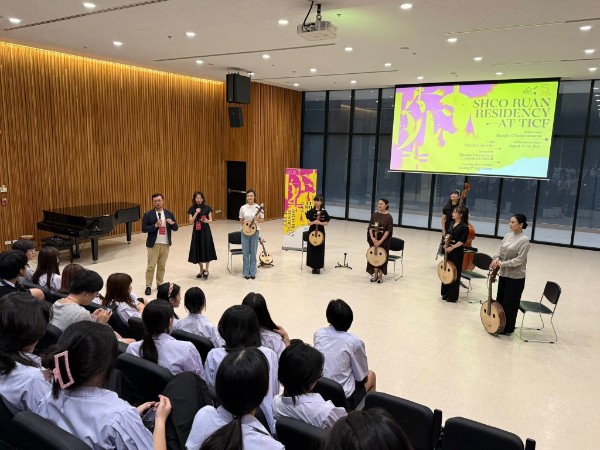
© Thailand International Composition Festival
The Shanghai Chinese Orchestra’s PX Ruan Soloists launched their inaugural residency programme at the 20th Thailand International Composition Festival (TICF) in August with a ruan recital at a pre-college auditorium.
TICF, an annual contemporary music festival in Thailand, is hosted by Mahidol University’s College of Music, chaired by Dr Narong Prangcharoen, one of Thailand’s most prominent composers. The residency also included a chamber music concert at MACM, followed by a workshop curated and led by Liu Bo, principal ruan of SHCO. The three-event residency was a joint initiative of TICF and SHCO.
SHCO launched inaugural residency at TICF
A competition like none other
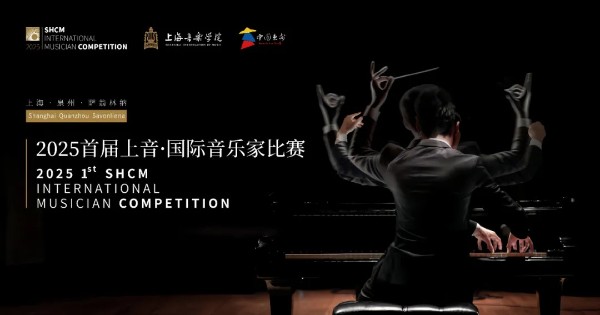
Twenty accomplished pianists from around the world travelled to Quanzhou, an ancient Chinese port marking one end of the Maritime Silk Road. They came not only to compete, but also to collaborate and learn from one another. This was not a contest designed to determine the “best” pianist, but one intended to nurture better musicians.
I was in Quanzhou in late October for the inaugural Shanghai Conservatory of Music (SHCM) International Musician Competition, jointly hosted by the Conservatory, Hui’an District of Quanzhou, and the Municipality of Savonlinna in Finland.
Awkward as the title may sound, it conveys something essential about the event’s philosophy. Contestants were tested not only as soloists, but as collaborative musicians: working with string players in chamber music, coaching singers in liederabend, and, in the final round, leading from the keyboard in a concerto.
Leon Chen on Why Pianists Should Look Beyond the Keyboard
Meet the champion
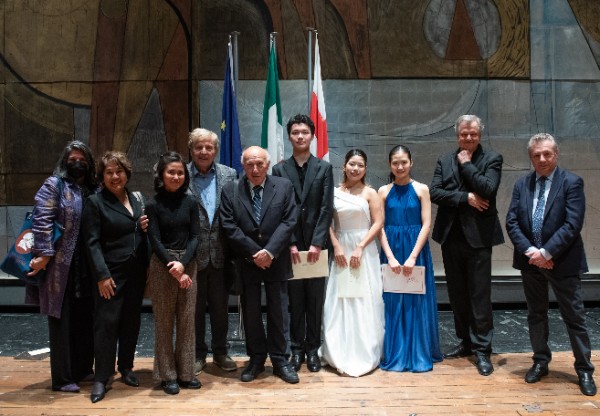
58th International Violin Competition “Premio Paganini” © premiopaganini.it
The 2025 Premio Paganini Violin Competition crowned Aozhe Zhang, a 17-year-old violinist born in Hefei, China, as its winner.
Zhang performed Paganini’s Violin Concerto No. 1 in D major, Op. 6, and Tchaikovsky’s Violin Concerto in D major, Op. 35, impressing the international jury with his virtuosity, poise and emotional depth. The panel, chaired by Uto Ughi and comprising musicians from Europe, the Americas and Asia, awarded him first prize unanimously.
Second place went to Rino Yoshimoto of Japan, while Kim Hyun Seo of South Korea placed third.
Aozhe Zhang plays Paganini
From tenor to director
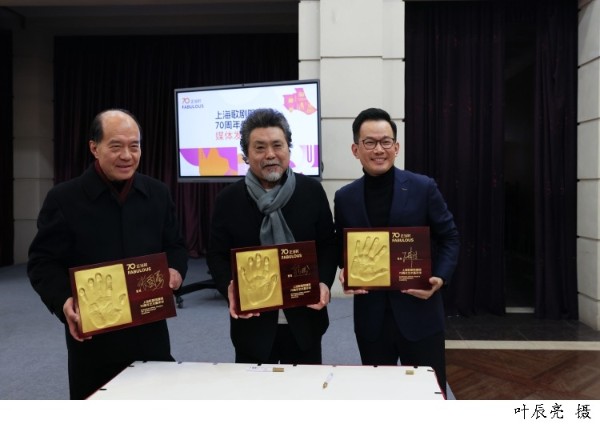
Shi Yijie (right) with two former directors of the Shanghai Opera House
On 11 November, the Shanghai Opera House announced the appointment of tenor Shi Yijie as its new Director at a leadership meeting convened by the Party Committee of the Shanghai Grand Theatre Arts Centre.
Currently Professor and Vice Dean at the Music College of Hunan Normal University, Shi is an internationally active opera singer with nearly two decades of stage experience, having appeared in more than 40 operas and given over 500 performances worldwide. In his remarks, he described the role as a new starting point, outlining priorities that include artistic innovation rooted in Chinese culture, international engagement, and the cultivation of young talent.
The marathon
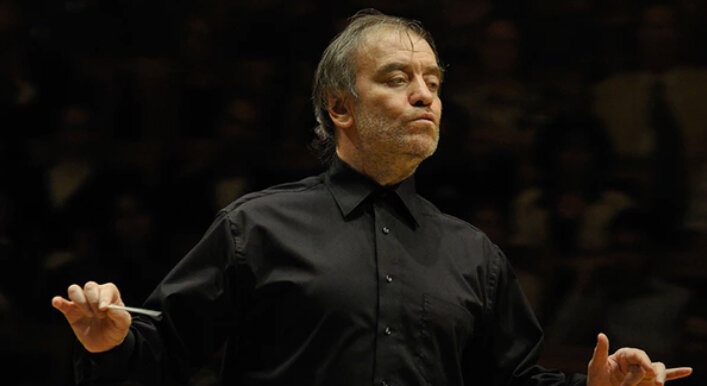
Valery Gergiev © medici.tv
Under Valery Gergiev’s direction, the Mariinsky Symphony Orchestra opened its symphonic programme on 12 October at the Shanghai Oriental Art Centre with an unprecedented cycle of all nine Mahler symphonies, achieved over just five days, a world record.
The feat coincided with the 165th anniversary of Mahler’s birth, which the Mariinsky marked throughout the year. The Shanghai schedule included Symphonies Nos. 7, 4 and 5 on 12 October; Nos. 1 and 3 on 13 October; No. 2 (Resurrection) on 14 October; No. 8 (Symphony of a Thousand) on 15 October; and Nos. 6 (Tragic) and 9 on 16 October.
Mariinsky unveils Mahler marathon at SHOAC
A deal! But why now?
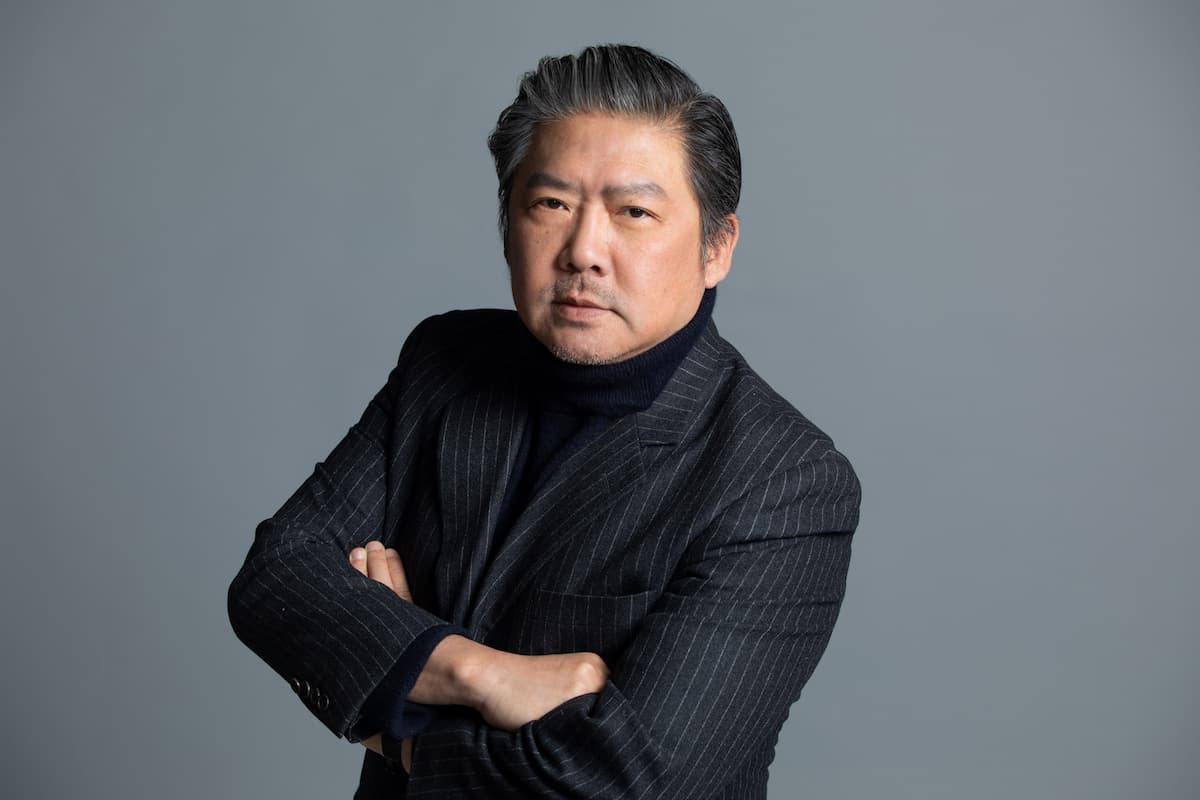
Long Yu
It was announced on 1 April, and this was no April Fool’s joke, that Long Yu, China’s most sought-after conductor and a formidable cultural entrepreneur, had signed with Arcadia Innovative for general management in mainland China.
The immediate and unavoidable question remains: who represented Long Yu before?
For more of the best in classical music, sign up for our E-Newsletter