In a previous article, we looked at how Debussy, Satie and Ravel changed the direction of music, one would say, forever. If they were all contemporaries of each other, and interacting with each other would have directly influenced the development of their music, there is another group of musicians one could look at.
Another trio of composers, who this time have lived at different moments and not met, yet whose music has not only had an influence on each other, but who, in their own ways, have also modified the course of music history. These three musicians are Beethoven, Wagner and Schoenberg — three major figures in music, and three who cannot be ignored when it comes to understanding music as it evolved, and as it is today.
If not contemporaries of each other, Beethoven, Wagner and Schoenberg have nevertheless changed the course of music, each in their own way, and have, through a very short span of time, created a unique path, based on the exploration of sound.
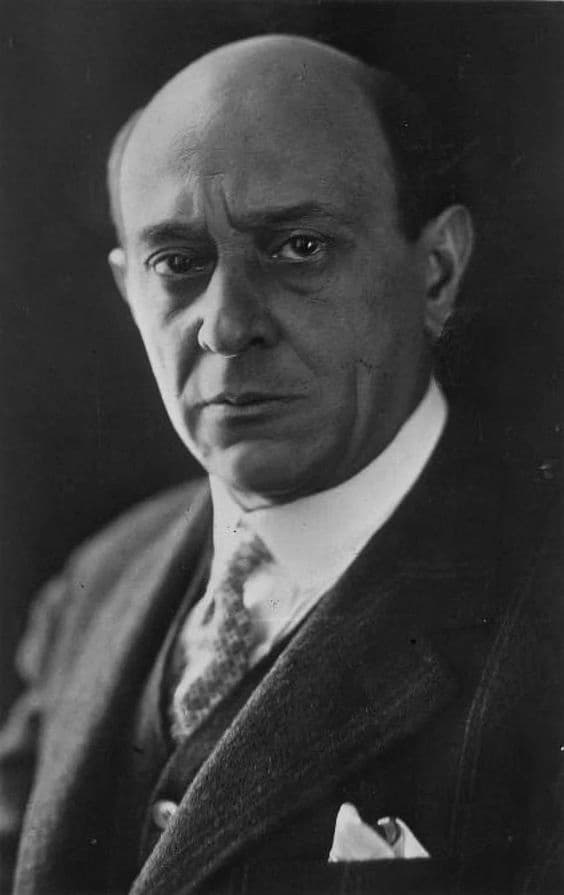
Arnold Schoenberg
Let’s start with the composer whose musical revolution is the most evident, and this is perhaps due to how it defies tradition and natural laws. When Schoenberg devised his system of music and created the concept of atonality through the Second Vienna School — and going against the grain, not only of physical laws of music in place since Ancient Greece, but also of decades of musical development and tradition building based on rules established by the Germans themselves —, Schoenberg opened a Pandora box for music, which was never to be closed again.
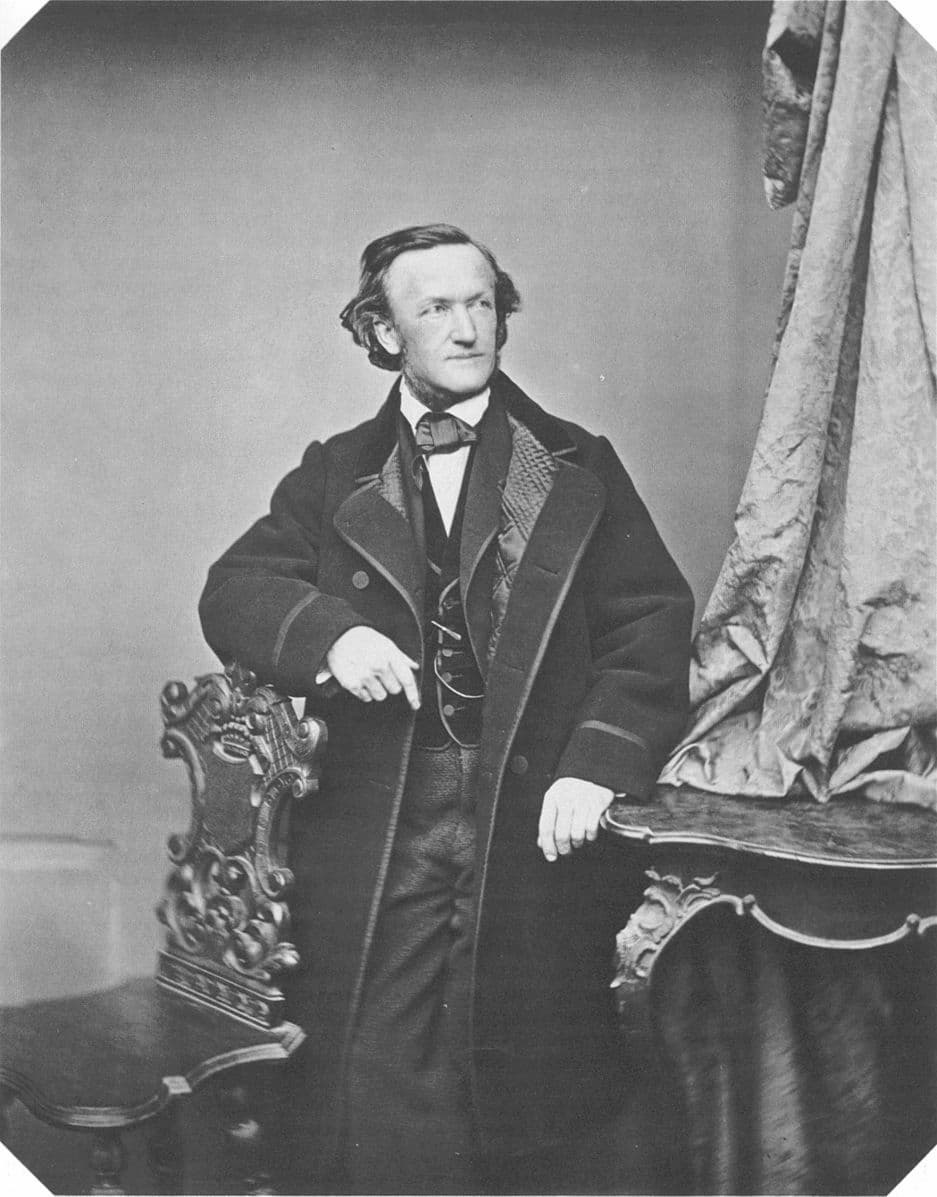
Richard Wagner, 1860
Wagner, like Schoenberg, always seems to be a controversial figure; he is either adored or despised. His music is one of grandeur, exaggeration and superhuman dimensions, both in structure and in intention. Nevertheless, one cannot ignore the impact it has had on the music world. From revolutionary harmonic and melodic initiatives, to a unique approach to multi-medium art, and of course a sense of grandeur which pushed the limits of orchestral writings and forced musicians to expand their boundaries. Without Wagner, there is no Debussy, Satie and Ravel, and there is no Schoenberg either. Film music, which today has replaced opera as the main medium of audiovisual performance, has its roots anchored in the music of Wagner.
The Tristan Chord
Last but not least, the least revolting to our current standards of acceptance, but perhaps the one that has had the biggest influence on the world of music, Beethoven.
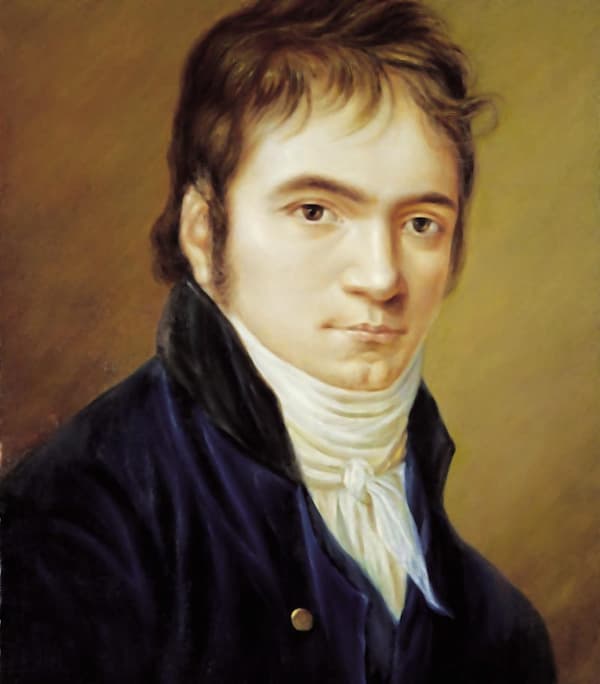
Beethoven in 1803
The German composer has been at the junction of two important changes in the musical world — with the transition of the Classical period to the Early Romantic period, where placing the individual and natural emotions is the central point of focus, and focusing on the art rather than the craft the guiding line— two important shifts in style—, as well as allowing the composer to become an entity on its own, rather than at the service of functional music. And of course Beethoven’s music is unique; breaking conventional rules and structure, pushing instrumental and orchestral progress, looking at rhythm, melody and harmony outside of their accepted standards — and particularly when it comes to the relationship between consonance and dissonance.
Beethoven: Grosse Fuge, Op. 133 (Danish String Quartet)
Out of these three composers, Schoenberg is perhaps the most radical in his approach to change and breaking with tradition. This is also why he is the least popular. His music is often difficult to comprehend and challenges the ear. Beethoven, on the other hand, has defied the laws of natural music with much more balance and discretion, and therefore, if at the time his music was perceived as revolutionary, it is nowadays widely recognised as being some of the greatest ever created. And when it comes to Wagner, who somehow is always controversial with musicians, for some his music is too flamboyant and heavy in musical ideas, and for others it is the ultimate artistic goal, the perfect measure of creative material.
For more of the best in classical music, sign up for our E-Newsletter