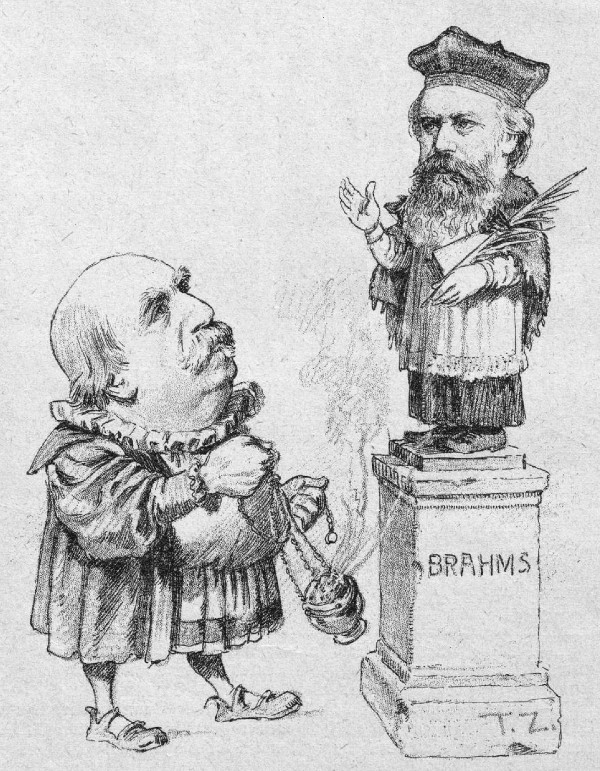
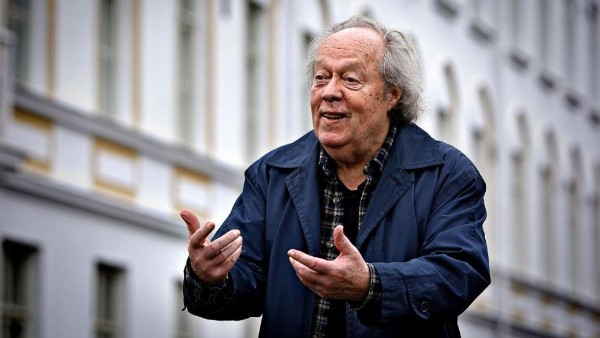
Music and meditation, for composers… Cage has many times drawn parallels between spirituality and music, and his approach to music was very akin to a meditative practice. He would often perceive his music as meditations to measure the passing of time, and saw himself, the artist, often in deep thoughts. 4’33” is a great example of the Buddhist reflection on form and emptiness, and what music is and what it is not. In his minimalist, slow and sparse music, Feldman creates a meditative state, both from the performer’s perspective and the listener’s.
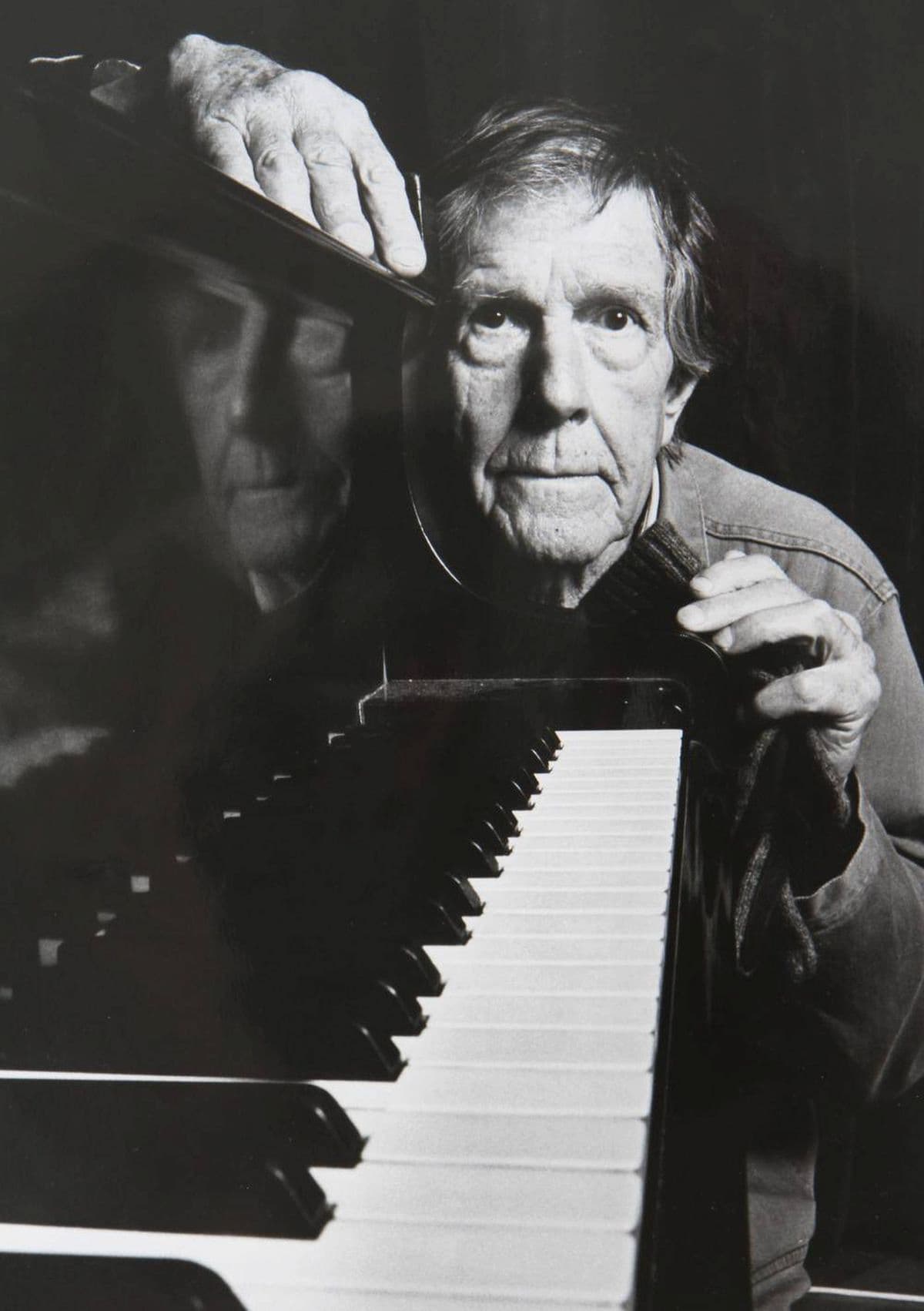
John Cage
The fathers of minimalism — Glass, Reich, Riley and Young — were all sharing ideas of repetition, drones and music complexity derived from meditative states. In fact, the minimalists have in fact often approached their works with this intention in mind. A direct result of the influence of Cage on them. Cage follows the Zen tradition of Buddhism, whilst Glass, for instance, follows the Tibetan. Riley, involved meditation in his approach to creating music; whether it is through the trance improvisation studies — ie, his Keyboard Study — or the development of long, pulses and grooves creating mantra motifs evolving over time.
John Cage’s 4’33”
Stockhausen, on the other hand, often perceived his music as intuitive and would indicate to his performers to forget about their playing whilst performing his works. Crumb, with his Makrokosmos, offers a Buddhist musical modernist approach to composing — in a less acknowledged manner than some of his peers, such as Cage — where the border between silence and sound as musical actors is blurred. Takemitsu, a Japanese composer, also incorporates the influence of Zen in his music practice and once explained that he designs gardens with music.
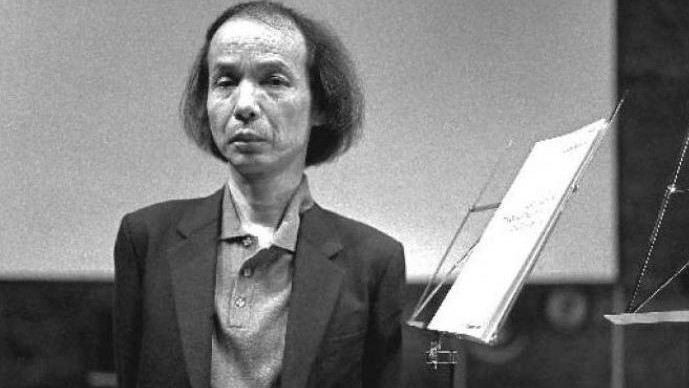
Tōru Takemitsu
Last but not least, the British composer Brian Eno, the father of ambient music as we know it today, is well known for creating meditative music — even though it might not always be its primary intention; Music for Installation is a great example of some of his most introspective works, both for the listener and the performer.
And now, for performers… Music performance has the quality to detach the musician from the current world, creating a space for focus and concentration. However, just like meditation, one has to practice, and concentration comes and goes. It is not an easy exercise, and time and devotion are needed to reach success. In fact, many performers will mention a high level of mental exhaustion after long hours of practice or an intense public performance. Research has shown that the level of concentration and focus required to perform an instrument at a professional level provides similar results to the brain as long sessions of meditation.
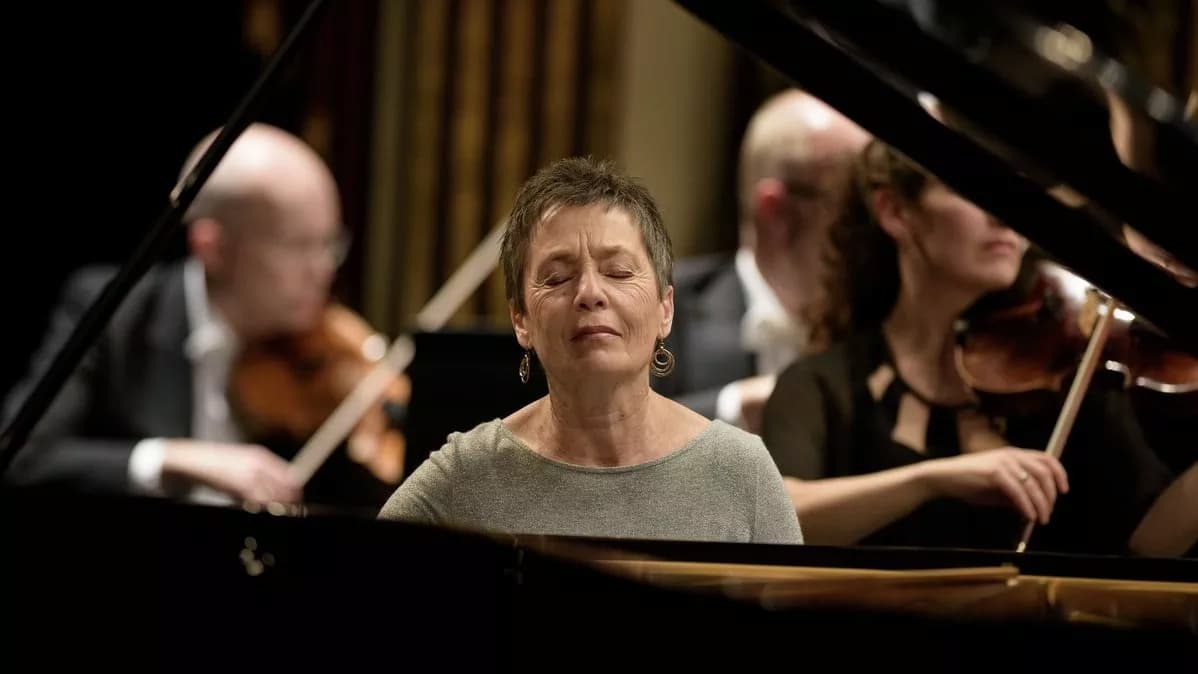
Maria João Pires © classicosdosclassicos.mus.br
Pianist Maria João Pires explains how she perceives music as meditation — she describes how the musician is aware of the action rather than wanting to be active in the practice of the instrument. Pires adds that technique is a long process and results in a knowledge of the body which one has to surpass the simple act of practice and accept the fact that it is always changing. Recently, British pianist Christina McMaster has made it a central focus of her career, and focuses on the healing qualities of music, a tradition as old as the lost civilisations of Egypt, Greece and India. In a way, there is much to be shared between the monk and the musician.
For more of the best in classical music, sign up for our E-Newsletter