There is no genre of music which puts so much emphasis on the past as much as Western classical music. In fact, there are very few artistic mediums which focus so much on the past than music. Perhaps painting. In the visual arts, though, we have created environments for the new and environments for the old. And together, they coexist. In London, for instance, Tate Modern coexists with Tate Britain. In Paris, Pompidou with Orsay. In music, it is different. Even the most contemporary musical centres still promote the old over the new. And somehow, it is also always the same repertoire. Why is it that classical music cannot seem to be able to look ahead then?
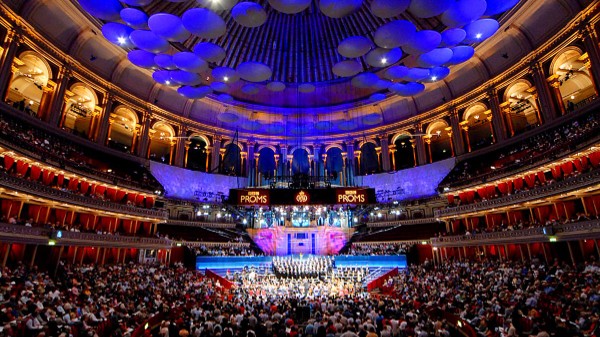
BBC Proms
In the United Kingdom only, a quick skim through current musical programmes allows one to assess that most of the music performed in concert halls focuses on past composers. Surely, the amount of living composers has never been greater. Especially in the United Kingdom. Yet, all major events, such as the BBC Proms, focus on the past. The old sells. The last night of the Proms in 2025 will see Mussorgsky, Hummel, Gounod, Dukas and of course Britten and Elgar, and many others.
But it is not just in the United Kingdom, opera houses around the world often focus their seasons on a composer of choice, focusing on the catalogue and looking at less famous works. These are still the works of past composers. In 2025, it is Puccini and Handel who will take the frontline at the Paris Opéra.
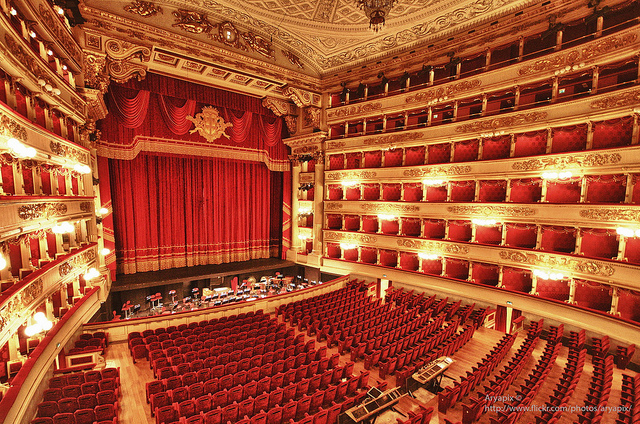
© opera-diary.com
Out of all the currently living composers, very few are allowed the entrance to concert halls pre-mortem, it seems. They are, for most of them, only allowed in the smaller venues. And when they get the keys to the major houses, it is only after years of battling for a place with their ancestors.
However, this has not always been the case historically. Just like popular music today, classical music used to be focused on the new, on composers working towards getting commissions and progressing, on music that was being created in the moment.
Composers were not expected to live off the same material forever, but rather to come up with new and exciting music. The competition was tough too — each composer wanted to work for the finest patron, crown or church. The most important names, Bach, Handel, Mozart, Haydn, Beethoven, and so on, all performed like that.
As Western classical music grew out of Christianity, it was intended to accompany religious services, and coming up with new dedicated material was the daily expectation of the appointed composers. The repetition of the old was not advised either. Music was dedicated to God and a testament of dedication and discipline.
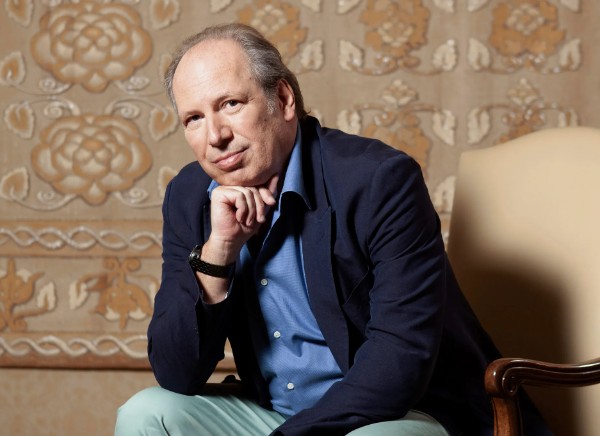
Hans Zimmer
But then music, over the centuries and just like many things, became an industry… and entered the world of Hollywood. So much so that today some of the most successful composers are in fact film composers, such as Zimmer. The irony of it all is that now film music has entered the concert hall, and rather than taking up space in cinemas, it takes life in music venues. It is quite common to see listings of soundtracks being performed in their entirety, to the projected film, or not. What a three-hundred and sixty surprising twist; music for images, without the images.
Bach was not brought to the forefront before Mendelssohn exposed him again to the world, and most composers after their death would fall into oblivion. It was all about the new, until somehow, it shifted towards the old. Somehow, a fascination for the past, rather than the present, developed. But the promotion of old music in disfavour of new music is not a consequence of a lack of quality from existing composers. In fact, there are a plethora of immensely talented composers all over the world. Inventive, creative and curious musicians who perhaps deserve a better place in concert halls…
For more of the best in classical music, sign up for our E-Newsletter