Recently, it seems more artists are cancelling performances due to injury. Although injuries are not new, perhaps we are seeing more openness in elite performers to admitting to vulnerability, and there is more awareness of the risks and potential long-term effects of playing in pain.
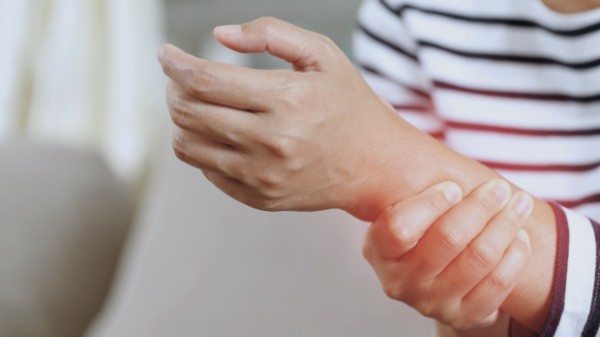
The list of musicians withdrawing includes the topmost artists performing today. The British cellist Sheku Kanneh-Mason just posted on social media, “Dear friends, I have recently sustained an injury to one of the fingers on my left hand and have been advised by my consultant to refrain from playing the cello while it heals. It’s with great sadness that I have had to cancel my concerts through the remainder of 2025. I really look forward to returning to the concert platform in 2026.”
Heitor Villa-Lobos: Bachianas brasileiras No. 1: II. Prelude (Modinha): Andante (arr. S. Parkin for 5 cellos) (Sheku Kanneh-Mason, cello; Hannah Roberts, cello; Ben Davies, cello; Desmond Neysmith, cello; Max Ruisi, cello)
And the superb violinist Hilary Hahn has once again had to announce the cancellation of recitals in early December, due to her ongoing recovery from a double-pinched nerve in 2024. Perhaps you recall that Hahn returned to the concert stage in February 2025 following a seven-month hiatus due to this nerve injury, but in August she withdrew from performances through November of this year, and now this:
“While I thought I was fully recovered from my injury last season, I’m not. I am so sad to say that I must cancel my performances through November. I’m proud of the year of hard work it took to get back to the stage. It was amazing to play music with colleagues and for audiences again. This time, I’ll be pursuing a more aggressive treatment. I have a great support team in place: they are optimistic, and the prognosis is good. I have a lot more left to say on the violin, and I’m not giving up! I will miss you, and I hope to see you all soon.”
A consummate artist, Hilary has recorded virtually every concerto. Her commissioning program is especially wonderful. Here is one of the selections from In 27 Pieces: The Hilary Hahn Encores, the beautiful Bifu by Somei Satoh
Somei Satoh: Bifu (Cory Smythe, piano; Hilary Hahn, violin)
Non-playing injuries can plague us, of course. Violinist David Garret had to cancel numerous concerts due to a herniated disc, and Dutch violinist André Rieu, who played waltzes, suffered from vestibular neuritis – debilitating vertigo that required months of treatment and rest.
There have been some happy endings. Cellist Mischa Maisky cancelled several months of concerts last year due to a major health issue that required six months of rehabilitation. Recovery was slow and painstaking, and returning to the stage took supreme effort. But he is back.
The British cellist Julian Lloyd Webber announced this month that he is returning to play again for the first time in a decade in celebration of his 75th birthday. The concert at London’s Wigmore Hall on 14 April 2026 will benefit the charity Music Masters and will coincide with the release of Lloyd Webber’s autobiography.
Lloyd Webber was forced to retire in 2014. Due to a herniated disc in his neck, he lost power in his bow arm. Webber told Strad magazine that he was motivated to try to play again after hearing his teenage daughter, Jasmine, “express regret that she’d never seen me perform live.” He indicated to me that at the moment “everything hurts” as he slowly tries to play again, starting with 15 minutes and now tentatively attempting 30 minutes.
Cancelling concerts and tours is increasingly common among pop musicians, too, mainly for physical strain. We are reminded that artists, like the rest of us, are human, and their bodies can only handle so much demanding touring before needing a break!
Recently, Lady Gaga postponed her long-awaited “Mayhem Ball” Miami show just before the doors opened in September 2025, due to vocal strain, noting that “during rehearsal last night and my vocal warmup tonight, my voice was extremely strained, and both my Dr. and vocal coach have advised me not to go on because of the risk it poses.” Adele cancelled her final Wembley shows due to compromised vocals, and singer-songwriter Jenson McRae also cancelled her Toronto show in October 2025 due to extreme vocal strain.
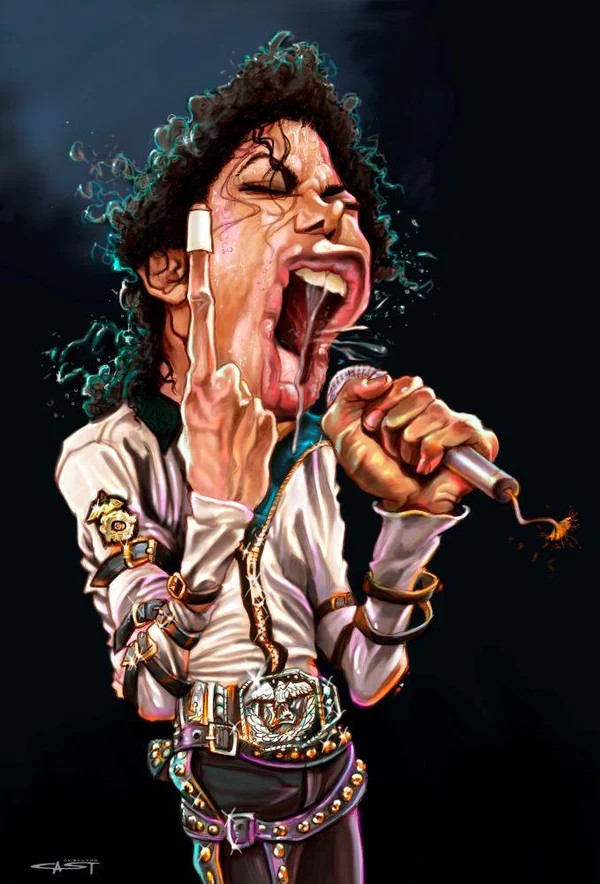
Michael Jackson
Overuse has plagued countless musicians. But in combination with repetition, poor posture, demanding schedules, extraordinary standards, difficult repertoire, using too much force, not enough rest, and playing or singing with tension, injury is inevitable. Do you need guidance to see if you’re on the injury-prone path? Take this injury susceptibility quiz.* Note if you checked the yes box several times.
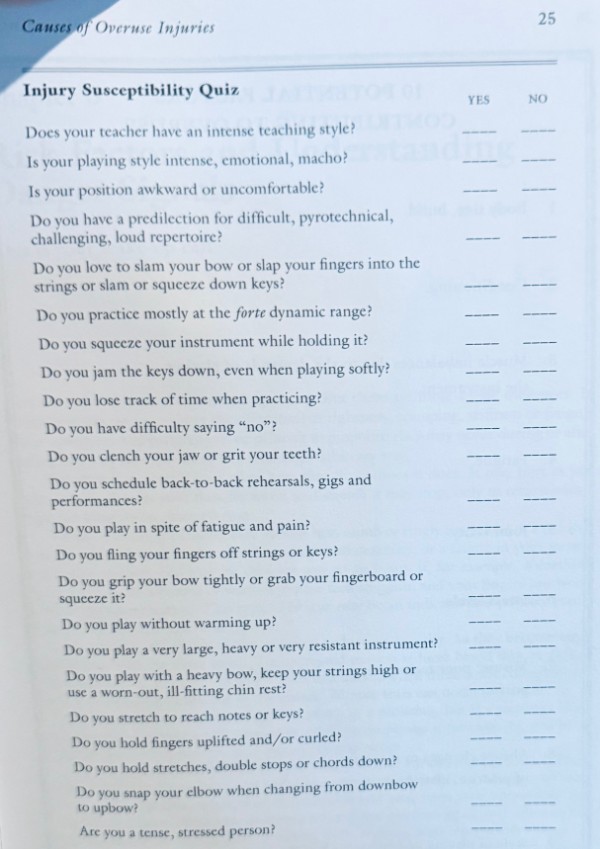
Injury Susceptibility chart
Other factors can also contribute to being predisposed to injury:
- Your fitness and conditioning
- Your body size and build
- Your fatigue
- Your stress levels
- Your style of playing
- Your lifestyle choices
- Your misuse i.e. poor technique or poor habits
- Poor equipment or setup
Danger signals include feeling pain, but they can be more subtle than that. These signs can include:
- Pain and /or burning sensation
- Fatigue or heaviness in limbs
- Weakness
- Impaired dexterity, loss of coordination, even without pain
- Numbness or tingling
- Clumsiness or stiffness
- Involuntary movement
- Difficulty with normal daily activities
Do not ignore pain. Discomfort may begin at one site only and only while playing, but can worsen to the point that the pain occurs away from the instrument, and the pain occurs anytime you engage the affected body part, then all the time. It’s important to note that many injuries manifest themselves with similar symptoms and sometimes we will feel referred pain also called reflective pain, that is pain perceived at a location other than the site of the painful stimulus.
The earlier one seeks help, and the symptoms are recognised and treated, the sooner and more completely recovery can occur. It’s essential to allow the injured muscles, tendons, soft tissue or nerves to heal completely, and that takes patience and sufficient time.
Finally, it’s vital that you return to playing after injury gradually. We tend to forget that playing is an athletic endeavour and that even though we use smaller and less obvious muscle groups, like athletes, we need to get in shape. Reentry takes planning.
After you’ve completed your physical therapy schedule, start with one 15-minute session at your instrument. Continue this for several days. Increase the number of sessions per day spaced hours apart, before increasing the length of time of your sessions. Once you have taken a few weeks to carefully build up to playing 30 minutes, making sure to take a 5-minute break within that session, and when you are able to play longer, take a 10-minute break within a 50-minute session. Always warm up before any playing and err on the side of caution. Even when we go very slowly, setbacks can occur. In that case, take a day off and pull back to less time at the instrument.
Know that you are not alone. With persistence and patience, many of us have returned to a full life of playing again after an injury. An injury can be a good thing, as it can help us realise what our limits are, help us facilitate playing with more ease, and help us improve how we express ourselves. We wish Hilary and everyone a safe return to playing.
Mark-Anthony Turnage: Hilary’s Hoedown (Hilary Hahn, violin; Cory Smythe, piano)
Further resources:
Performing Arts Medicine Association (PAMA)
*From Playing (Less) Hurt – An Injury Prevention Guide for Musicians
Hilary Hahn Cancels Performances Through November Due to Injury
Hilary Hahn cancels three Berlin Philharmonic dates in December
Sheku Kanneh-Mason announces cancellation of concerts, due to injury
‘It’s like finding myself again’: Julian Lloyd Webber picks up his cello after 10 years
For more of the best in classical music, sign up for our E-Newsletter