Franz Liszt, the 19th-century Hungarian composer and virtuoso pianist, is celebrated for his dazzling piano compositions, which combine technical brilliance, emotional depth, and innovative forms. His works have ever since captivated audiences with their virtuosic demands and expressive range.
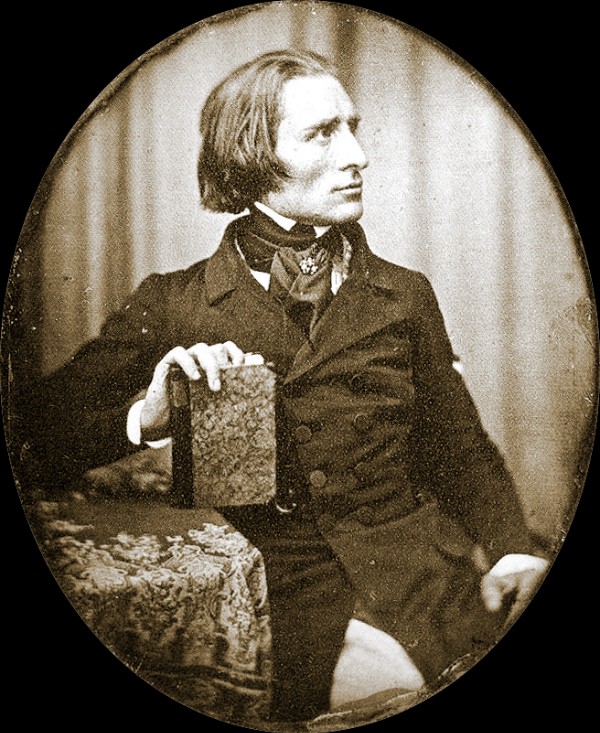
Franz Liszt
For those enamoured with Liszt’s music, the performances of contemporary pianist Lang Lang, born in 1982 in Shenyang, China, offer a vibrant and compelling interpretation. Lang Lang’s flamboyant style, technical prowess, and charismatic stage presence make him a natural fit for Liszt’s repertoire, appealing to fans who admire the composer’s showmanship and emotional intensity.
Lang Lang plays Liszt: “La Campanella”
Virtuoso Visionary
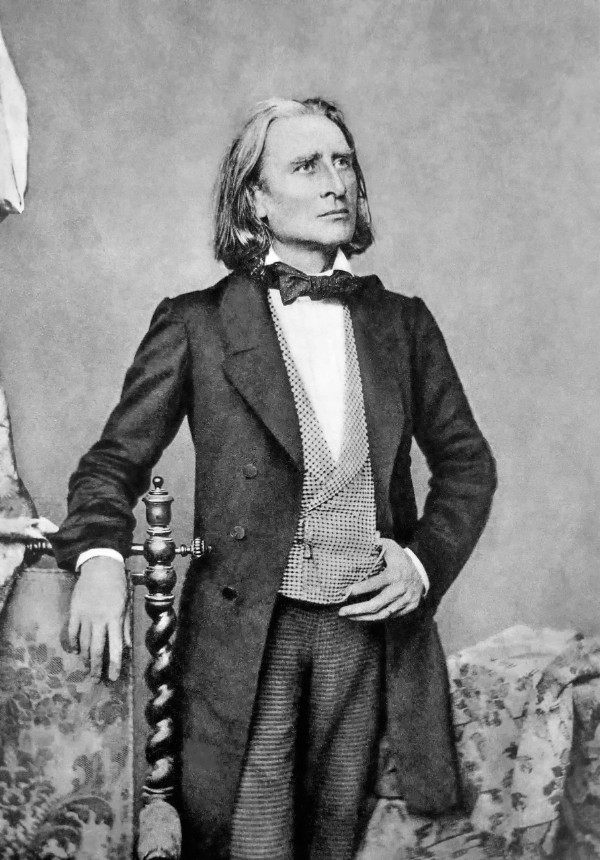
Franz Liszt
Franz Liszt (1811–1886) was a central figure of the Romantic era, known as much for his revolutionary compositions as for his electrifying performances. Often dubbed the “Paganini of the piano,” Liszt redefined what was possible on the instrument, pushing technical boundaries to the limit.
His music is characterised by its extreme virtuosity, requiring rapid finger work, massive chords, and dynamic contrasts. Yet, Liszt’s compositions are not merely displays of technical skill; they are also deeply expressive, often inspired by literature, nature, or nationalistic themes.
His recitals, which often included his own transcriptions of operas and symphonies, were theatrical events that captivated audiences across Europe. This showmanship, combined with his ability to convey profound emotion, made him a rock star of his time. His personal charisma, innovative harmonies, and programmatic approach appeal to listeners who value both spectacle and substance.
Lang Lang plays Liszt: Réminiscences du Don Juan de Mozart
Theatrical Brilliance
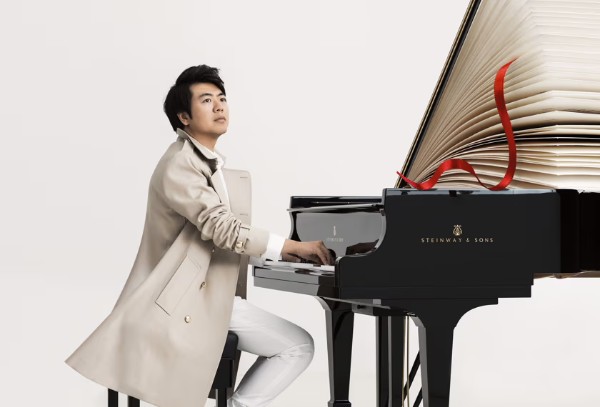
Lang Lang
Lang Lang is one of the most recognisable pianists of the 21st century, known for his prodigious talent, exuberant stage presence, and global appeal. Rising to fame as a teenager, he has brought classical music to diverse audiences through high-profile events like the 2008 Beijing Olympics opening ceremony.
Lang Lang’s 2011 album “Liszt: My Piano Hero,” released to mark the composer’s 200th birthday, showcases his affinity for the composer. Lang Lang’s playing is defined by its technical brilliance, emotional intensity, and theatrical flair, qualities that align closely with Liszt’s own performance style.
His ability to navigate Liszt’s most demanding passages, combined with his expressive gestures and dynamic stage presence, makes him a natural interpreter of Liszt’s music. For fans of Liszt, Lang Lang’s performances offer a thrilling blend of virtuosity and showmanship that echoes the composer’s own concerts.
Lang Lang plays Liszt: Hungarian Rhapsody No. 2
Showmen of the Piano
One of the most immediate connections between Liszt and Lang Lang is their shared emphasis on virtuosity. Liszt’s compositions often push the pianist to the limits of technical ability, with rapid octave passages, intricate arpeggios, and dramatic leaps. Lang Lang’s technical facility allows him to tackle these challenges with ease, delivering performances that are both precise and exhilarating.
Beyond technique, both Liszt and Lang Lang share a flair for showmanship. Liszt was known for his dramatic gestures, expressive facial expressions, and ability to captivate audiences, often leaving them in a frenzy. Similarly, Lang Lang’s performances are theatrical, with animated movements and a charismatic stage presence that draw listeners into the music.
While virtuosity and showmanship are central to Liszt’s appeal, his music also possesses profound emotional depth. A good many works are imbued with lyrical beauty and introspective melancholy, reflecting Liszt’s romantic sensibilities. Lang Lang’s ability to balance virtuosic display with emotional nuance makes him an ideal interpreter for these works.
Lang Lang plays Liszt: Liebestraum No. 3
Storytellers of Sound
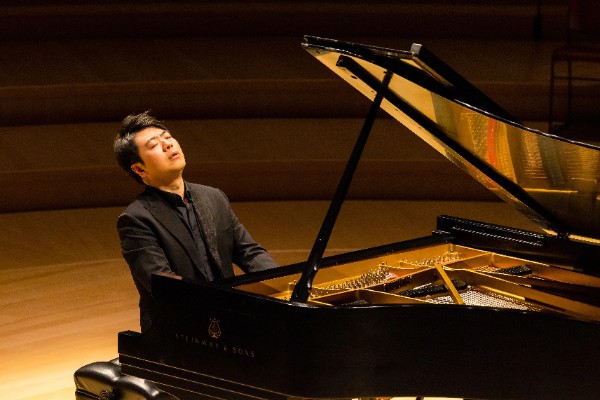
Lang Lang
Lang Lang’s performances also highlight Liszt’s programmatic elements. His vivid imagination and dynamic control bring these images to life, creating a narrative quality that resonates with Liszt’s intent. His ability to shift seamlessly between delicate lyricism and thunderous intensity mirrors Liszt’s own compositional contrasts, appealing to listeners who value the storytelling aspect of his music.
Lang Lang’s innovative approach to music-making echoes Liszt’s own pioneering spirit. Liszt was a trailblazer, inventing the solo piano recital and composing groundbreaking works. Lang Lang, through his global outreach and efforts to make classical music accessible, via initiatives like his Lang Lang International Music Foundation, continues this tradition of innovation. His performances, often accompanied by multimedia elements or collaborations with non-classical artists, reflect a Liszt-like desire to expand the reach of classical music.
Lang Lang plays Liszt: “Un Sospiro”
Romantic Resonance
While Lang Lang’s style is a natural fit for Liszt, some critics argue that his exuberance can overshadow musical subtlety. However, Lang Lang’s ability to connect with audiences, particularly younger listeners, aligns with Liszt’s own mission to captivate and inspire.
For those who love Franz Liszt’s music, Lang Lang offers a dynamic and compelling interpretive voice. His virtuosic technique, theatrical showmanship, and emotional expressiveness mirror Liszt’s own qualities as a composer and performer. Lang Lang brings Liszt’s music to life with a modern flair that honours the composer’s legacy.
His cultural resonance and innovative spirit further enhance his appeal, making him a pianist who captures the essence of Liszt’s Romantic vision. For Liszt enthusiasts, Lang Lang’s performances are a thrilling bridge between the 19th century and today, offering a vibrant celebration of the composer’s genius.
For more of the best in classical music, sign up for our E-Newsletter