Joseph Haydn, often hailed as the “Father of the Symphony” and the “Father of the String Quartet,” is a towering figure in the history of Western classical music. His wit, structural ingenuity, and expressive depth have captivated audiences for centuries.
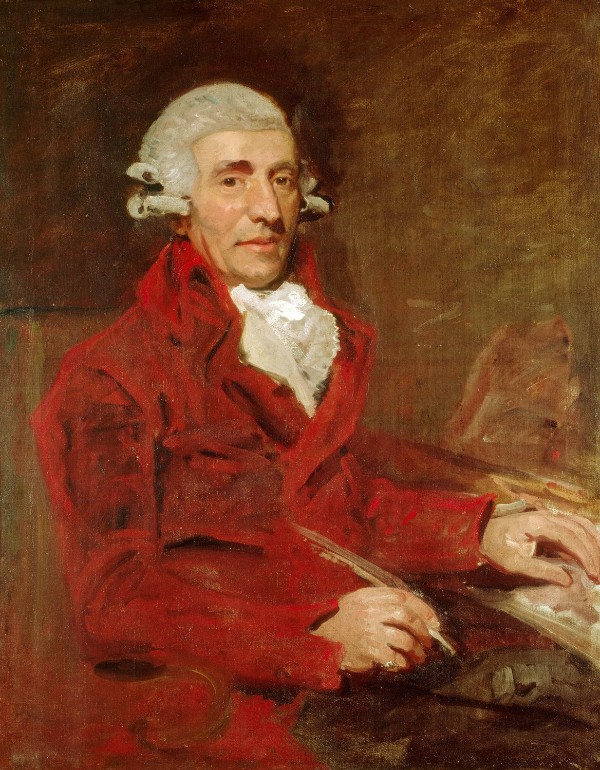
John Hoppner: Franz Joseph Haydn
For those who find themselves drawn to Haydn’s music, specifically to his works for piano, the performances and recordings by Alfred Brendel offer a compelling complement to Haydn’s compositional genius.
Alfred Brendel plays Joseph Haydn: Piano Sonata No. 59 in E-flat Major
Classical Balance and Expressive Touch
Born in 1732, Franz Joseph Haydn was a pivotal figure in the transition from the Baroque to the Classical era. His compositions are characterised by their formal innovation, playful humour, and emotional range.
His piano sonatas, though less frequently performed than those of Mozart or Beethoven, are miniature gems of invention, blending elegance with expressive depth. Haydn’s music appeals to listeners who value balance and proportion but also appreciate surprises and individuality.
His ability to combine intellectual rigour with accessibility, crafting works that are both sophisticated and approachable, makes his music endlessly rewarding. For those who cherish these qualities, Alfred Brendel’s performances and interpretations offer a natural extension of this aesthetic, particularly in his approach to Haydn’s piano works.
Franz Joseph Haydn: Piano Concerto in D Major, Hob.XVIII:11 (Alfred Brendel, piano; Vienna Chamber Orchestra; Paul Angerer, cond.)
Artistry and Insight
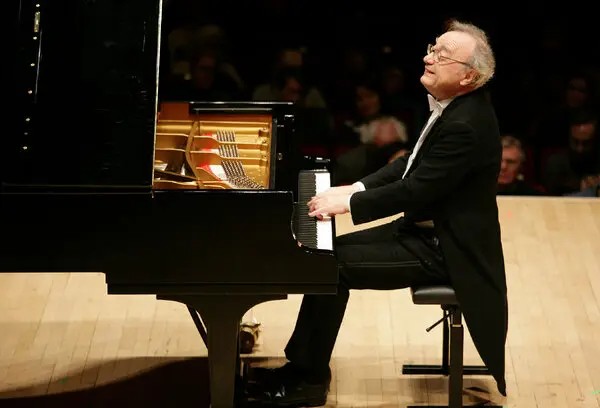
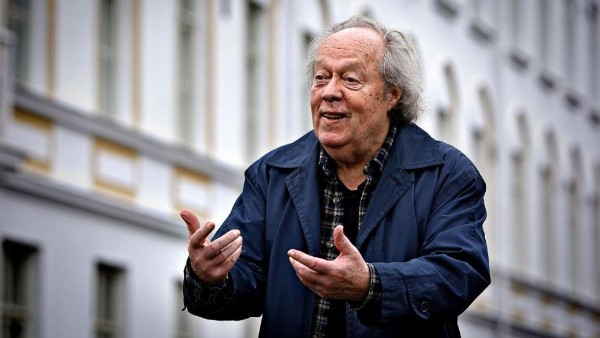
Alfred Brendel
Alfred Brendel, born in 1931, is widely regarded as one of the most thoughtful and intellectual pianists of the 20th and early 21st centuries. His career, spanning over six decades, is marked by a deep commitment to the music of the Viennese Classical composers.
Brendel’s playing is distinguished by its clarity, precision, and profound musical insight, qualities that align closely with the characteristics of Haydn’s compositions. Beyond his performances, Brendel is also a prolific writer and lecturer, offering erudite reflections on music that reveal his analytical mind and deep appreciation for structure and expression.
For Haydn enthusiasts, Brendel’s recordings of Haydn’s piano sonatas and concertos are a revelation. His interpretations capture the wit, elegance, and structural lucidity that define Haydn’s style, while also bringing out the music’s emotional subtleties.
Franz Joseph Haydn: Keyboard Sonata No. 33 in C Minor, Hob.XVI:20 (Alfred Brendel, piano)
Transparent Genius and Shared Artistry
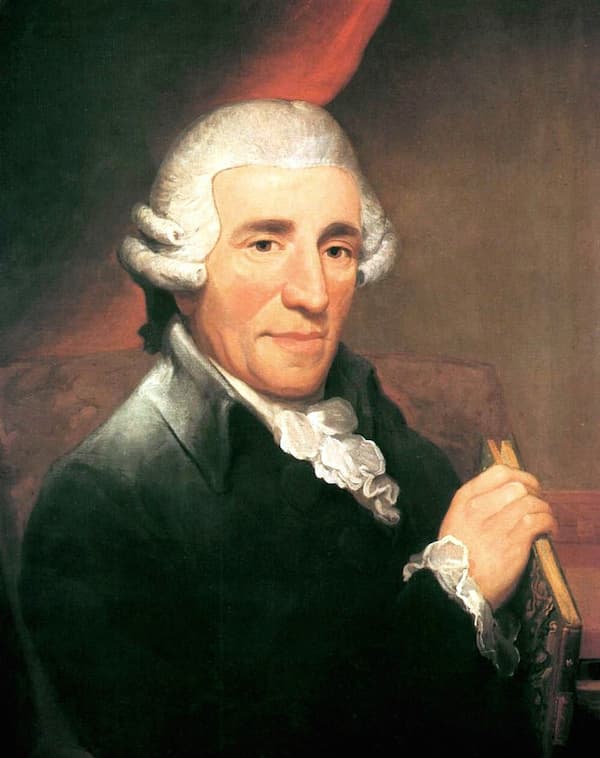
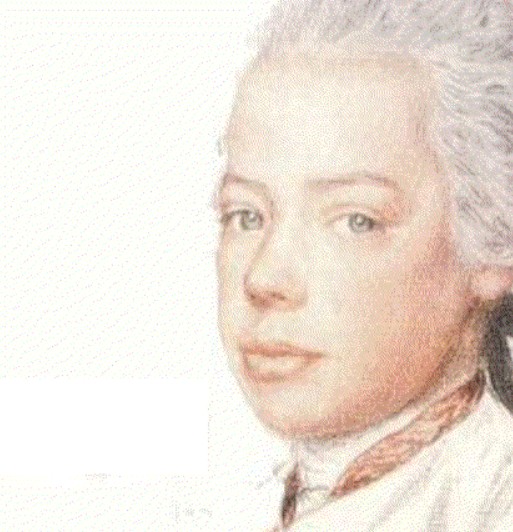
Thomas Hardy: Franz Joseph Haydn, ca. 1791 (London: Royal College of Music Museum of Instruments)
One of the most striking parallels between Haydn’s compositions and Brendel’s performances is their shared emphasis on clarity and structural insight. Haydn’s music is renowned for its transparent textures and logical forms. He had a remarkable ability to make complex musical ideas feel effortless and accessible.
Brendel’s playing embodies this same clarity. His performances are marked by an almost crystalline articulation, where every note and phrase serves the larger architecture of the piece. While he does highlight the music’s formal structure, he infuses it with a sense of spontaneity.
His attention to detail, whether in the crisp execution of Haydn’s staccato passages or the delicate shaping of a lyrical melody, mirrors Haydn’s own compositional precision. For listeners who appreciate Haydn’s ability to make intricate structures feel natural, Brendel’s interpretations offer a similar sense of transparency and coherence.
Franz Joseph Haydn: Fantasia (Capriccio) in C Major, Hob.XVII:4 (Alfred Brendel, piano)
Balancing Humour and Heart
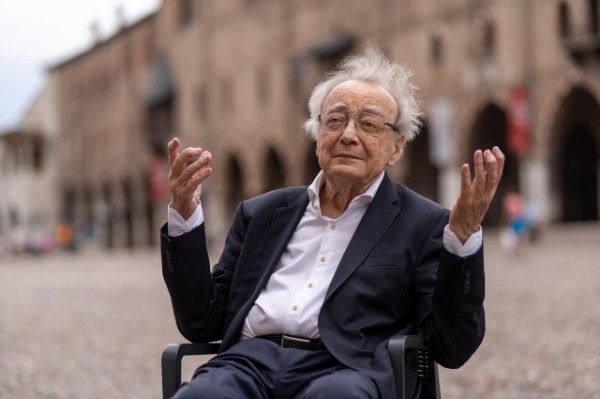
Alfred Brendel
Haydn’s music is often described as witty, with moments of musical humour that range from subtle to overt. This sense of humour requires performers who can convey the music’s light-heartedness without exaggerating or undermining its sophistication.
Brendel’s performances are ideally suited to this aspect of Haydn’s music. He has a knack for bringing out the playful elements of a score while maintaining its elegance. In Haydn’s piano sonatas, Brendel’s subtle rubato and dynamic contrasts highlight the music’s surprises, making them feel organic rather than contrived.
While Haydn’s music is often celebrated for its wit and clarity, it also possesses a profound emotional depth that is sometimes overlooked. However, Brendel’s performances are famous for conveying emotional nuances, as his interpretations of Haydn’s slower movements are marked by a lyrical sensitivity that brings out the music’s warmth and humanity.
Franz Joseph Haydn: Keyboard Sonata No. 53 in E Minor, Hob.XVI:34 (Alfred Brendel, piano)
Performances and Reflections
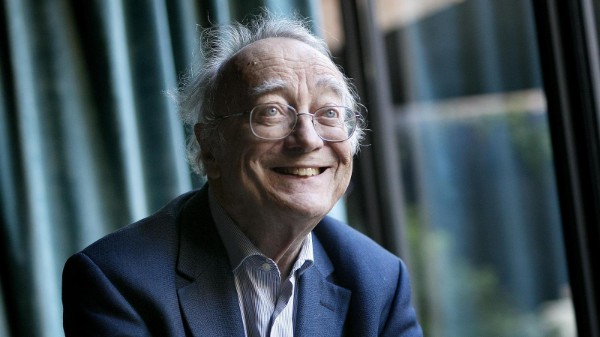
Alfred Brendel
Beyond his performances, Brendel’s writings and lectures offer Haydn enthusiasts a deeper understanding of the composer’s music. In celebrated essays, Brendel explores the nuances of Classical music with a scholar’s insight and a performer’s passion.
His discussions of Haydn emphasise the composer’s wit, structural innovation, and emotional range, providing listeners with a framework to appreciate the music on a deeper level. For Haydn fans, Brendel’s intellectual engagement with the music can enhance their listening experience, offering new perspectives on familiar works.
For those who are captivated by Joseph Haydn’s music, Alfred Brendel offers a perfect complement. His performances of Haydn’s piano sonatas and concertos capture the essence of the composer’s style, and the showcased clarity, humour and emotional nuance make him an ideal interpreter of Haydn’s music. Exploring Brendel’s recordings and writings is not just a natural next step but a journey into the heart of the Classical tradition, where intellect and emotion intertwine in perfect harmony.
For more of the best in classical music, sign up for our E-Newsletter
Franz Joseph Haydn: Keyboard Sonata No. 62 in E-Flat Major, Hob.XVI:52 (Alfred Brendel, piano)