The 12 months of the calendar year are a fascinating inspiration for composers. Every month is different, and the developing characters of the changing seasons provide a springboard for so many musical ideas.

Judith Lang Zaimont
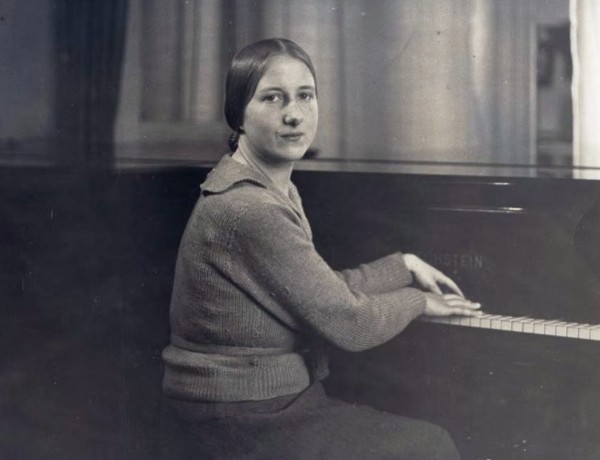
American composer Judith Lang Zaimont (b. 1945) created A Calendar Set between 1972 and 1978, writing 12 little preludes during their named month. Although she wrote the set for her own amusement, it was a prize winner in the Jabez Press Composition Invitational Competition in 2005, and publication followed.
January is austere and cold. Its frigid nature and hard-struck chords are the ice and blowing snow outside the window.
Judith Lang Zaimont: A Calendar Set – I. January (Christopher Atzinger, piano)
February, on the other hand, is an exploration of the mystical. The light is changing, and the outdoors seems to hide stories in its blue shadows.
Judith Lang Zaimont: A Calendar Set – II. February (Christopher Atzinger, piano)
March gives us a change in feeling – there’s a more positive outlook, and we’re not slipping and sliding but are finally able to march around the neighbourhood seeing the changes that have happened while we’ve been stuck inside, looking out.
Judith Lang Zaimont: A Calendar Set – III. March (Christopher Atzinger, piano)
April is the peeking out of flowers, the emergence of nature from its covering of snow, and the ceaseless dripping of the ice into water. The colours swirl but are still on the chilly side.
Judith Lang Zaimont: A Calendar Set – IV. April (Christopher Atzinger, piano)
May is happiness and colour – the flowers dip and bow to the movement of the wind, the grass welcomes us again to sit and watch the world go by.
Judith Lang Zaimont: A Calendar Set – V. May (Christopher Atzinger, piano)
June is quiet and reflective. It’s warm, and all around us, the world has come to life. The flowers have settled down, the bushes are green, and all is well with the world.
Judith Lang Zaimont: A Calendar Set – VI. June (Christopher Atzinger, piano)
July sees more action. The excitement of the fireworks of the 4th of July sets the tone for the month: even the smallest thing seems to be filled with sound. Note her inclusion of The Stars and Stripes Forever, Yankee Doodle and other national songs, which reinforces the joyful nature of the month.
Judith Lang Zaimont: A Calendar Set – VII. July (Christopher Atzinger, piano)
August is the time for heat, for slow-moving, for sitting out and watching the world go slowly by. Even if we’ve gone on holiday, it’s a time for sitting and resting. Either resting from the work of the year or resting up for the months to come. Just don’t move. Have a cooling drink.
Judith Lang Zaimont: A Calendar Set – VIII. August, “Pastoral” (Christopher Atzinger, piano)
The cooler days of September start us on a new track. It’s a time for starting new things, exploring all that’s changed while we were distracted in August, and making resolutions for the new season. The winds of change are about!
Judith Lang Zaimont: A Calendar Set – IX. September (Christopher Atzinger, piano)
In October, autumn starts to change the world around us – leaves go from green to colour, the grass hides under a covering of more leaves, and there’s a slight chill in the air. All is in motion, all is changing – but almost invisibly. You don’t see the leaves change, but then, all of a sudden, all the green is gone.
Judith Lang Zaimont: A Calendar Set – X. October (Christopher Atzinger, piano)
November is when the shadows grow again. The darkness starts to descend, and we retreat again into our cocoons. Or our houses. Or our solitude.
Judith Lang Zaimont: A Calendar Set – XI. November (Christopher Atzinger, piano)
December is a time for looking back and looking forward. The year is ending, so we look back on all we’ve done (or left undone) and, at the same time, we look ahead to what the new year will bring. The weather is cold, but inside we’re warm with our thoughts. Just as she did in July, Zaimont hides Christmas goodies in her piece.
Judith Lang Zaimont: A Calendar Set – XII. December (Christopher Atzinger, piano)
Since it was written as a personal composition, the work is far more introspective than other composers’ works on the 12-month model, such as Tchaikovsky’s The Seasons. The ending movement, December, is a perfection of a closer.
For more of the best in classical music, sign up for our E-Newsletter