Inspirations Behind Simon Holt’s a book of colours – No. 1. duendecitos
The three grotesques are at their meal, cups and bread ready. But these are Goya’s vision of the clergy of his day: rapacious and demanding, full of false sanctimony, and hiding their true nature.
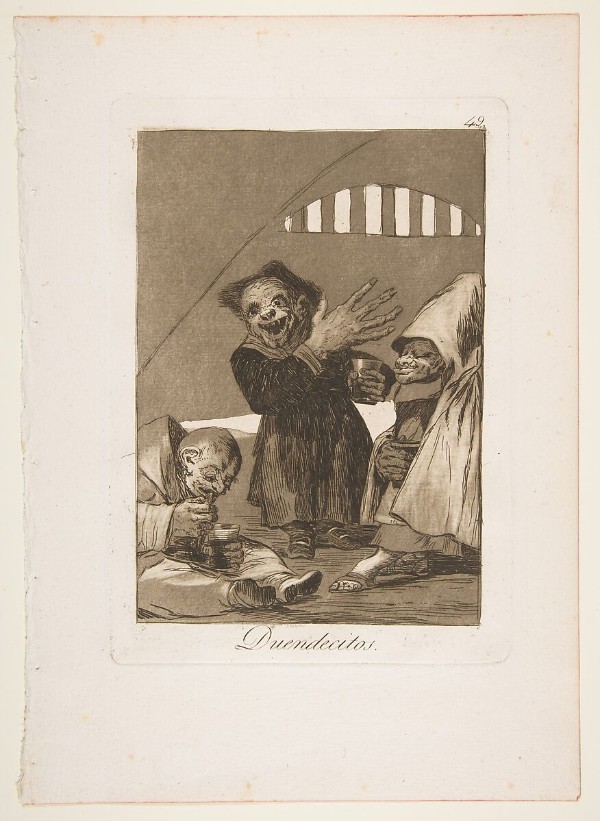
Goya: Los Caprichos: Plate 49: Duendecitos (Hobgoblins) (Metropolitan Museum of Art)
The central figure, in his square scholar’s cap, has sharp teeth and an enlarged left hand for grasping as much as possible. He holds his drink to the side to better grab what you have.
The friar on the left, covered in his cowled cloak and wearing sandals, closes his eyes and covers his wine glass to seem more holy. The friar on the right, sitting on the floor, dips his bread into his wine and merrily feasts.
All three have their features distorted: the enlarged hands, the pig-like noses, the enlarged lips, and the miniature bodies. Goya was trying to show the non-human side of religion, the side that preyed on believers to their own self-improvement.
Los Caprichos were part of a collection of 80 etchings created by Spanish artist Francisco Goya (1746–1828) in 1798. Freed from the constraints of patronage, Goya was free to skewer the world at large. In image after image, the world is turned upside down, or inside out: donkeys teach music (although they only know the word BRAY), victims are portrayed as plucked chickens, masks hide the real character of a person, and twilight is the world everyone seems to live in. Women, following Goya’s own disappointment with the Duchess of Alba, are inconstant and use femininity as a lure, seducing without compromising their own hearts. The old matchmaker (or procuress) appears in the back of many encounters between men and women. The portrayal of the monstrous, even in the guise of the normal, reassures the viewers that these things really exist (or could be discerned by the knowledgeable).
The engravings went on sale on 6 February 1799 in a print run of 300 copies, sold in a perfumery in the same building where Goya lived.
His contemporaries recognised these as caricatures, and Goya always said that they were never intended to depict any one person. Those allusions were read into the images anyway, and, given the heightened political sensitivities of the time, Goya withdrew the entire series from sale after 2 weeks. Only 27 sets had been purchased and, in 1803, Goya gave all the plates and the remaining 240 copies to the king in exchange for a pension for his son.
A second edition was made between 1821 and 1836, printed by the National Collection (the Royal Calcography). The last set printed from Goya’s own plates was done during the Spanish Civil War, between 1936 and 1939, but the plates were significantly worn. It has been estimated that some 2,000 prints were made from the plates over time.
British composer Simon Holt (b. 1958) was commissioned by the BBC to write something as an 80th-birthday tribute to Sir William Glock, former Controller of BBC Music. Holt chose Duendecitos, emphasising the hobgoblin nature of the lecherous and drunken monks. He took the emphasised left hand of the central monk as the impetus to create a piece where the left hand is definitely the major feature.
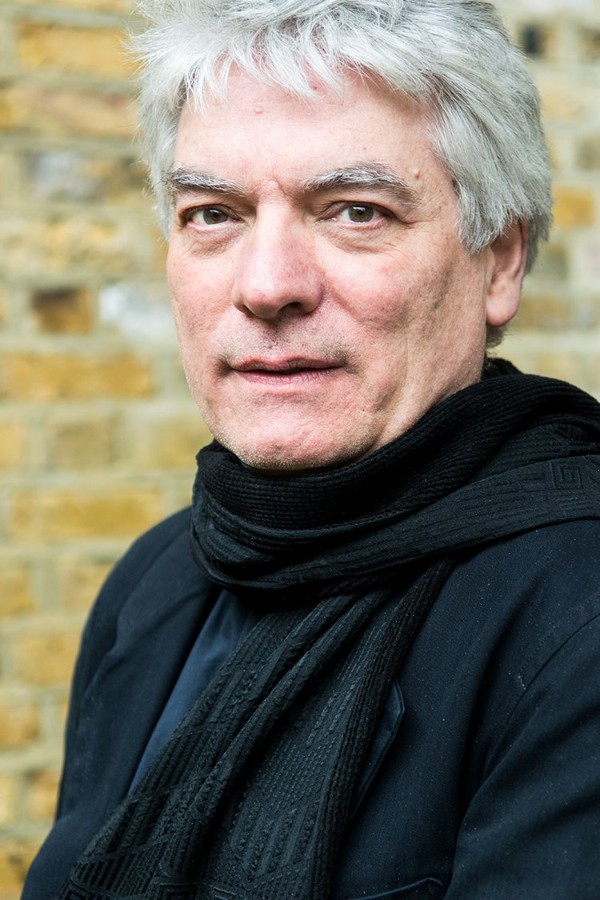
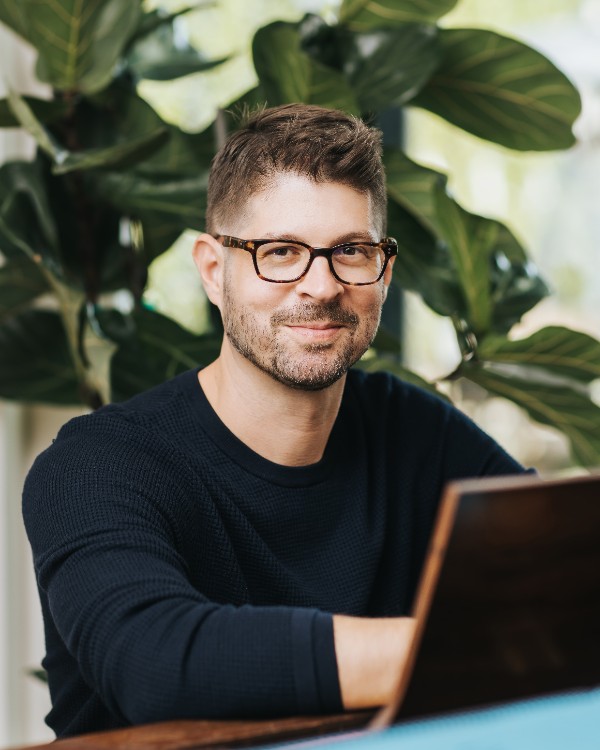
Simon Holt (photo by Sarah Hickson)
Simon Holt: a book of colours – No. 1. duendecitos (Rolf Hind, piano)
The rest of the pieces in a book of colours were written for different performers. No. 2, figurine, was written in 1991 for Stephen Pruslin, and he gave its premiere at Aldeburgh. Stephen Gutmann asked for No. 3, a shapeless flame, and No. 4, some distant chimes, both written in 1992. No. 3 is dedicated to the artist Gareth Davies and takes its title from the poem ‘Air and Angels’ by John Donne. The last piece in the set, No. 6, ‘the thing that makes ashes’, was written for Rolf Hind. The composer says, ‘It is a mixture of “violence and grace”, to use Debussy’s phrase, whereas the previous pieces are either one or the other’.
For more of the best in classical music, sign up for our E-Newsletter