
In my September Interlude article I focused on the close relationship between Bauhaus architecture, art and music. It is interesting to note, however, that the Bauhaus’ own teaching program consisted of studies in architecture, art and various crafts, whereas music
Architecture
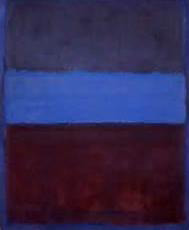
Many 20th century and contemporary artists claim not only to have been inspired by music, but make a very compelling case for a close connection between a particular kind of music and their art.
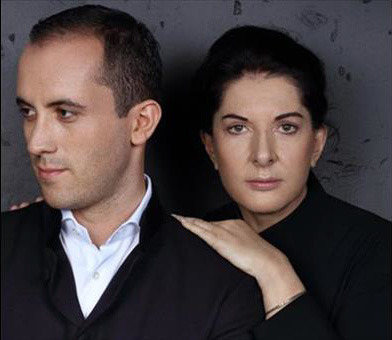
In December 2015 I attended the last performance of J.S. Bach’s Goldberg Variations played by the Russian/German pianist Igor Levit in the Drill Hall of New York’s City’s Park Avenue Armory — the setting arranged by the performance artist Marina
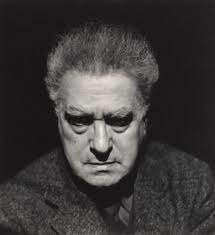
In 1958, the French composer Edgard Varèse, working with the architect Le Corbusier and his assistant, the Greek composer Iannis Xenakis, created a music soundscape for the Philips Electronics Pavilion at the 1958 World’s Fair in Brussels.
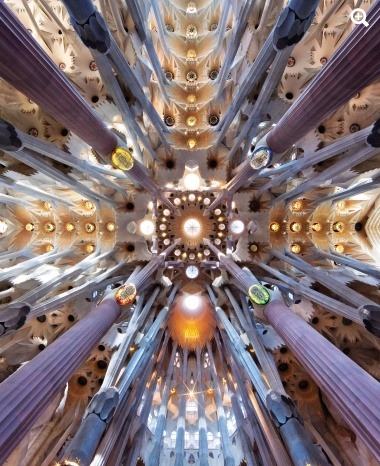
The unfinished church of “Sagrada Familia” in Barcelona is Antoni Gaudí’s exceptional creative contribution to the development of architecture in the late 19th and early 20th centuries. George Orwell called it “one of the most hideous buildings in the world!”
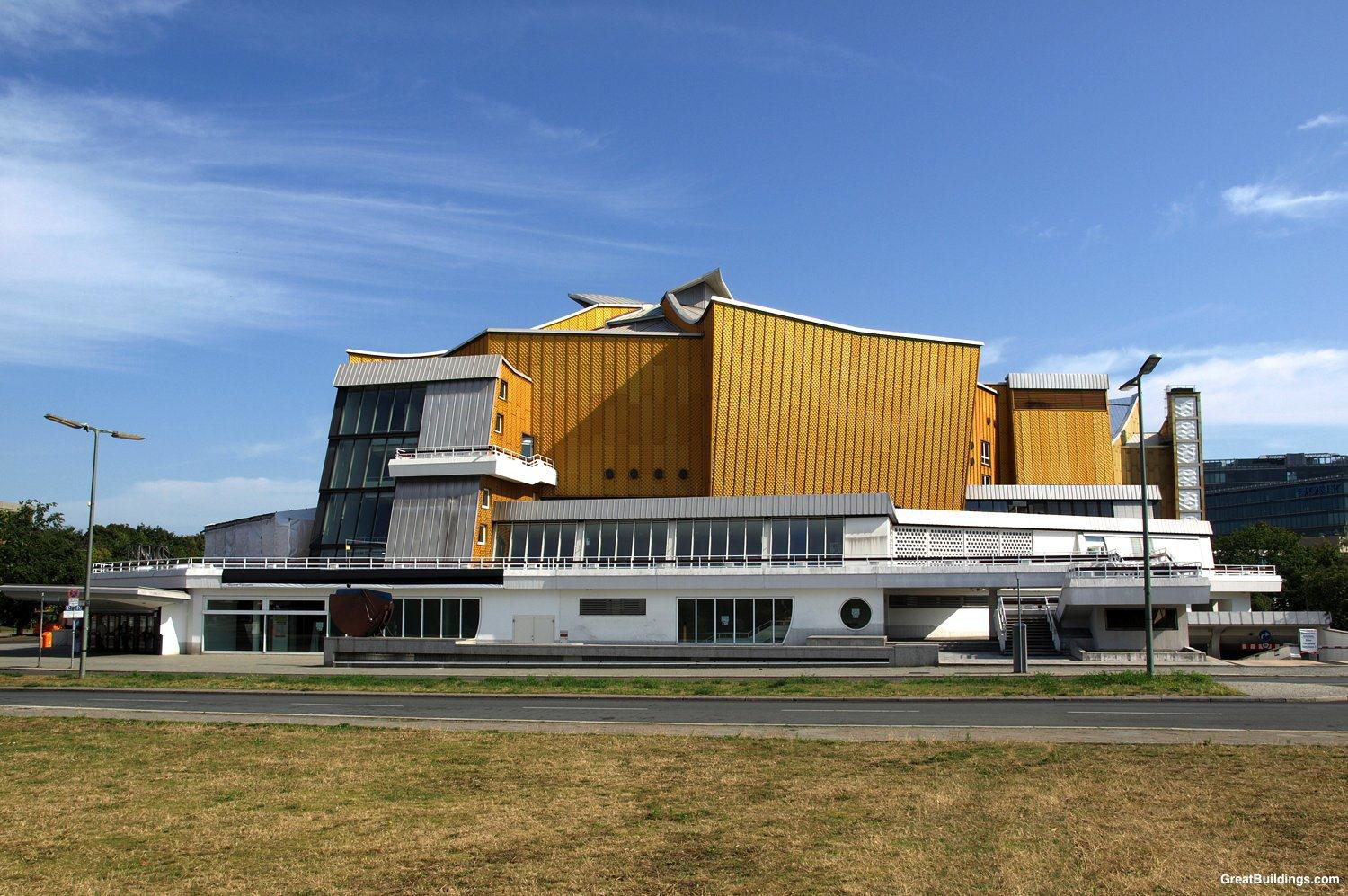
In a recent conversation on the 10th anniversary of the opening of the Walt Disney Concert Hall in Los Angeles, the architect Frank Gehry, the conductor and composer Esa-Pekka Salonen and the art critic Nicolai Ouroussoff discussed the concept of
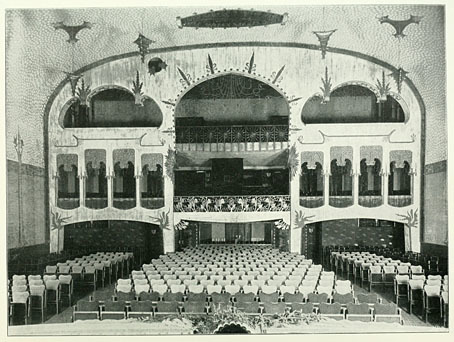
Believe it or not, the dictionaries and most prominent reference books of 1878 did not have a word to identify what we now think of as abstract art. The best anybody could do at the time was to compare paintings
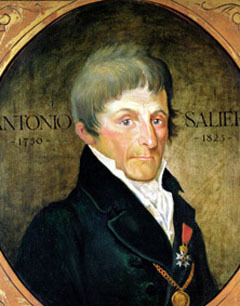
If you come to Vienna as a tourist, you’ll have to visit Schönbrunn Palace. It’s unlikely that you will see all 1,441 rooms—most of them lavishly decorated—but the complex will certainly give you a sense of the splendor and lifestyle