

Music is not only a form of artistic expression but also a powerful tool for mental well-being. Learning to play an instrument offers numerous psychological benefits, from reducing stress to enhancing cognitive function. Whether you’re a beginner or an experienced
Sciences




Music has the power to move us, inspire us, and even heal us. Among all musical genres, classical music holds a unique place in influencing our emotions and cognitive functions. But why does listening to composers like Mozart, Beethoven, or

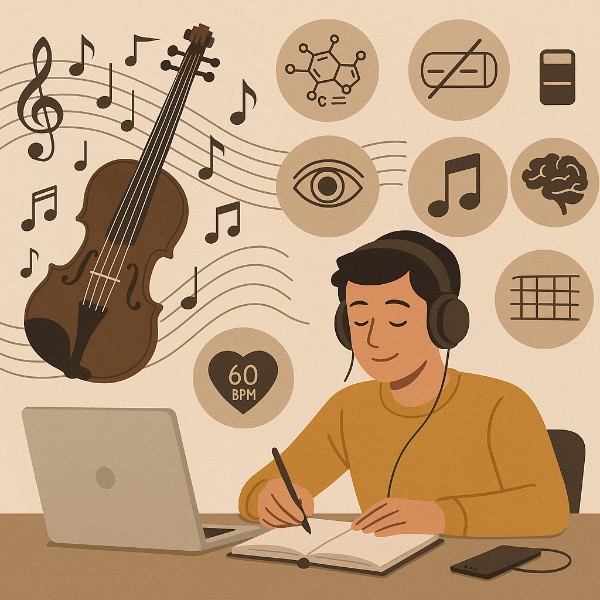
Many people, when they’re trying to focus or study, turn to music to help them concentrate. The right music selection can help you by boosting your mood, lowering your stress, and even improving your mental health. What genre is the

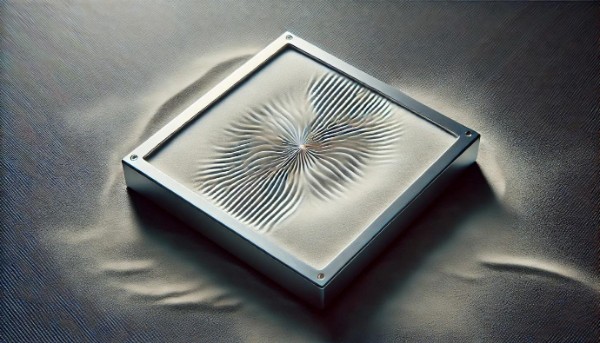
Music is often thought of as an art form that exists primarily through sound, but for deaf and hard-of-hearing individuals, music is not necessarily beyond reach. Instead of being heard in the traditional sense, music can be felt through vibrations,


Music has the power to influence emotions, energise the body, and calm the mind. In today’s fast-paced world, stress is an unavoidable part of life, but music can be a simple yet effective tool for relaxation and mental well-being. By


Every musician dreams of that perfect moment when everything just clicks—their fingers move effortlessly, the music flows naturally, and time seems to vanish. This state is known as flow, a psychological concept describing complete immersion in an activity. When musicians


Every musician, from beginners to seasoned professionals, has faced failure at some point. A missed note, a forgotten passage, or a complete mental block during a performance—these moments can be disheartening. However, failure is not the end of the road;


Music has long been recognized as a powerful tool for emotional expression and human connection. However, beyond its artistic value, music also has profound effects on mental health, reducing stress, alleviating anxiety, and even aiding in physical healing. From ancient